REVIEW · ISTANBUL
Istanbul Delights: A Journey Through Flavor and History
Book on Viator →Operated by Ultimate Istanbul Tours · Bookable on Viator
Istanbul is a city where one street can feel like a time machine. This tour strings together the top hits in a tight loop: Blue Mosque, Hagia Sophia, the Roman Hippodrome, and Basilica Cistern, then it ends in the shopping chaos of the Grand Bazaar. I especially like the “big monuments in one morning” structure and the fact that the day includes food stops, not just sightseeing. One heads-up: it’s a lot of walking and a couple sites can be restricted at prayer times or on Fridays.
What makes it work for real-life planning is the pace and clustering. You start at Basilica Cistern at 8:30 am, then move through the pedestrian zone where these landmarks sit close together, so you spend less time in transit and more time looking up. The guide is licensed and there’s a max of 10 people, which usually means more questions and fewer bottlenecks.
The other consideration is timing around closures. Hagia Sophia can close during prayer times, Blue Mosque is limited on Fridays until about 2 to 2:30 pm, and the Grand Bazaar has special closure days (including Sundays and major religious holidays).
In This Review
- Key highlights you’ll actually feel during the day
- How this Istanbul day tour earns its $200 price tag
- Starting at Basilica Cistern: why the route starts underground
- Blue Mosque: the tiles, the light, and the Friday rules
- Hippodrome monuments: spotting the Obelisk and Serpent Column
- Ayasofya (Hagia Sophia): the museum you’ll remember
- Basilica Cistern and Hagia Sophia in one day: what the pairing does
- Grand Bazaar time: where to go with 30 minutes (and not lose your mind)
- The food plan: kebab, desserts, traditional drinks, street snacks
- Walking tour reality: why close landmarks still require good shoes
- Small group feel: what a max of 10 changes
- When closures change your day (and how to handle it)
- Who should book this Istanbul Delights tour
- Should you book Istanbul Delights: A Journey Through Flavor and History?
- FAQ
- What time does the tour start, and where do I meet?
- Is this tour offered in English?
- How long is the tour?
- Does the price include admission fees and food?
- How large is the group?
- Is there pick-up or drop-off service?
- Will I be able to enter Hagia Sophia and the Blue Mosque every day?
- What days is the Grand Bazaar closed?
Key highlights you’ll actually feel during the day
- A tight route: historic sites clustered so you’re not stuck riding around the city.
- Indoor wow-factor early: Basilica Cistern sets the tone before the day heats up.
- Two Istanbul icons up close: Blue Mosque and Ayasofya/Hagia Sophia, with sights tailored to what’s open.
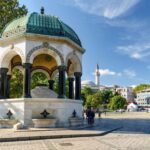
- Monuments you can point to: Obelisk of Theodosius, Serpent Column, and the German Fountain at the Hippodrome.
- Food included, not an afterthought: kebab, street food, desserts, and traditional drinks are built in.
- Small group size: maximum 10 travelers for a more manageable pace.
How this Istanbul day tour earns its $200 price tag
At $200 per person for a 6 to 7 hour outing, you’re paying for three things that matter in Istanbul: entry tickets, a guide who helps you see meaning (not just photos), and meals that keep the day from turning into a constant snack hunt.
All admission fees are included, plus you get kebab, local desserts, traditional drinks, and street food. That’s the kind of value that’s easy to miss when you’re comparing only ticket prices. You also get a mobile ticket and an English-speaking, licensed local guide.
The group size (max 10) is the quiet hero here. Big coach tours often turn monuments into conveyor belts. A smaller group makes it more realistic to get your bearings, ask questions, and take breaks without falling behind.
You can also read our reviews of more historical tours in Istanbul
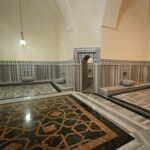
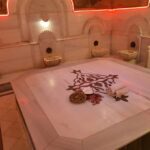
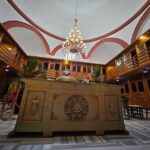
Starting at Basilica Cistern: why the route starts underground
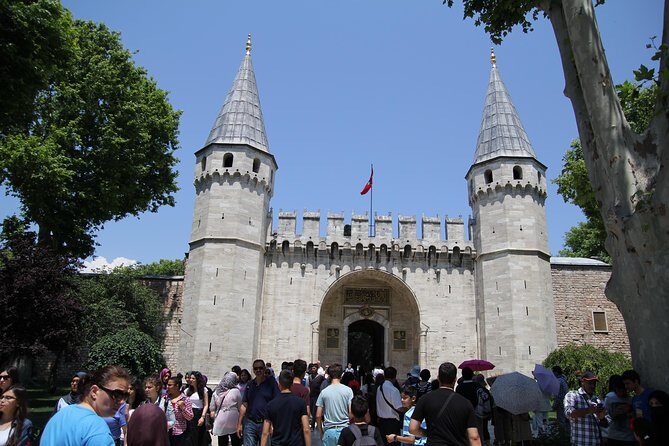
You begin at Basilica Cistern in Fatih, near Alemdar and Yerebatan Cd. 1/3 (the tour start is 8:30 am). Starting here is smart because you enter a different Istanbul mood right away: cool, dim, and built for lingering.
Basilica Cistern is a Byzantine underground water reservoir from the 6th century, associated with Emperor Justinian I. The effect is immediate when you step inside—marble columns rise from still water and the carved details (including Medusa heads) create that eerie, movie-scene feeling. It’s also a good place to reset your attention before you move back into daylight monuments.
The practical part: the visit is about an hour, so you’re not racing through it. Still, it’s dim and the walkways are set up for a slow stroll, so wear shoes with solid grip.
Blue Mosque: the tiles, the light, and the Friday rules
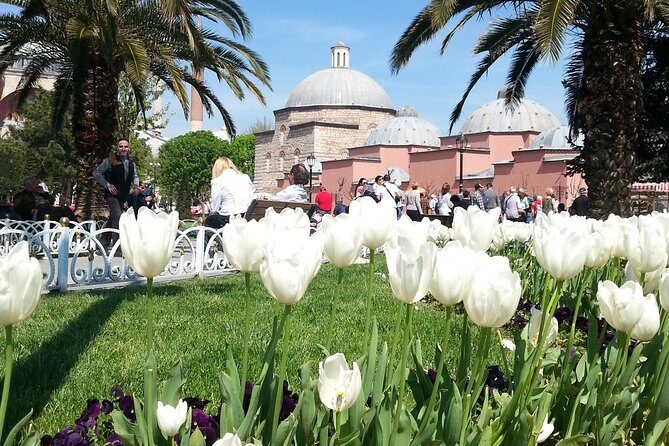
Next up is the Blue Mosque, officially the Sultan Ahmed Mosque. It’s famous for the blue İznik tiles inside, but the real payoff is the prayer hall: hand-painted tiling, stained glass, and calligraphy all tied together under a wide roof.
Plan for that “wow” moment when sunlight filters through the windows. The interior glow is part of why people keep coming back. If you’ve seen photos, you’ll notice they never quite capture the scale of the prayer hall and how the details stack on top of each other.
There’s also a timing reality you should respect. The mosque is closed on Fridays until about 2 to 2:30 pm due to the sermon, which means you may only get an outer visit on Fridays. And Hagia Sophia can close during prayer times, which affects what you can see later that day.
If you’re going on a Friday, treat this as a day with partial flexibility. You’ll still see the key exterior points, but your interior time may be reduced.
Hippodrome monuments: spotting the Obelisk and Serpent Column
The Roman Hippodrome stop is short—about 45 minutes—but it’s one of the best “quick wins” on the schedule. This was the chariot racing arena and public gathering space for Constantinople, the Eastern Roman capital. Today, it’s an open-air area where a few major monuments survive like time markers.
Here’s what you’ll want to look for (this is the fun part because you can actually point at them):
- Obelisk of Theodosius: an ancient Egyptian monument brought to Constantinople in the 4th century AD.
- Serpent Column: a bronze column topped with serpent heads.
- German Fountain: a gift from Kaiser Wilhelm II to Sultan Abdulhamid II in the late 19th century.
Because the time is limited, focus on the big shapes and the names you learn from your guide. The Hippodrome is one of those places where context turns random rubble into a story of power, spectacle, and public life.
Ayasofya (Hagia Sophia): the museum you’ll remember
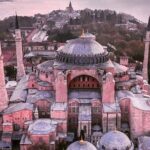
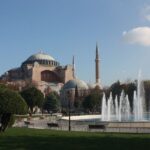
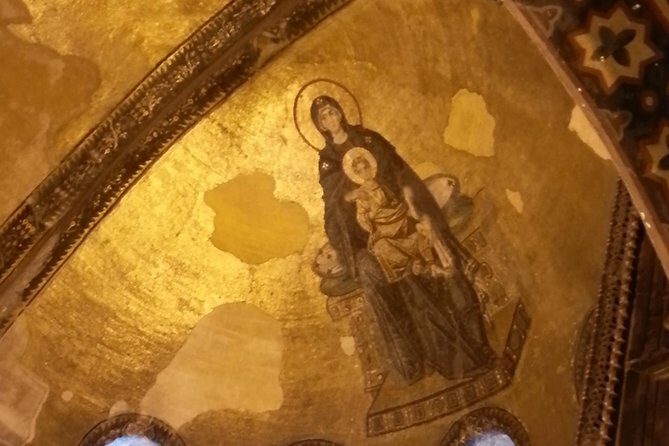
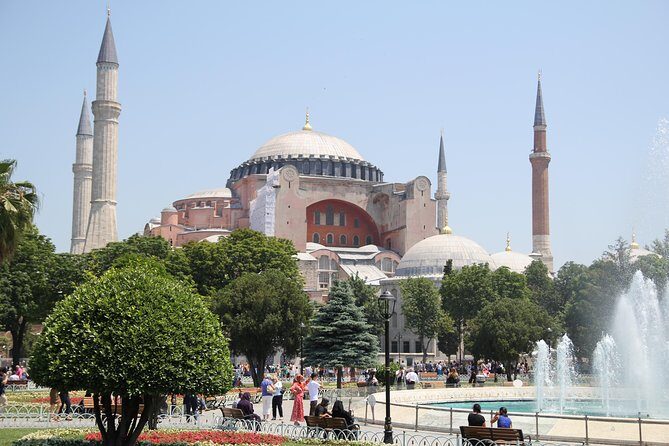
Then you move to Ayasofya, commonly known as Hagia Sophia, a UNESCO World Heritage Site. It originally served as a Christian cathedral in the 6th century, later became a mosque, and now functions as a museum—so you’re not looking at one single layer of Istanbul, but several stacked together.
Your stop here is about one hour, and admission is included. The highlights are the mosaics, calligraphy, and the domes—big enough to make you slow down even if you’re trying not to.
One big logistical note: Hagia Sophia Mosque can be closed during prayer times. If that happens, your access can be limited. It’s worth keeping your expectations flexible and letting the guide steer you to what’s available when you arrive.




Basilica Cistern and Hagia Sophia in one day: what the pairing does
You get two “different worlds” back-to-back: an underground reservoir and a monumental dome space. That pairing works because it keeps the day from being one long museum sprint.
Basilica Cistern teaches you what Byzantine engineering looks like when it’s practical and symbolic. Then Hagia Sophia hits you with the cathedral-to-mosque-to-museum arc, where art and architecture carry centuries of change. The contrast helps you remember details later, even if you forget names in the moment.
If you’re the type who likes understanding before shopping or selfies, this is a good rhythm.
Grand Bazaar time: where to go with 30 minutes (and not lose your mind)
The tour ends at the Grand Bazaar, in Beyazıt area. Your time there is about 30 minutes, and admission is free. Expect a covered maze of more than 4,000 shops, with textiles, ceramics, jewelry, and spices stacked into narrow lanes.
Thirty minutes is not enough time to browse everything. But it’s just enough time to do two things well:
1) learn how the bazaar is organized (so future visits feel easier), and
2) pick up one or two things that feel personal, like a spice mix or a small ceramic you can actually carry home.
Also, this tour has a Sunday twist: Grand Bazaar is closed on Sundays, and the tour ends at the Spice Market instead. So if you’re traveling on a Sunday, don’t panic about the schedule—plan for a different shopping zone at the end of the day.
If you’re sensitive to crowds, keep your pace steady and don’t let the loudest shop pull you off course.
The food plan: kebab, desserts, traditional drinks, street snacks
This is not a sightseeing day where you buy everything yourself. The included meal style is very Istanbul: kebab, plus local desserts, traditional drinks, and street food.
In practical terms, that matters because Istanbul’s best historic sites don’t always come with convenient sit-down restaurants nearby. By building food into the schedule, you’re less likely to waste time searching for something that fits your budget, your schedule, and your hunger level.
The tour runs 6 to 7 hours, so the included eating breaks help you stay present. Instead of rushing from monument to monument, you can enjoy the fact that your day is set up like a plan, not a collection of loose stops.
Walking tour reality: why close landmarks still require good shoes
This is a walking tour because the highlights sit close in a large pedestrian square. There’s no driving between sites in a car, which is exactly why you should plan your feet accordingly.
Near public transportation, but no pick-up or drop-off service for this small group tour. You’re expected to be at the meeting point by 8:30 am. That means you should factor in morning transit time (and allow a buffer if you’re using the tram/metro and walking the final stretch).
If you want to enjoy the details—tiles, calligraphy, column carvings—walking slowly beats rushing. Come prepared with comfortable, supportive shoes and a light layer for the early morning.
Small group feel: what a max of 10 changes
When a tour caps at 10 people, the guide can manage flow in a way that larger groups can’t. You get a better chance to hear explanations clearly, ask questions, and regroup at the right times.
One guide name that stands out from a past experience is Perihan—praised for making the day fun, light, and story-focused, with a pace that doesn’t feel cramped. If your group gets her, you’ll likely benefit from extra context that connects the monuments instead of treating each stop like a separate postcard.
Even if you don’t get the same guide, the key is the format: small-group, licensed local guidance, and a loop that’s designed to reduce wasted time.
When closures change your day (and how to handle it)
Istanbul’s famous sights come with a few predictable access constraints, and this itinerary is upfront about them:
- Blue Mosque: closed on Fridays until about 2 to 2:30 pm for the sermon, so you may have an outer visit only on Fridays.
- Hagia Sophia: can be closed during prayer times, so access can shift based on the moment you arrive.
- Grand Bazaar/Spice Market: Grand Bazaar is closed on Sundays; it can also close during major religious holidays like Ramadan and Eid al Adha, plus Republic Day (October 29).
- Religious Fest of Ramadan and Eid dates: the schedule lists specific dates for 2025, so check your calendar before you lock anything in.
Your best move: treat the schedule as a framework, not a promise of exact minutes inside every building. A good guide will adjust within what’s open and still help you get the meaning of each stop.
Who should book this Istanbul Delights tour
This tour is a strong fit if you:
- want the big icons of Istanbul in one focused day,
- like architecture and monuments with clear explanations,
- appreciate included food (kebab, desserts, street snacks) to keep the day easy,
- prefer a smaller group instead of a crowd stampede.
It’s also a good choice for a first visit to Istanbul when you want to learn the city’s story quickly. If you already know Istanbul well and want deep, slow museum time, you might prefer a more flexible day on your own.
Should you book Istanbul Delights: A Journey Through Flavor and History?
I’d book it if you want a well-fed, guided hits-tour that doesn’t waste time. The best value comes from the combo: guided context + included admissions + included meals + a walking route that keeps you near the action.
I’d skip it or be extra cautious if you’re going on a Friday (Blue Mosque interior may be limited) or if you’re traveling during Ramadan/Eid/Republic Day closures. It’s still worth it for the outdoor and whatever access is open, but you’ll want realistic expectations.
FAQ
What time does the tour start, and where do I meet?
The tour starts at 8:30 am. The meeting point is Basilica Cistern (Alemdar, Yerebatan Cd. 1/3, 34110 Fatih/İstanbul).
Is this tour offered in English?
Yes. The tour is offered in English.
How long is the tour?
It runs about 6 to 7 hours.
Does the price include admission fees and food?
Yes. Admission fees are included, and the tour includes kebab, local desserts, traditional drinks, and street food.
How large is the group?
The tour has a maximum of 10 travelers.
Is there pick-up or drop-off service?
No. There is no pick-up or drop-off service, and you’re expected to arrive at the meeting point on time.
Will I be able to enter Hagia Sophia and the Blue Mosque every day?
Not always. Hagia Sophia Mosque can be closed during prayer times. The Blue Mosque is closed on Fridays until about 2 to 2:30 pm, so you may only get an outer visit on Fridays.
What days is the Grand Bazaar closed?
The Grand Bazaar is closed on Sundays and also during Ramadan religious festivities, Eid al Adha, and on Republic Day (October 29). On Sundays, the tour ends at the Spice Market instead.