REVIEW · ISTANBUL
Istanbul Private Tours: 1, 2 or 3 Day Highlights
Book on Viator →Bookable on Viator
Istanbul can feel like a lot. This private highlights tour helps you piece it together fast without making you guess what you are looking at. You hit the big Ottoman and Byzantine landmarks, plus the markets and waterways that shape daily life, with a guide who keeps the story clear from start to finish.
I love that the day is built around walkable stops in central areas, so you spend less time figuring logistics and more time seeing details. I also like that you get a licensed local guide meeting you at your hotel lobby (or you meet at the Sura Design Hotel if you are farther out), which keeps the whole thing smooth. The main drawback to plan for: this is a walking tour, and while you can see a lot, you will still need comfy shoes and a decent pace.
In This Review
- Key Highlights You’ll Actually Feel
- Private Istanbul Highlights: Why This Format Works
- Meeting Up Without Stress: Pickup, Where You Start, and Group Size
- How the Route Moves: A Clear Sense of Place, Not a Random Grab Bag
- Sultanahmet Core: Hippodrome, Blue Mosque, and Hagia Sophia
- Roman Hippodrome: Monuments with layers
- Blue Mosque: A color trick your eyes will remember
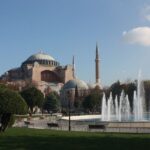
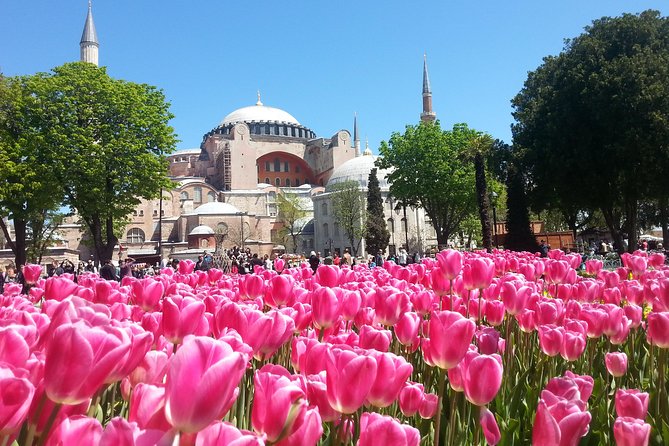
- Hagia Sophia Grand Mosque: Then, now, and the big dome moment
- Offbeat Stops That Make the Day Less Exhausting: Medresesi and Basilica Cistern
- Caferaga Medresesi: Art and music in an Ottoman-designed space
- Basilica Cistern: The underground Istanbul you will not expect
- Markets with a Brain: Grand Bazaar and the Spice Market
- Grand Bazaar: Old-roof labyrinth energy
- Misir Carsisi (Spice Market): Smell-first shopping for food lovers
- Bosphorus Time: Europe-Asia Views Without Overplanning
- Modern Istanbul Interlude: Taksim Square and Istiklal Caddesi
- Galata and the Golden Horn: Towers, Bridges, and Views
- Ottoman Masterpieces Beyond the Headlines: Suleymaniye and Rustem Pasha
- Suleymaniye Mosque: Scale, calm courtyards, and Mimar Sinan
- Rustem Pasha Mosque: A smaller interior with standout tiles
- Fortress-Style Istanbul: Walls of Constantinople
- Fener and Balat: Colorful streets and the Church of St. George area
- Dolmabahçe Palace: Ottoman pomp at Bosphorus scale
- Price and Tickets: What You Pay For, What You Need to Budget
- Timing Tips That Actually Matter (Friday and Ramadan Dates)
- What Guides Like Ali and Ozgur Do Better Than a Map
- Should You Book This Private Istanbul Highlights Tour?
- FAQ
- Is pickup included?
- How much does the tour cost?
- Is the tour only in English?
- Are admission tickets included?
- Is it a walking tour?
- When is the Grand Bazaar closed?
Key Highlights You’ll Actually Feel
- Private guide, small group feel: your group only, with a professional local guide meeting you in person
- Ottoman + Byzantine links: you see the same sites through shifting empires and meaning, not just photos
- Icon mix in one flow: Hippodrome → Blue Mosque → Hagia Sophia, then cisterns and mosques, then markets
- Bosphorus views built in: a public boat tour adds the Europe-Asia perspective without extra stress
- Museum stops included as options: Hagia Sophia and Basilica Cistern are included in the route, but their tickets aren’t included
- Real human guidance: guides like Ozgur and Ali are praised for friendly, adaptive explanations and a smooth day
Private Istanbul Highlights: Why This Format Works
If you want Istanbul in a nutshell, you need two things: the right stops and a guide who can connect them. This tour is set up for exactly that. You move through the city’s most famous landmarks in a way that helps you see the patterns, like how Constantinople’s Roman center became Ottoman Istanbul’s ceremonial stage.
Because it is private, you are not stuck waiting for slow walkers or getting cut out of a conversation. And because the big sights are close together, you avoid the classic problem in Istanbul: spending your limited time crossing the city instead of standing in front of the monuments.
You can also read our reviews of more tours and experiences in Istanbul.


Meeting Up Without Stress: Pickup, Where You Start, and Group Size
Your guide meets you at your hotel lobby if you are in the city center or near Galata port. If you are not, the meet-up point is Sura Design Hotel & Suites in the old city area, and for centrally located hotels the guide can meet you on foot.
This matters because Istanbul navigation can be tricky when you are short on time. A direct meet-up saves you from guessing where to stand, which street corner to trust, or how long it will take to wrangle a pickup.
The tour is designed for a small private group. The price is listed as $200 per group up to 5, while the operator also notes a private group setup up to 8 people. Either way, you get that small-team attention where your guide can slow down or speed up based on your interests.
How the Route Moves: A Clear Sense of Place, Not a Random Grab Bag
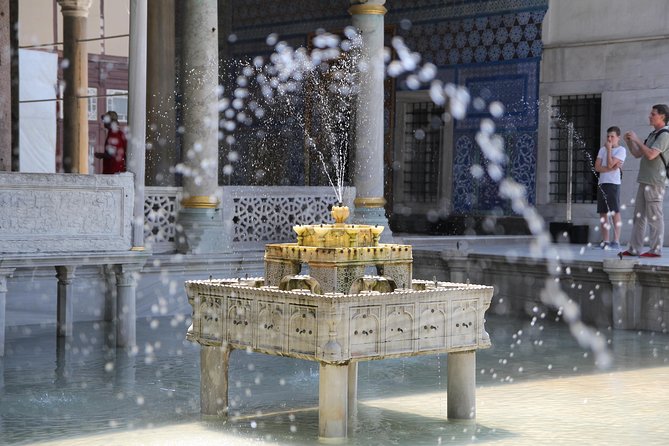
The tour uses a logic that makes your brain relax. You start in the older core around Sultanahmet, work through the quieter indoor and underground sights, then shift into market time, and finally bring in Bosphorus and the city’s modern energy.
A key practical point: it’s a walking tour because many highlights sit in the same pedestrian-heavy zone. The upside is less transit time and more sight time. The downside is that your feet will do real work, so plan for breaks and bring water when you can.
Sultanahmet Core: Hippodrome, Blue Mosque, and Hagia Sophia
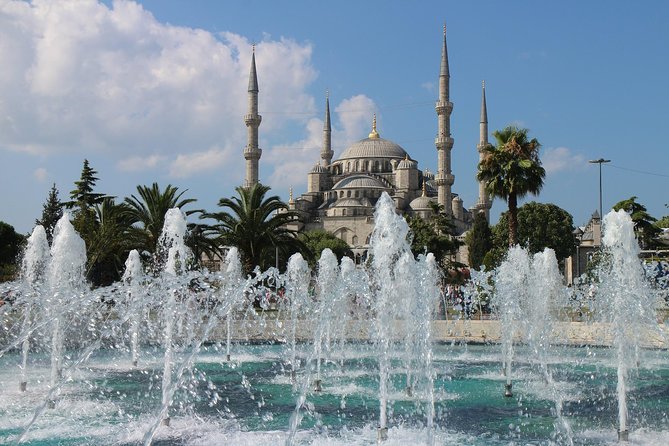
This is the heart of the classic Istanbul day, and it is built in a smart order.
Roman Hippodrome: Monuments with layers
You begin at the Hippodrome, an ancient chariot-racing arena that once functioned as the center of Constantinople’s public life. The site feels open-air and different from the mosques nearby, which helps reset your eyes.
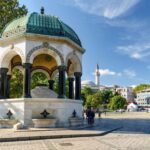
This stop is especially worth it for the specific monuments: the Obelisk of Theodosius, the Serpent Column, and the German Fountain. Each one is a clue about who controlled the story and how power gets displayed in stone and bronze.



Blue Mosque: A color trick your eyes will remember
Next is the Blue Mosque (Sultan Ahmed Mosque). It is free to enter, and the interior is where the wow factor lands. Those famous blue tiles are not just decoration; they frame the prayer hall and give you that calm, soft light that changes as clouds move.
If your day includes Hagia Sophia, do not skip that contrast. Blue Mosque is Ottoman in feel and style, while Hagia Sophia lets you feel the earlier Byzantine layers. Seeing them back-to-back helps you understand why Istanbul’s architecture looks like it has multiple owners.
Hagia Sophia Grand Mosque: Then, now, and the big dome moment
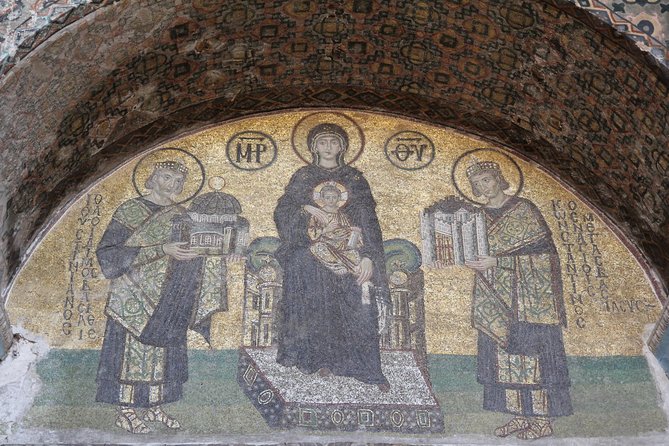
After Blue Mosque, you go to Hagia Sophia. It’s a UNESCO site, originally built as a Christian cathedral in the 6th century, later used as a mosque, and now presented as a museum. That timeline is the whole point here: you are not just touring a building, you are witnessing a timeline in stone.
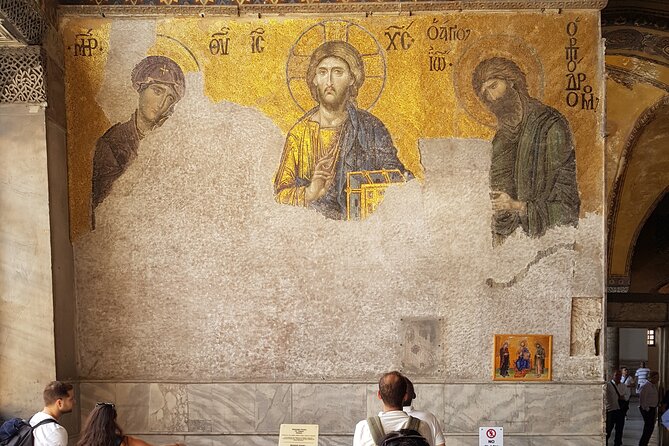
Admission for Hagia Sophia is not included, so budget that ticket. The flip side is that the time on-site is worth it because you see mosaics and calligraphy and the interior scale under the dome. One review highlight that sticks is how a guide helped visitors go up to a gallery to see glass mosaics—if you like details, ask your guide what vantage point makes sense for your schedule.
Offbeat Stops That Make the Day Less Exhausting: Medresesi and Basilica Cistern
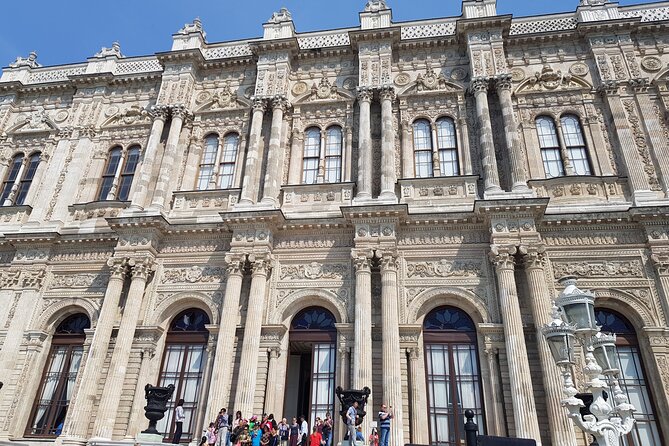
Not every great Istanbul moment is a giant headline monument. Two stops here add variety, shade, and a different pace.
Caferaga Medresesi: Art and music in an Ottoman-designed space
Caferaga Medresesi is an exhibition hall tied to Ottoman architecture, designed by Mimar Sinan. You get a change of mood here: it is smaller, more quiet, and it connects art and learning instead of just politics and religion.
It is free, and the building’s setup with multiple halls (15) makes it easy to skim when you want speed or slow down when something catches your eye.
Basilica Cistern: The underground Istanbul you will not expect
Then comes Basilica Cistern, one of those places that makes you whisper, even if you hate silence. Built in the 6th century during Emperor Justinian I, it is an underground reservoir with marble columns that rise from still water.
Admission is not included for this stop, so plan for that cost. The payoff is the atmosphere: dim lighting, long walkways, and carved details like the Medusa heads. It also works as a natural break in the middle of a high-intensity sightseeing day.
Markets with a Brain: Grand Bazaar and the Spice Market
Istanbul markets are sensory, but they can also become a blur. With a guide, you get structure: what to look for, how to avoid getting steamrolled, and how to shop with confidence.
Grand Bazaar: Old-roof labyrinth energy
At the Grand Bazaar, you are walking through one of the world’s oldest and largest covered markets, with thousands of shops. Expect crowds, narrow alleys, and enough choices to make your head spin.
The best way to use this time is simple: decide what you actually want before you enter. If you want textiles, ceramics, jewelry, or spices, your guide can help you focus and you will feel like you are shopping with purpose instead of aimlessly wandering.
Grand Bazaar is free to enter, but it is closed on Sundays. Also note major seasonal closures around Ramadan and Eid dates.
Misir Carsisi (Spice Market): Smell-first shopping for food lovers
Next, Misir Carsisi (the Spice Market) is about spices, teas, dried fruits, nuts, and sweets. It dates to the 17th century, and the alleys are packed with color and scent.
This is a great stop even if you do not plan to buy much. You can taste suggestions, learn what goes into Turkish cooking, and pick up small gifts that actually make sense for your kitchen.
Like the Grand Bazaar, it has closures during Ramadan, Eid al Adha, and Republic Day.
Bosphorus Time: Europe-Asia Views Without Overplanning
A good Istanbul day needs water views. This tour adds that with a public boat tour along the Bosphorus Strait.
The guide points out landmarks as you move along the coastline, including major sights like Dolmabahçe Palace, Ortaköy Mosque, and Rumeli Fortress (as seen from the water). You also get the Europe-Asia feeling without needing special tickets or a complicated schedule.
Boat tour admission is not included, so budget that extra. The upside is value: you get big skyline views with less effort than trying to piece it together on your own.
Modern Istanbul Interlude: Taksim Square and Istiklal Caddesi
After the older core, the tour shifts to Taksim Square and Istiklal Caddesi, which is the city’s main pedestrian boulevard. This part gives you context for modern life: cafes, shopping streets, side alleys, and energy that feels more current than the monuments.
These stops are mostly free, and that is a nice break from ticket costs. It also helps you reset between heavy indoor sights and mosques by letting your eyes roam.
Galata and the Golden Horn: Towers, Bridges, and Views
You also get a look at Galata Tower from the outside. It was built in 1348 to help protect the city from fires and later served other roles, including prison and observation.
You then see Galata Bridge (Galata Köprüsü) over the Golden Horn, a quick stop but one that anchors your mental map. It’s the kind of location that makes you feel you understand the city’s geography a bit better.
Ottoman Masterpieces Beyond the Headlines: Suleymaniye and Rustem Pasha
If you only see the top two mosques, you miss the range. This tour includes two Ottoman highlights that change the tone.
Suleymaniye Mosque: Scale, calm courtyards, and Mimar Sinan
Suleymaniye Mosque is a masterpiece commissioned by Sultan Suleiman the Magnificent and designed by Mimar Sinan. It sits on the Third Hill, so it also gives you a more commanding feel for the city layout.
Inside, you get tilework, calligraphy, courtyards, and landscaped gardens. It is a quieter counterpoint to the more crowded central mosque spots, and it gives you a place to slow down even while you keep moving.
Rustem Pasha Mosque: A smaller interior with standout tiles
Rustem Pasha Mosque is a more intimate Ottoman stop in the Eminönü area. It is known for its vivid Iznik tiles with floral and geometric patterns.
This is one of those places where the interior details are the whole point. Light filtering through stained-glass windows can make the colors feel almost more intense than they look in photos. The interior time is free, which helps keep the budget under control.
Fortress-Style Istanbul: Walls of Constantinople
You also pass by the Walls of Constantinople, constructed in the 5th century under Emperor Theodosius II and later expanded under Leo I.
This stop is short, but it is valuable because it gives you context for why Istanbul was built the way it was. When you later look at neighborhoods, hills, and the waterfront, you can picture how the city protected itself.
Fener and Balat: Colorful streets and the Church of St. George area
The tour includes Fener & Balat on the Golden Horn, with colorful historic houses, carved wooden balconies, and narrow cobblestone lanes. This area is more about atmosphere and architectural clues than one single monument.
You also visit Fener Rum Patrikhanesi, tied to the Greek Orthodox Patriarchate area, and specifically the Church of St. George. It’s a way to broaden your Istanbul view beyond mosques alone and understand how multiple faiths shaped the city.
Dolmabahçe Palace: Ottoman pomp at Bosphorus scale
Dolmabahçe Palace is included as another major “see it in person” highlight near the water. It was built in the mid 19th century and served as a residence for monarchs until the sultanate was abolished in 1922. Today, it is a museum.
Admission is not included for Dolmabahçe Palace, so you will want to budget for it if your chosen day includes this stop. Still, the location right on the Bosphorus makes it feel connected to the boat portion rather than like a random add-on.
Price and Tickets: What You Pay For, What You Need to Budget
The headline price is $200 per group (up to 5) for private service. That can feel like a lot until you compare it to the real cost of time. A guided, private day saves you from paying for multiple individual guides, dealing with transit friction, and losing hours to “where do we go next” confusion.
One thing to watch: admission fees are not included for some major indoor stops and museums like Hagia Sophia and Basilica Cistern, plus other places such as Dolmabahçe Palace and the Bosphorus boat. Some stops are free, like the Blue Mosque and many exterior or monument-area visits.
So how do you budget realistically? Think of this as a tour where you pay for the guide and structure, and then you pay museum tickets as you go. If you want to minimize extra spending, focus your ticket budget on the biggest indoor sites and keep free stops for the rest.
Timing Tips That Actually Matter (Friday and Ramadan Dates)
A few schedule gotchas can change what you see.
- Blue Mosque is closed on Fridays until 2–2:30 pm due to the sermon, and then you may only get an outer visit.
- Hagia Sophia Museum can be closed during prayer times.
- Grand Bazaar is closed on Sundays.
- The Grand Bazaar and Spice Market can close during Ramadan (given dates for 2025), Eid al Adha (given dates for 2025), and Republic Day (October 29).
If your dates line up with closures, you still get great value from the rest of the route, but you might want to shift your expectations about market time.
Also keep in mind that in high season, tours fill quickly. Booking earlier helps you lock in the guide you want and the day you want.
What Guides Like Ali and Ozgur Do Better Than a Map
The best part of a private tour is not the list of stops. It is how the guide turns the stops into understanding.
In the past, guides such as Ali were praised for being friendly and highly informed, with everything running smoothly. Another guide, Ozgur, stood out for taking time to explain and adapt to what the group needed. Those are the small differences that change your day from sightseeing to feeling you truly understand what you saw.
And one extra detail that matters: guides can help you make the most of Hagia Sophia by pointing out where to focus. That gallery detail with glass mosaics is the kind of thing you might not notice if you are just following signs on your own.
Should You Book This Private Istanbul Highlights Tour?
Book it if you want maximum clarity per hour and you like your city visits explained, not just photographed. It’s a strong choice for first-timers who want the Ottoman and Byzantine icons, plus markets and a Bosphorus view, without building a complicated plan yourself.
Skip it or adjust expectations if you hate walking and you want a mostly car-based tour with minimal foot time. You can also choose the option that adds a private vehicle with your guide (and if you are staying in Sultanahmet, you might not need it).
If your goal is to leave Istanbul feeling like you understand what you saw, this tour is one of the easiest ways to do it.
FAQ
Is pickup included?
Yes. Your guide meets you at your hotel lobby if your hotel is in the city center or Galata port. If not, you meet at the Sura Design Hotel, and for central hotels the guide can meet you on foot.
How much does the tour cost?
The price is listed as $200.00 per group (up to 5). It is a private group experience.
Is the tour only in English?
The tour is offered in English.
Are admission tickets included?
Some stops have free admission, but admission fees are not included for sites and museums noted as not included, such as Hagia Sophia and Basilica Cistern (and other paid elements on the route).
Is it a walking tour?
Yes. The tour is described as a walking tour since many highlights are located close together in a big pedestrian area.
When is the Grand Bazaar closed?
The Grand Bazaar is closed on Sundays, and it is also noted as closed during Ramadan-related closures, Eid al Adha dates (2025), and Republic Day (October 29).