REVIEW · ISTANBUL
Istanbul: Taksim District Half-Day Walking Tour
Book on GetYourGuide →Operated by ISTANBUL WALKS · Bookable on GetYourGuide
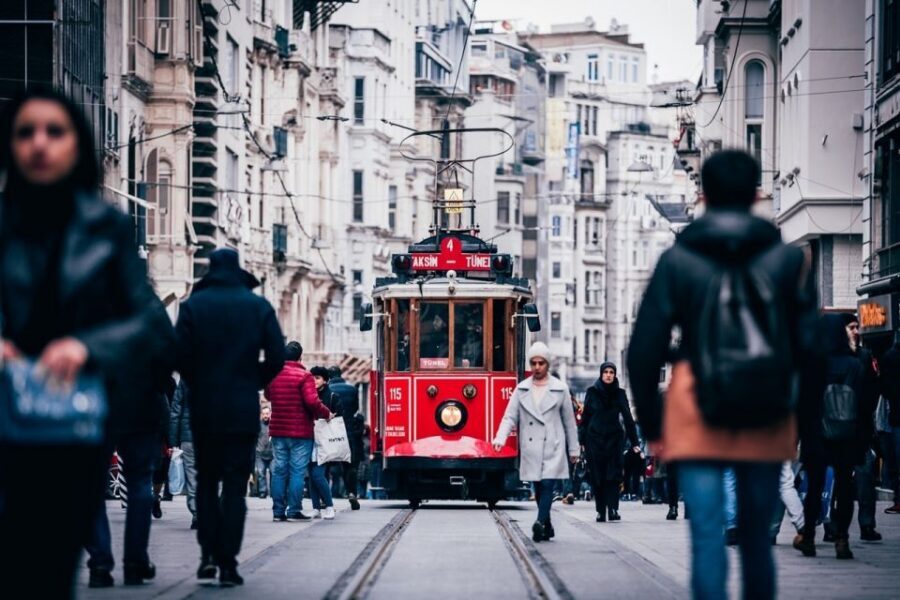
Taksim and Istiklal move fast.
That’s exactly why this 4-hour walking tour works so well: you start at Taksim Square and walk into the long, famous stretch of Istiklal Street—about two miles of layered architecture, from late Ottoman looks to modern facades. You also get the kind of guided focus that helps you notice details you’d miss doing this on your own.
I especially like how the route mixes big-name sights with smaller stops you can actually enjoy on foot. Two standout reasons: the chance to see the grand consulates and European-style landmarks along the avenue, and the guide’s energy—one example is Tuncer, who brings humor and clear context so even a hot day feels manageable.
One thing to keep in mind: it’s a walking tour on city streets, and it’s not suitable for wheelchair users. Also note the no-luggage rule—if you’re traveling light, you’ll be much happier.
In This Review
- Key highlights at a glance
- Taksim Square: the smart way to start in Istanbul
- Istiklal Street: Ottoman-to-modern architecture you can actually see
- Consulates, churches, and the European footprint of Beyoğlu
- Side streets in Beyoğlu: where the tour slows down a notch
- A café break for Turkish coffee on the route
- St. Anthony of Padua Church and the Italian thread
- The 1481 high school stop: one date that keeps Istanbul grounded
- Price and value: is $130 for 4 hours fair?
- Logistics that matter (and the ones that don’t)
- Who should book this walking tour
- Should you book this Istanbul Taksim and Istiklal walking tour?
- FAQ
- Where does the tour start?
- How long is the walking tour?
- Is hotel pickup included?
- Is the tour in English?
- How large is the group?
- Are entrance fees included?
- Is Turkish coffee included?
- Is luggage allowed on the tour?
- Is this tour suitable for wheelchair users?
- What is the cancellation policy?
Key highlights at a glance
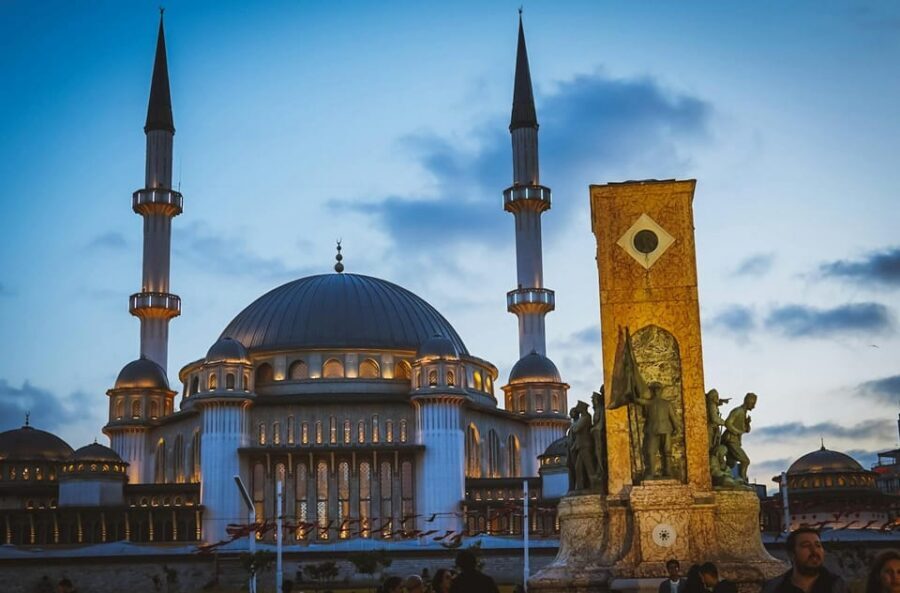
- Istiklal Street on foot: a near-two-mile pedestrian walk with major landmarks and changing architecture
- Consulates and embassy buildings: great photo stops and quick context for what you’re seeing
- Side streets for culture: bookstores, galleries, and pubs off the main drag
- Church and Italian heritage: St. Anthony of Padua Church gets real attention
- A historic school founded in 1481: one of those dates that makes Istanbul feel extra real
Taksim Square: the smart way to start in Istanbul
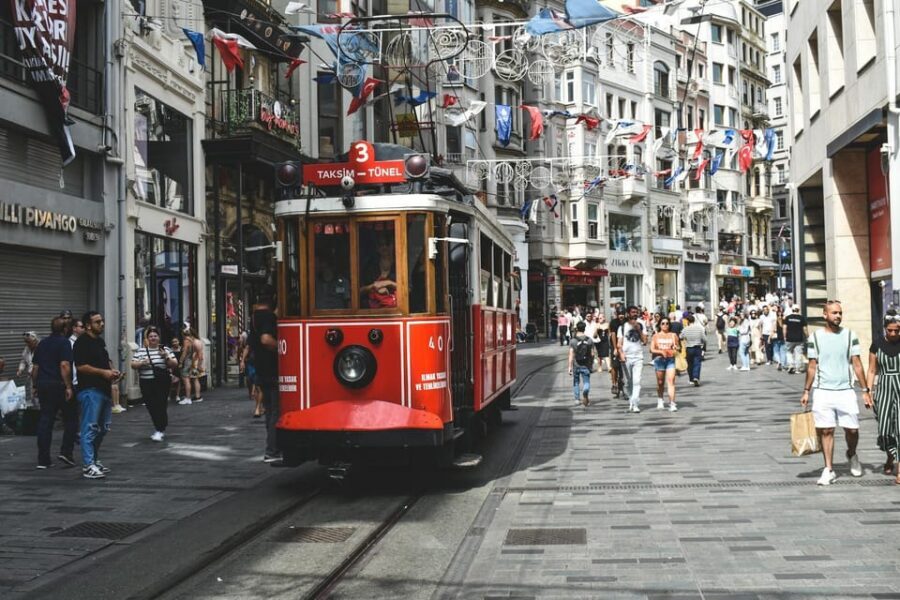
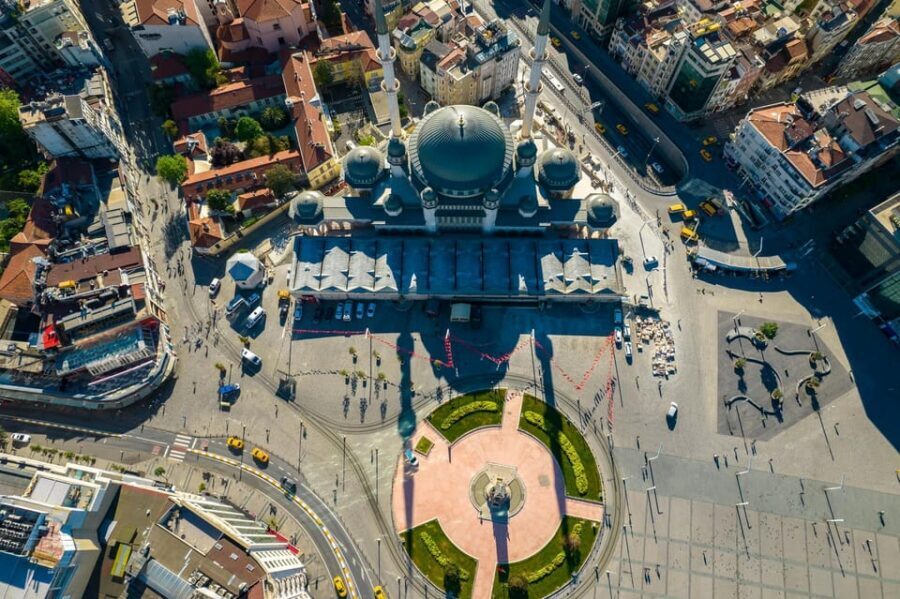
You can waste a lot of time trying to figure Istanbul out. This tour starts where you can get your bearings quickly. Taksim Square sits at the center of the action, and it’s also tied to one of the oldest metro lines in the world. Even if you don’t ride it, that matters because it helps you understand why so many routes, neighborhoods, and “coming and going” energy all funnel here.
Then you’re off to Istiklal Street, which is pedestrian-friendly for long stretches. You’re not just ticking off landmarks. You’re walking through a long story of how Istanbul has looked—and how different European and local influences show up in stone, signage, and building scale.
If you’re visiting for the first time, this start point is a gift. You’ll learn what to watch for before you wander on your own afterward. And the small group size (up to 10) helps here: you can actually hear your guide, and you’re not spending the tour constantly waiting for stragglers.
You can also read our reviews of more walking tours in Istanbul



Istiklal Street: Ottoman-to-modern architecture you can actually see
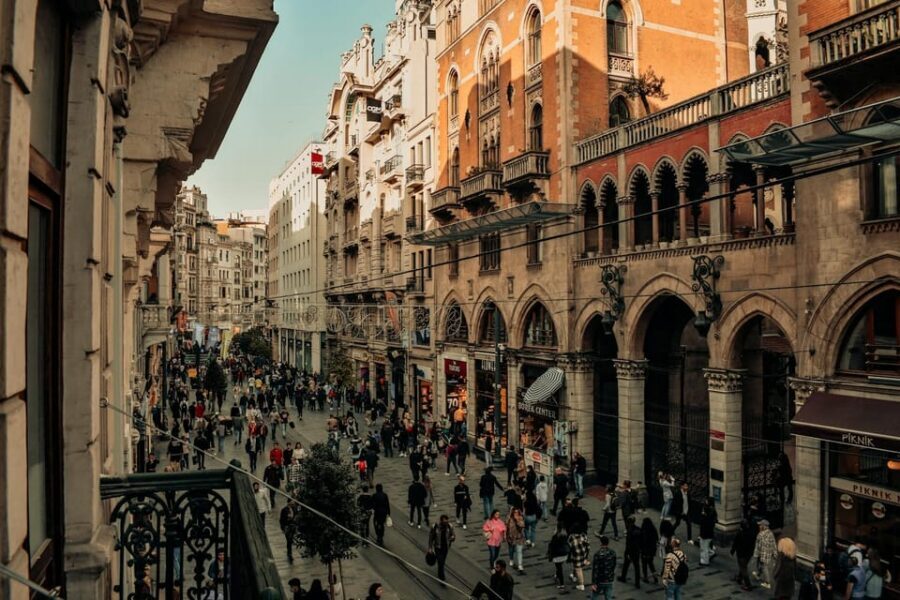
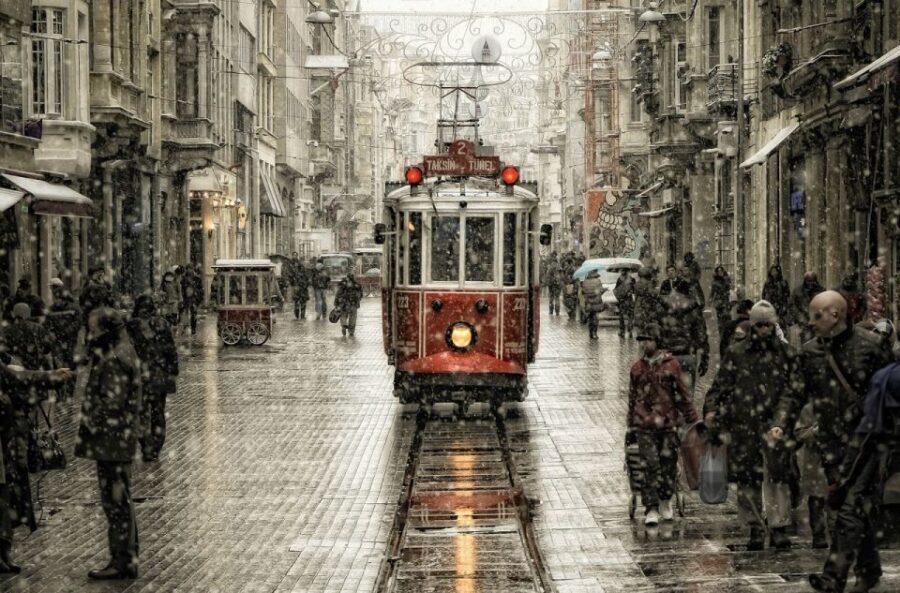
Istiklal Street is famous for a reason. You get the length of it, the feel of it, and the architectural variety in a single half-day. As you walk, your guide points out how the street reflects shifts over time—late Ottoman details up front, then newer styles and modern constructions mixing in.
What I like about this is that it’s not “architecture as a lecture.” It’s architecture as a walkable map. You’ll notice the differences between buildings just by how they’re built and how they present themselves on the street: height, ornamentation, windows, and the overall rhythm of facades.
Practical tip: wear shoes you trust. Even though it’s only 4 hours, the pavement adds up fast on Istanbul days. Bring water, and don’t plan anything heavy right after the tour—your legs will ask for a break.
Consulates, churches, and the European footprint of Beyoğlu
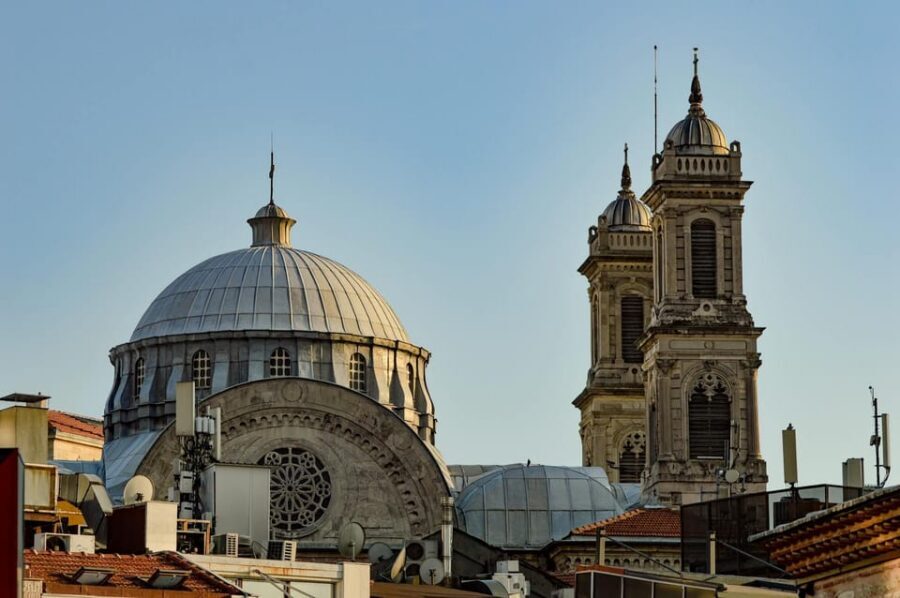
A big draw here is that you’re not stuck with one type of landmark. Along the avenue, you’ll pass many of the historic consulates and see how the area developed a more European-facing identity over time. It’s one of those Istanbul details that only clicks after you’ve walked past the buildings and seen their scale and placement.
You’ll also spot major religious sites, including churches and mosques visible along the route. This helps you understand Istanbul’s rhythm: sacred places sit right next to offices, hotels, cafés, and everyday street life. You don’t have to study history to get the vibe—you can read it through geography.
One more benefit: your guide ties what you’re seeing to the bigger picture. That means your photos come with context, not just faces in front of stone. If you like walking tours where the guide helps you interpret the city instead of reciting facts, this one tends to land well.
Side streets in Beyoğlu: where the tour slows down a notch
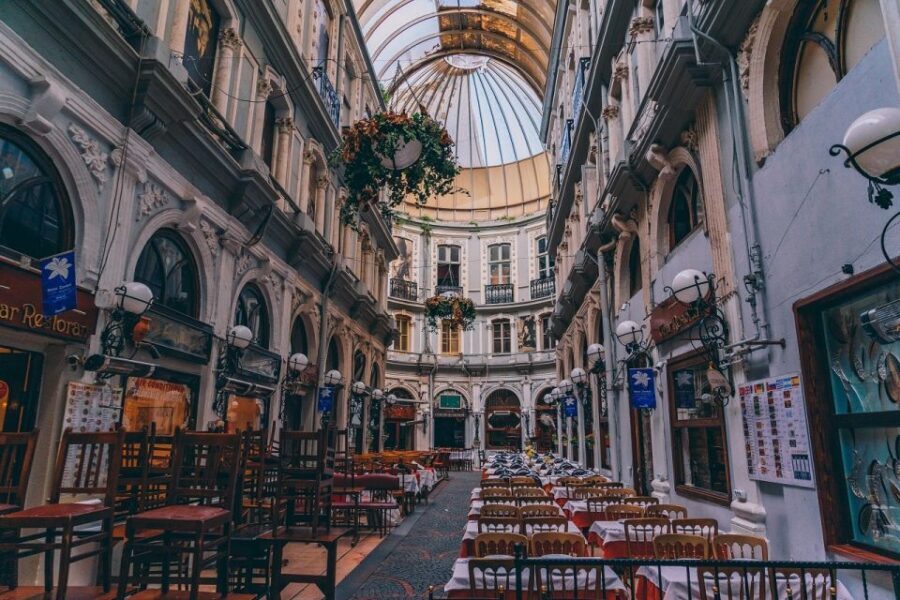
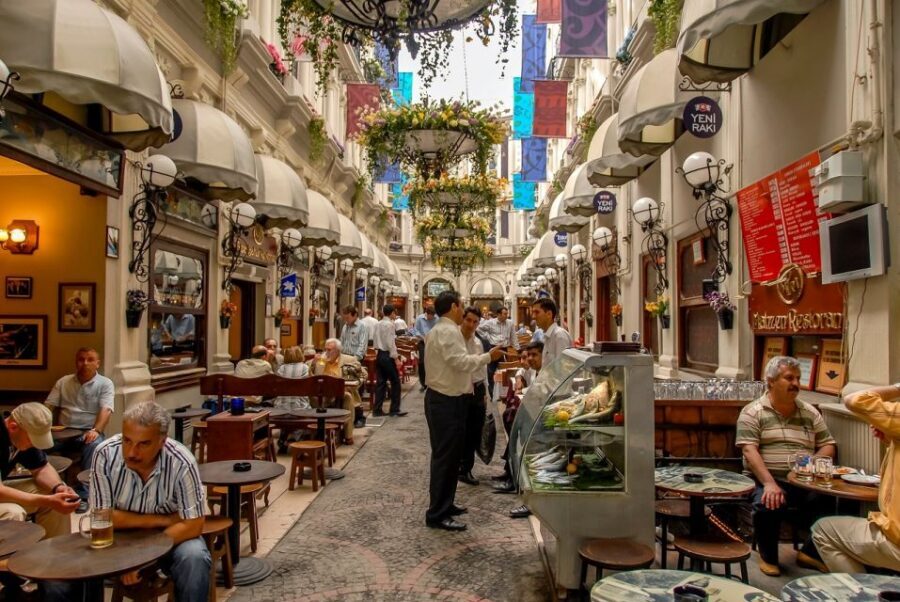
The main drag is the obvious showpiece, but the best part for your brain might be the detours. You’ll explore some of the smaller streets branching off Istiklal—places with bookstores, galleries, and pubs. This is where the experience stops feeling like a checklist and starts feeling like an Istanbul day.
Why it’s worth it: those side streets let you catch a different Istanbul pace. You get calmer corners, shopfront details, and a sense of neighborhood character that you can’t see just by staring down the center of the avenue. It’s also a nice change of rhythm after the long straight walk—your eyes need a break from big facades.
And because the group is small, you’ll have time to look around without the constant pressure of squeezing back into the main flow. It’s the kind of stop that makes you want to keep wandering after the tour ends.
A café break for Turkish coffee on the route
Midway through, you’ll sit down at a café and enjoy Turkish coffee while you watch the street move around you. This is a practical inclusion, not just a cute photo moment. Coffee gives your body a reset. It also gives your brain a chance to process what you’ve already learned.
If you’re traveling with someone who gets impatient with long walks, this break is a peace treaty. It gives everyone a moment to slow down, refuel, and decide what they want to explore next.
One quick note: your guide is part of the experience, so listen during the café stop too. These short pauses are often where guides add the extra context that makes the landmarks feel connected.
You can also read our reviews of more tours and experiences in Istanbul





St. Anthony of Padua Church and the Italian thread
One of the clear highlights on this walk is St. Anthony of Padua Church. You’ll spend time admiring it and learning about its Italian heritage. Places like this matter because they show how international communities left physical marks on the city—not just through politics or commerce, but through culture and faith.
What’s useful for you: your guide doesn’t just point at the church. The learning is tied to why it belongs in this neighborhood and what it reflects about Beyoğlu’s history. When you understand the “why,” a building stops being just a stop, and becomes part of a story you can carry into the rest of Istanbul.
If you enjoy church architecture or you’re curious about foreign communities in Istanbul, this segment is worth paying attention to. Even if you’re not a religious-site person, the Italian connection makes it more interesting than a generic landmark.
The 1481 high school stop: one date that keeps Istanbul grounded
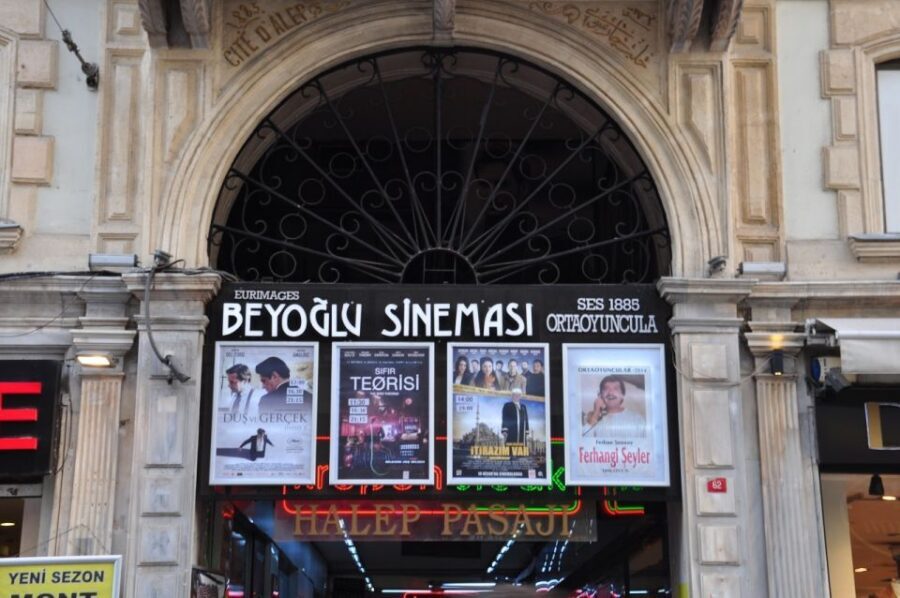
Another memorable stop is a high school founded in 1481. Dates like this do something special in Istanbul. They anchor the city in time. You can feel the difference between Istanbul as a modern travel destination and Istanbul as a place with long-running institutions.
This is exactly the kind of detail that makes a walking tour valuable: you’re not just seeing what looks important today. You’re learning what mattered early, and why certain buildings have lasted while other things changed.
If you like educational travel—where you leave with specific facts you can repeat at dinner—this part is for you. It also gives your guide an easy lane to explain context: how old institutions fit into a street that also holds newer, more modern structures.
Price and value: is $130 for 4 hours fair?
At $130 per person for a 4-hour small-group walk, the price lands in the “pay for convenience and guidance” category. Here’s what you’re actually buying:
- An English-speaking guide who explains what you see
- Entrance fees included (so you’re not hit with surprises mid-tour)
- Hotel pickup from centrally located hotels, which saves time and hassle
- A small group (limited to 10), which usually means fewer waits and better attention from the guide
For me, value comes down to two things: how much you learn per minute, and how smoothly the logistics work. This tour is built to avoid the common walking-tour pain points—like wandering in circles, guessing which streets matter, or arriving at sights without context.
Possible downside: if you’re the type who loves free-form wandering more than guided interpretation, you might feel the cost more than the learning. But if you want a guided path through Istanbul’s most famous streets—without spending the day researching—this price can make sense.
Logistics that matter (and the ones that don’t)
A few practical points are worth planning around.
First: hotel pickup is included, but hotel drop-off is not. So plan your next step after the tour—whether that’s lunch, a museum, or hopping on transit.
Second: luggage or large bags aren’t allowed. That’s a big deal. If you’re coming from the airport with bags, you may want to store them before you meet your group, or choose a different activity.
Third: it’s not listed as suitable for wheelchair users. One person with a mobility impairment shared that the guide adjusted the pace so they could finish. Still, if you use a wheelchair or need full accessibility accommodations, you’ll want to treat this as a no-go based on the activity guidance.
Who should book this walking tour
This tour is a strong fit if you:
- Are new to Istanbul and want a guided on-foot orientation in Taksim and Beyoğlu
- Enjoy seeing how neighborhoods evolved through architecture and institutions
- Want a break from museum time but still want solid context
- Prefer small groups with an energetic guide, like the example of Tuncer
It’s not the best fit if you:
- Can’t do several hours of walking on uneven city streets
- Need to travel with large luggage
- Want a slow, leisurely stroll with no structured pacing
Should you book this Istanbul Taksim and Istiklal walking tour?
I’d book it if you want a first-time-friendly way to understand one of Istanbul’s most recognizable corridors—without losing hours to planning. The combination of Istiklal Street architecture, consulates and European-facing landmarks, meaningful stops like St. Anthony of Padua Church, and a date like 1481 makes the 4 hours feel focused rather than rushed.
Skip it if you’re aiming for a fully self-guided day and already know exactly what you want to see. Also skip it if accessibility is a key need, since it’s not listed as wheelchair-friendly and it’s built around walking through city streets.
FAQ
Where does the tour start?
It begins in Taksim Square, the central heart of the area.
How long is the walking tour?
The tour lasts 4 hours.
Is hotel pickup included?
Yes. Hotel pickup is included from centrally located Istanbul hotels.
Is the tour in English?
Yes. The tour offers an English-speaking guide.
How large is the group?
It’s a small group, limited to 10 participants.
Are entrance fees included?
Yes. Entrance fees are included as part of the tour.
Is Turkish coffee included?
The tour includes time for Turkish coffee during the walk, with a café stop built in.
Is luggage allowed on the tour?
No. Luggage or large bags are not allowed.
Is this tour suitable for wheelchair users?
No. It is listed as not suitable for wheelchair users.
What is the cancellation policy?
You can cancel up to 24 hours in advance for a full refund.