REVIEW · ISTANBUL
Istanbul: Turkish Tile Painting & Ceramic Workshop w/ Snacks
Book on GetYourGuide →Operated by Istanbul Workshops · Bookable on GetYourGuide
If you like souvenirs you actually make, this is for you. In a 3-hour Istanbul ceramic workshop, you’ll paint a traditional ceramic tabak with a local artist, no skills required, and you’ll snack and sip the whole time. People love it because the class feels calm and hands-on, not rushed.
I especially liked the patient, practical instruction—guides like Zeynep and Seyma walk you through what to do as you paint—and the fact that the studio takes care of your finished piece. The workshop includes secure bubble-wrap packaging, so you’re not just crossing your fingers on the way home.
One thing to consider: the meeting point is in Sirkeci, but some sessions run on the Asian side of Istanbul. A couple of reviews mention last-minute guidance changes, so confirm what to do when you receive your message.
In This Review
- Key things to know before you go
- A Beginner-Friendly Workshop Where Your Tabak Becomes the Souvenir
- Meeting at Merhaba Pastaneleri Sirkeci (and why the Asian-side note matters)
- Inside the Studio: How Turkish Tile Painting Really Comes Together
- What You’ll Paint: Choosing Motifs and Getting It to Look Finished
- Snacks and Tea Breaks That Make the Time Feel Short
- Transport and Timing: Why 3 Hours Is a Real Sweet Spot
- Price and Value: Why $31 Can Actually Make Sense in Istanbul
- Who Should Book This Workshop—and Who Might Skip It
- Should You Book This Tile Painting Workshop in Istanbul?
- FAQ
- How long is the Istanbul tile painting and ceramic workshop?
- Do I need any prior art experience?
- What will I take home after the workshop?
- Are drinks and snacks included?
- Where do I meet for the workshop?
- Is hotel pickup and drop-off included?
- How do they help with travel safety for the ceramic?
- What languages does the instructor speak?
Key things to know before you go
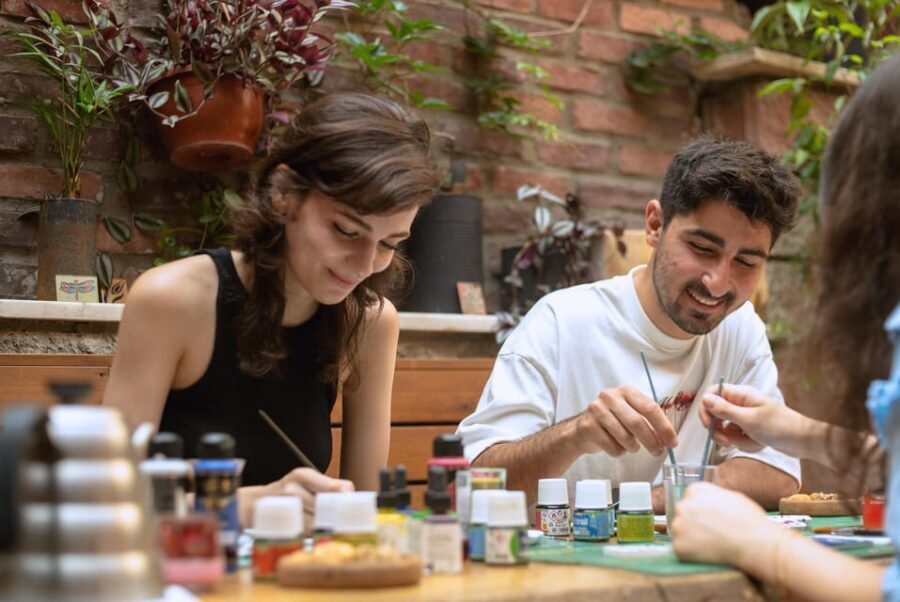
- Beginner-friendly tabak painting: you can show up with zero art experience.
- Guides who actually help: people highlight hands-on support from instructors like Zeynep and Seyma.
- Unlimited Turkish tea, coffee, and snacks: small comfort, big difference during a 3-hour class.
- Master-artist instruction: led by a local artist with a master’s degree in art history, with an emphasis on traditional techniques.
- Souvenir-safe packaging: your finished ceramic gets bubble-wrapped for luggage travel.
- Watch the location details: some groups shift to the Asian side; transport can be on you afterward.
A Beginner-Friendly Workshop Where Your Tabak Becomes the Souvenir
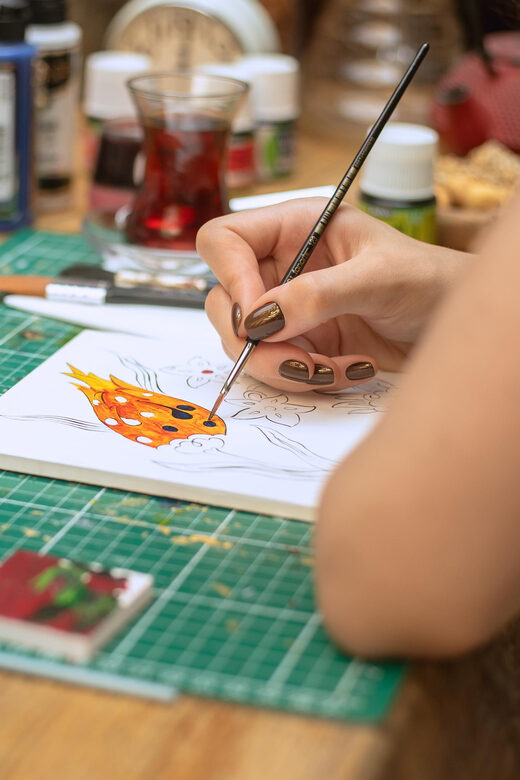
This workshop works because it turns a common tourist stop into something personal. Instead of buying a pre-made tile, you paint a ceramic plate called a tabak—your own motif, your own colors, your own choices. You’ll be guided through classic Turkish tile/ceramic patterns, but the atmosphere is relaxed enough that you’re not trapped copying someone else’s design.
The class is designed for real beginners. You don’t need drawing skills, steady hands, or any previous experience with paint or ceramics. The instructor’s job is to help you move from a blank plate to a finished piece you’ll want to keep (and show people back home). A master-artist background in art history also matters here: you’re not just learning how to paint, you’re getting the why behind the patterns.
And honestly, that combination—skill + context + a take-home object—makes it feel worth your time. It’s a break from constant walking, and it gives your trip a tangible memory.
You can also read our reviews of more tours and experiences in Istanbul



Meeting at Merhaba Pastaneleri Sirkeci (and why the Asian-side note matters)
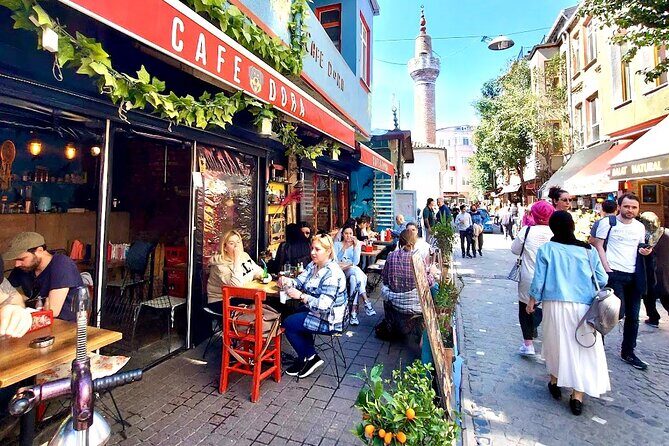
You’ll meet outside a historic building with a vintage sign that reads Merhaba Pastaneleri Sirkeci, and your guide waits at the entrance. That’s the start point listed for the experience, and it’s a helpful anchor if you’re already in the central area.
Now here’s the practical consideration: a few reviews mention that after booking, they were informed the workshop location is on the Asian side of Istanbul. One review even describes being taken by metro with assistance so the group could reach the studio. Another notes the inconvenience of needing to figure out the return to the European side around late afternoon/early evening.
So what should you do?
- When you get confirmation or WhatsApp messages, read them closely for the actual workshop location and any transfer plan.
- If your schedule is tight, mentally budget a little extra time to get back where you’re staying—especially around 6pm when traffic and transit get tricky.
The upside: even if you end up on the Asian side, you’ll still get the same main experience—painting your tabak, sipping tea, and getting your ceramic safely wrapped.
Inside the Studio: How Turkish Tile Painting Really Comes Together
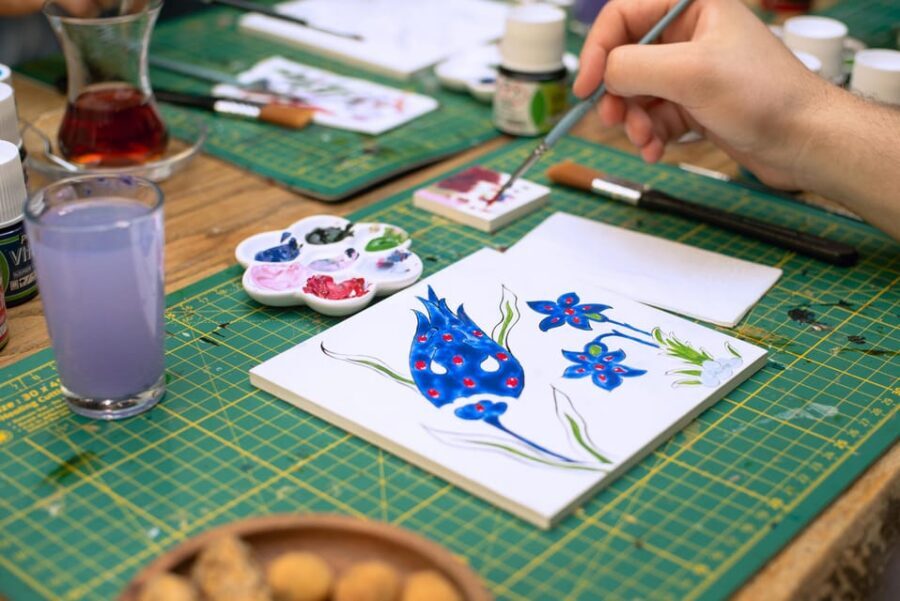
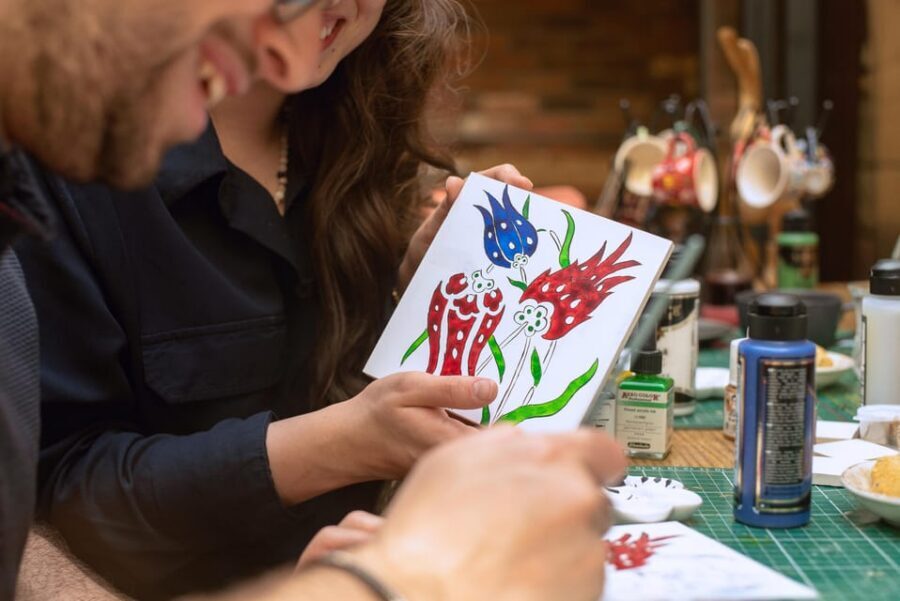
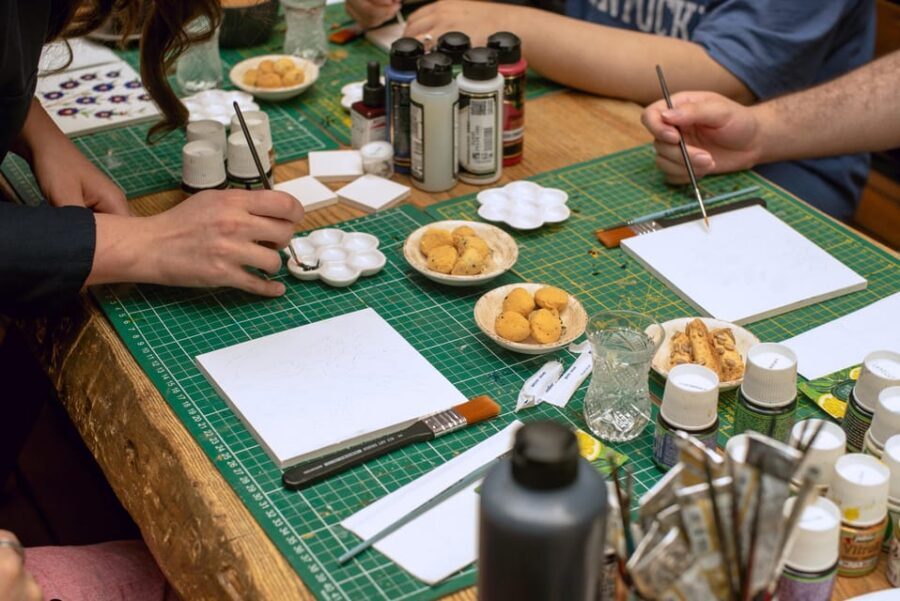
The heart of this class is your painting time, guided step-by-step. You’ll work in a structured workshop setting where materials are provided, including high-quality paints and traditional tools. That matters because cheap paints and missing tools usually cause messy results and frustration. Here, you’re set up to do things the right way from the start.
The teaching approach is practical:
- You learn the traditional technique behind the look of Turkish ceramics.
- You choose a motif direction—either a classic Turkish design or something more personal.
- You get guidance as you go, especially when a technique needs a specific motion, thickness, or color order.
A master artist leading the class adds another layer. You’ll hear history and context about Turkish tile and ceramic art as part of the session. That isn’t just trivia. When you understand why patterns are arranged a certain way, your painting feels more intentional, and you’ll likely enjoy the process more.
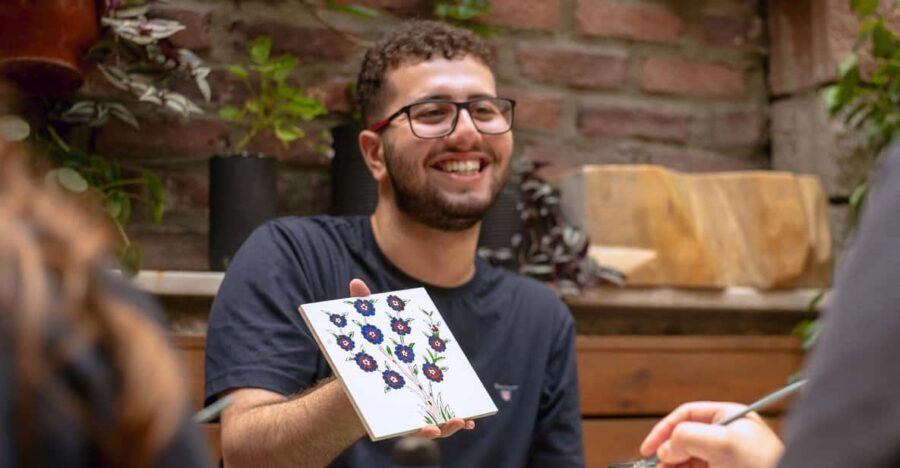
From a traveler’s point of view, the best part is the progress you can actually see. You start with a blank plate, and you leave with a finished work that’s visually complete—not just a sketch that you’ll fix later.
What You’ll Paint: Choosing Motifs and Getting It to Look Finished
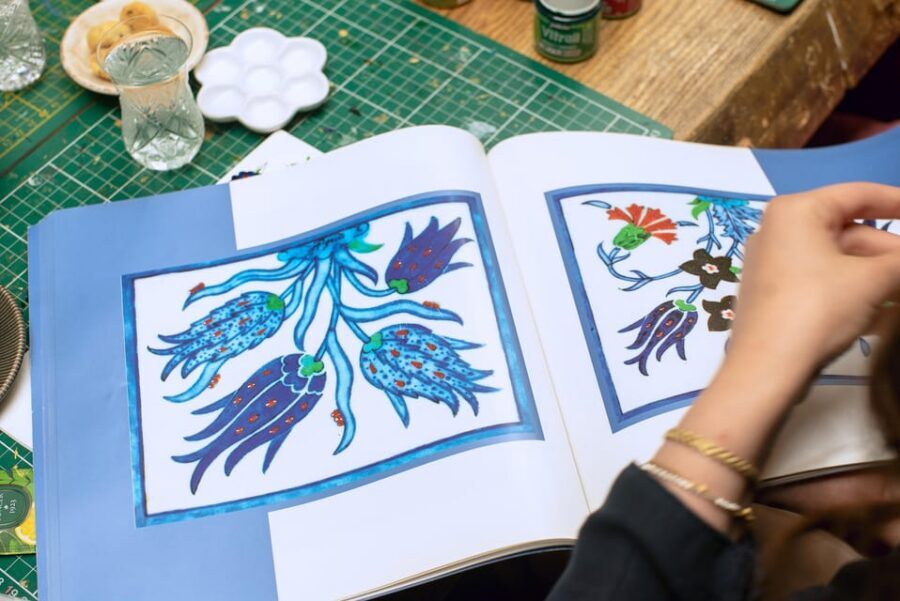
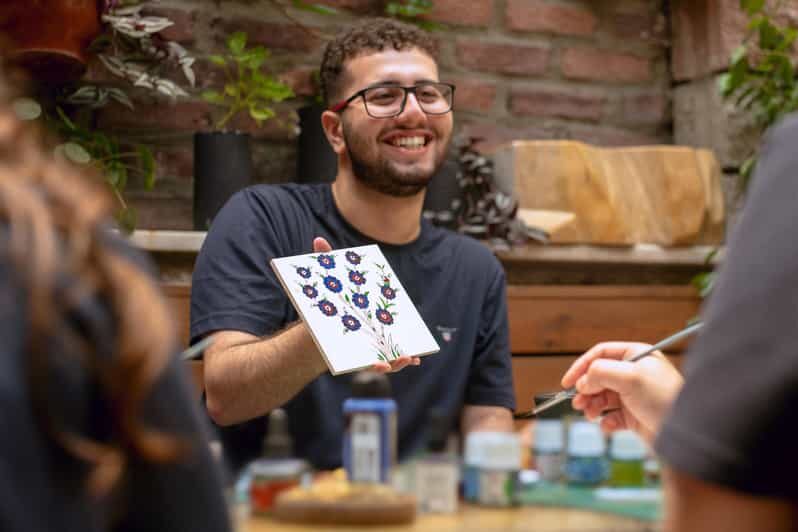
Your take-home object is one ceramic plate (tabak). You paint it during the workshop, and at the end you’ll receive it packaged securely for travel. The studio offers traditional motifs, but you’re not locked into one style.
This is where the class stays fun. If you love traditional Turkish designs, you can lean into classic patterns and color choices. If you prefer your own version, you still get the structure of the technique, so your final piece doesn’t look random. Either way, the workshop is set up so beginners can finish something that reads clearly as tile-inspired art.
One detail I appreciate: the class includes an actual certificate of completion. It’s small, but it reinforces that this is a real workshop experience, not a drop-in craft session.
Snacks and Tea Breaks That Make the Time Feel Short
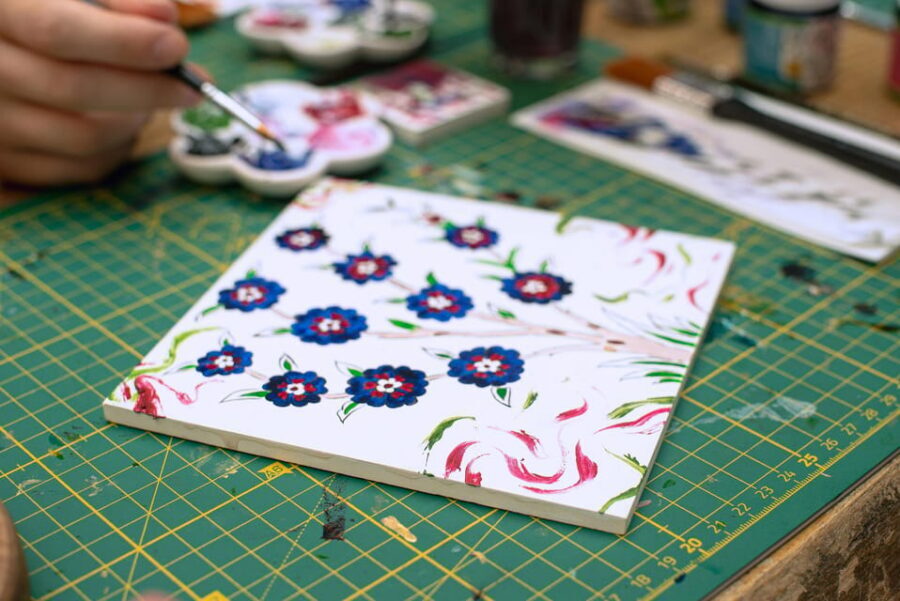
It’s easy to underestimate this part. But in a hands-on 3-hour class, the comfort factor matters, and this workshop gets it right.
You’ll have unlimited Turkish tea, coffee, and water, plus a selection of handmade local cookies. That keeps energy steady while you concentrate on paint work. It also makes the room feel social in a low-pressure way—people chat, ask questions, and take short breaks without losing momentum.
In the reviews, hospitality comes up again and again. One person mentions conversation and regular check-ins, with offers of more tea, coffee, or biscuits. Another highlights a friendly, hospitable atmosphere where staff constantly helped and made people feel taken care of.
For you, that means two things:
- Your attention stays on painting, not on finding food nearby.
- Even if your day includes lots of sightseeing, you’ll have a calm pause that still feels culturally authentic.





Transport and Timing: Why 3 Hours Is a Real Sweet Spot
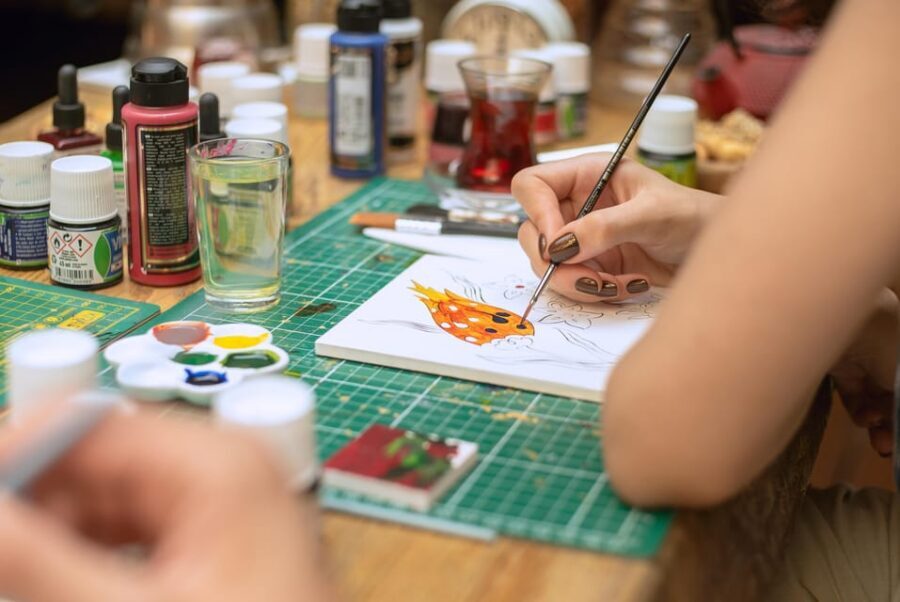
The duration is 3 hours, which is a very workable chunk of time. You get enough sitting time to actually produce a finished tabak, but you’re not stuck in a full-day schedule.
Timing can be smooth, but a couple of reviews mention last-minute changes—like adjustments to start time or venue prep that pushes things back a bit. That’s not unusual in small studios. What matters for your planning is to build this like a flexible activity: don’t schedule an important appointment immediately before or after.
Also remember: hotel pickup and drop-off aren’t included. That means you’ll rely on your own way to reach the meeting point (and potentially the studio). The workshop includes guidance in some cases—especially when groups need help getting to the Asian side—but the transfer isn’t guaranteed as a standard feature across every situation.
Price and Value: Why $31 Can Actually Make Sense in Istanbul
At $31 per person, this is priced like a practical local experience, not a museum ticket or a long tour. The value comes from the bundle:
- Expert instruction from a local artist
- Your own ceramic plate (tabak)
- Materials and traditional tools
- Unlimited drinks and local cookies
- Secure bubble-wrap packaging for luggage
- A completion certificate
If you break it down like a traveler: you’re paying for instruction and a made-by-you souvenir, plus the studio handling of the fragile part. Ceramic crafts are often “cheap” on paper until you factor in breakage risk and the hidden labor of packaging. Here, they address that directly with bubble-wrap meant for travel.
So for many people, the math works. If you want a lasting Istanbul souvenir and you like calm, hands-on activities, this is a smart spend.
If you’re expecting a quick 20-minute craft with no real teaching, you might feel it’s too long or too structured. But the class is clearly positioned as a guided painting workshop, not a casual coloring hour.
Who Should Book This Workshop—and Who Might Skip It
I think you’ll enjoy it if you:
- want a souvenir that’s personal, not just purchased
- like hands-on workshops where someone helps you learn as you go
- prefer a quieter break from heavy sightseeing
- don’t feel confident about art—but still want to try
It might not be your best fit if:
- you hate any possibility of extra logistics (like location shifts to the Asian side)
- you need an activity with guaranteed, no-surprises return transport
- you want a purely historical experience with no making part
The sweet spot is travelers who want culture you can touch, and who appreciate patience and clear instruction.
Should You Book This Tile Painting Workshop in Istanbul?
Yes—if you want a real take-home tabak and you value guided craft time over another photo stop. The workshop earns high marks for friendly, patient instruction (including guides such as Zeynep and Seyma), the calm hospitality during the session (tea, coffee, cookies), and the fact that your ceramic comes bubble-wrapped for travel.
Before you book, do one smart thing: confirm the exact workshop location details once you receive your message, especially if you’re staying on the European side. If you plan a little buffer time for getting back, you’ll walk out with a souvenir that feels like your Istanbul story—not just something you brought home.
FAQ
How long is the Istanbul tile painting and ceramic workshop?
The workshop lasts 3 hours.
Do I need any prior art experience?
No experience is required. The class is beginner-friendly.
What will I take home after the workshop?
You’ll paint and take home one ceramic plate (tabak).
Are drinks and snacks included?
Yes. You get unlimited Turkish tea, coffee, and water, plus a selection of handmade local cookies.
Where do I meet for the workshop?
Meet outside the historic building with the vintage sign Merhaba Pastaneleri Sirkeci.
Is hotel pickup and drop-off included?
No, hotel pickup and drop-off are not included.
How do they help with travel safety for the ceramic?
Your finished ceramic plate is securely bubble-wrapped for safe travel in your luggage.
What languages does the instructor speak?
The instructor offers instruction in English and Turkish.