REVIEW · ISTANBUL
Private Cultural Tour of Istanbul: 1 or 2-Day Tailored Experience
Book on Viator →Operated by Olea Travel · Bookable on Viator
Istanbul feels personal on this tour. It’s a private, English-guided 1–2 day plan built around Istanbul’s most meaningful neighborhoods, with time for local stories in the places most groups rush past. I like how the route mixes major sights with quieter corners, so you leave with a clearer sense of how the city actually works.
I also like the history that comes with angles you don’t usually get. You’ll spend real time at spots like the Hagia Sophia and the Hippodrome, with explanation that connects architecture, politics, and everyday life instead of just reading off dates. One review even highlighted how the guide worked at a slower pace when someone had an injury, and still kept the visit on track.
There’s one catch to plan for: some big-ticket admissions are not included (including Hagia Sophia, Topkapi Palace, Dolmabahçe Palace, and the Bosphorus cruise). Budget for entry fees and you’ll be glad you did.
In This Review
- Key highlights worth planning around
- A private two-day Istanbul tour that lets you control the pace
- Day 1 in Sultanahmet: Hagia Sophia, Blue Mosque, Topkapi, and the markets
- Stop 1: Sultanahmet District (the historical heart, minus the noise)
- Stop 2: Hippodrome (Byzantine power struggles, not only chariots)
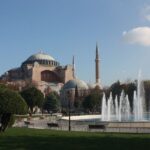
- Stop 3: Hagia Sophia Grand Mosque (architecture lessons and quieter viewpoints)
- Stop 4: Blue Mosque (interior plus peaceful courtyards)
- Stop 5: Topkapi Palace (hidden chambers and the sultans as people)
- Stop 6: Grand Bazaar (how to browse, compare, and bargain without panic)
- Stop 7: Misir Carsisi (Spice Market) (sample first, then buy)
- Day 2: Bosphorus cruise, Dolmabahçe Palace, Taksim, and Istiklal’s side streets
- Stop 1: Bosphorus Strait (two shores, local legends, and shared boat space)
- Stop 2: Dolmabahçe Palace (Ottoman endgame to the new republic)
- Stop 3: Taksim Square (modern pulse plus social movement context)
- Stop 4: Istiklal Caddesi (shopping street, hidden alleys, and rooftop views)
- Tickets and timing: how to budget without surprises
- Shopping for spices and Turkish crafts with a guide in your corner
- Private means personal: what the guides do with your pace
- Who should book this tour
- Should you book this tailored Istanbul cultural tour
- FAQ
- Is this tour private?
- How many people can be in the group?
- What language is the tour offered in?
- How long is the experience?
- Are tickets included for every stop?
- Does the tour include a fast-track option?
- Is the Bosphorus cruise private?
- Where do we meet and where does it end?
Key highlights worth planning around
- A tailored private format (up to 6): only your group, so the pace can adjust to your needs.
- Fast-track option for long lines: helps you avoid the worst queue time at major sights.
- Hagia Sophia with less-frequent viewpoints: you get explanations plus access to off-the-beaten-path angles.
- Markets with buying advice: Grand Bazaar bargaining tips and local-leaning spice shopping guidance.
- Bosphorus cruise, not a private boat: you’ll still get the two-shore experience, just with other passengers onboard.
- Guides like Sema are praised for patience: one review specifically called out her calm, helpful approach.
A private two-day Istanbul tour that lets you control the pace
This is the kind of Istanbul tour that feels like it was designed for real people, not a conveyor belt. You’re traveling with a professional private guide and you stay together as one group (up to 6). That matters in Istanbul, where one wrong turn, one slow line, or one too-tight schedule can turn a great day sour fast.
You’ll also get bottled water, soft drinks, and snacks, which is surprisingly useful when your day includes long walks, crowding, and waiting time. And if you select the private transportation option, you’ll likely lose less time transferring between neighborhoods. Even without that option, the tour route sticks mostly to where public transport is close, so you’re not totally stuck if something runs late.
The itinerary is split into two clear days: Day 1 anchors you in Sultanahmet and the old-city center, and Day 2 shifts toward the Bosphorus and then to modern Istanbul around Taksim and Istiklal. I like that flow. It helps you see Istanbul as a living city, not just a museum list.
One extra planning note: the experience allows about 3 extra hours for traffic, waiting lines, and food stops. That’s smart. Istanbul runs on its own clock, and building in time reduces stress.
You can also read our reviews of more private tours in Istanbul
Day 1 in Sultanahmet: Hagia Sophia, Blue Mosque, Topkapi, and the markets
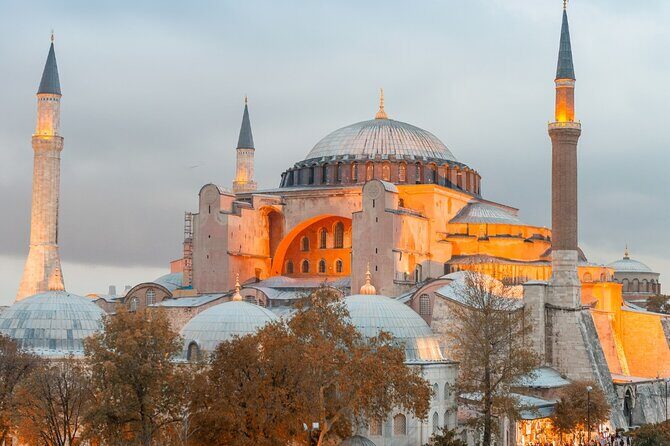
Sultanahmet is where many first-time visitors start, and it can still feel overwhelming. The tour handles that by stacking major sites with meaningful “connective tissue” stops—places that explain the political and religious story behind the postcards.
You begin at the meeting point near Yerebatan Caddesi Alemdar (Fatih). From there, Day 1 moves through seven stops, with several entries marked as free and others requiring you to pay your own admission. Total walk time varies by pace, but you should expect a day that’s best matched to moderate physical fitness.
Stop 1: Sultanahmet District (the historical heart, minus the noise)
This start isn’t just a “location intro.” It’s meant to help you get your bearings quickly—then go deeper into the district’s smaller, less-touristy corners. You’ll get historical anecdotes that aim to personalize the area, not just label it.
If you’ve ever felt lost in a big city on day one, this is the antidote. A good start turns the rest of the day from a list into a story you can follow.
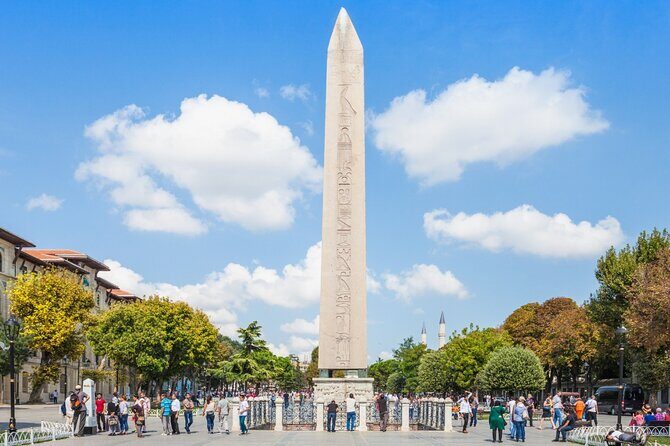
Stop 2: Hippodrome (Byzantine power struggles, not only chariots)
The Hippodrome is mostly seen as a remnant today, but the tour treats it like a political stage. You’ll look at what’s left of the ancient chariot-racing arena and hear how the arena mattered to Byzantine politics—plus lesser-known stories of internal power struggles.
This is a smart stop because it stops you from thinking of Istanbul’s past as only architecture. It reminds you that public spaces were also where people argued about power.
Stop 3: Hagia Sophia Grand Mosque (architecture lessons and quieter viewpoints)
This is one of the day’s main anchors. You’ll step inside Hagia Sophia and get more than broad impressions. The guide focuses on architectural techniques and how the building’s cultural role shifted across centuries.
One of the most practical benefits here is the access angle: you’ll get help finding off-the-beaten-path viewpoints within Hagia Sophia. In a building that fills with crowds, that can change your experience dramatically. You’re not only hunting for the best photo spot—you’re also learning where to stand to understand the structure.
Important note: Hagia Sophia’s admission is not included, so plan your budget and bring what you need for entry.
You can also read our reviews of more historical tours in Istanbul
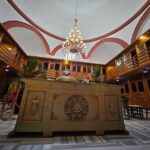
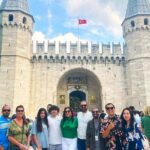
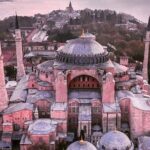

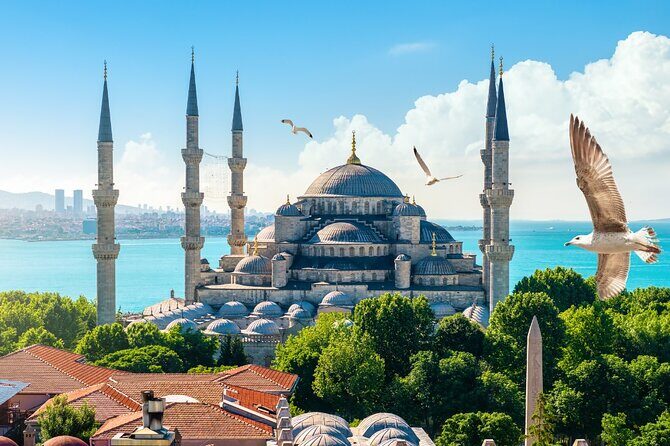
Stop 4: Blue Mosque (interior plus peaceful courtyards)
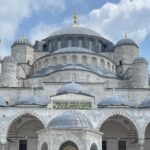
Next comes the Blue Mosque, where the visit includes the interior and a stroll through the courtyards. The guide also shares stories about the mosque’s place in modern Turkish life, which keeps the visit from turning into a pure history lecture.
Courtyards matter here. They’re a chance to slow down and reset before the heavier touring continues.
Blue Mosque admission is listed as free for this tour, so you’re mainly paying for your own time here, not an extra ticket through the operator.
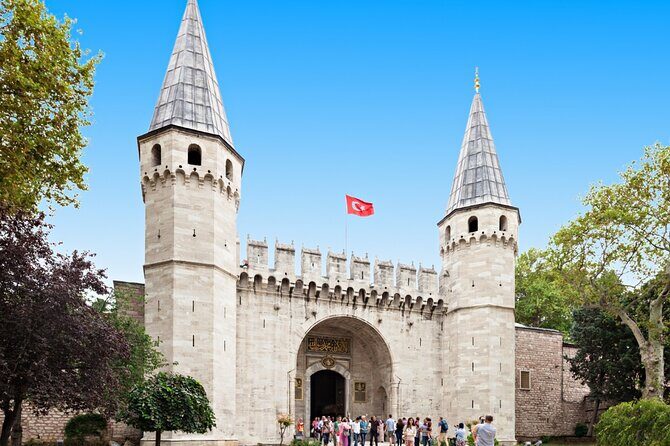
Stop 5: Topkapi Palace (hidden chambers and the sultans as people)
Topkapi can be a lot. It’s huge, and big palaces can become “room after room.” The tour tries to reduce that fatigue by focusing on hidden courtyards and chambers that are often skipped on larger groups.
The explanation also shifts away from just palace grandeur. You’ll hear about the personal lives of the sultans and the intriguing world behind palace walls, which is a more human way to understand power.
Topkapi Palace admission is not included, so budget for it. Also, the pace here is where a flexible guide makes a big difference, and you’ll have that benefit with a private group.
Stop 6: Grand Bazaar (how to browse, compare, and bargain without panic)
Then the route turns toward shopping—not as a forced stop, but as an experience with guidance. The Grand Bazaar portion focuses on the more local way of walking it: famous areas plus lesser-known artisanal shops.
You’ll get personalized advice on bargaining and on finding items that feel genuinely high-quality, not just flashy souvenirs. That kind of practical shopping coaching is valuable if you hate feeling pressured or if you’re trying to buy gifts you’ll actually use.
Admission for this stop is listed as free.
Stop 7: Misir Carsisi (Spice Market) (sample first, then buy)
The Spice Market is fun in the way food markets are fun: it’s sensory, fast-moving, and easy to overspend. Here, the guide helps by introducing specific stalls known among locals and often overlooked by tourists.
You’ll also get a chance to sample and buy spices and sweets, with insider tips on how to use what you purchase. This is one of those “you’ll thank yourself later” stops, because spices and cooking staples are easier to enjoy back home than another bag of magnets.
Admission for the Spice Market is listed as free.
Day 2: Bosphorus cruise, Dolmabahçe Palace, Taksim, and Istiklal’s side streets
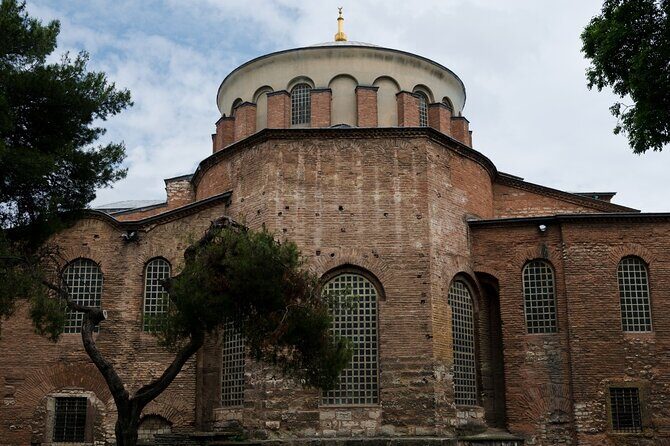
Day 2 changes the texture of the trip. You leave the old-city monuments and move toward water views, Ottoman-to-republic storytelling, then modern neighborhoods where the city shows its current personality.
Stop 1: Bosphorus Strait (two shores, local legends, and shared boat space)
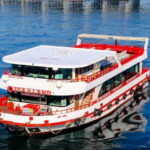
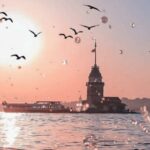
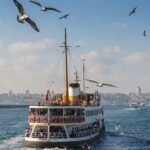
The Bosphorus cruise gives you a closer look at both the European and Asian shorelines, and the guide adds stories and local legends about life along the water.
Key caution: this is not a private boat. That means you’ll be cruising with other passengers, so the experience is more about the route and narration than about exclusive atmosphere.
Admission is not included, so plan that as a separate cost. Still, this is a strong way to connect the city’s geography to its history.
Stop 2: Dolmabahçe Palace (Ottoman endgame to the new republic)
Dolmabahçe Palace is where Istanbul’s political timeline becomes visible in rooms and artifacts. The tour focuses on its role during the Ottoman Empire’s final years and how it became a symbol of the Turkish Republic.
The guide also aims at rarely discussed rooms and artifacts, which is a good strategy. Palace visits can become repetitive if the explanation is only general. Here, you should expect a more pointed narrative.
Admission is not included.
Stop 3: Taksim Square (modern pulse plus social movement context)
From palace to street energy, Taksim Square is the modern pulse of Istanbul. You’ll spend time seeing more than shopping and dining and hear how the square connects to Turkey’s social movements, plus contemporary cultural hotspots and street performances.
This stop works well after Day 1 because it makes the city feel current. You’re not only learning what Istanbul used to be; you’re learning what it still fights about.
Admission for this stop is free.
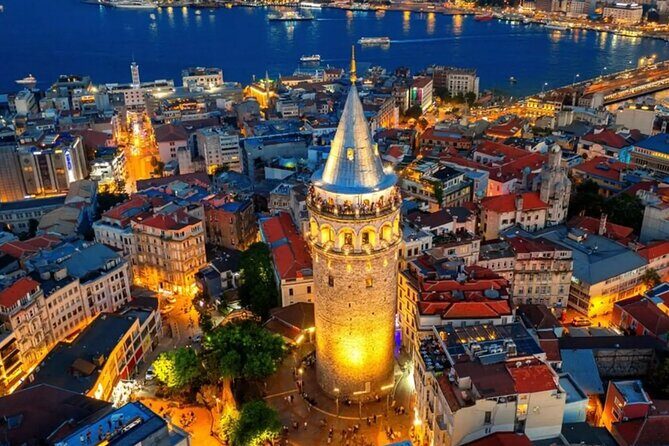
Stop 4: Istiklal Caddesi (shopping street, hidden alleys, and rooftop views)
Istiklal is famous, but the tour plans for the parts visitors miss. You’ll walk through hidden alleyways and historical buildings along Istiklal, with time to notice art galleries and get pointed to rooftop cafes with views.
Admission for this stop is free.
This is also a nice moment for you to decide how your evening should go, because you’ll end this day with a better sense of where you’d actually want to return on your own.
Tickets and timing: how to budget without surprises
The tour lists several admissions as free and several as not included. Here’s the practical way to think about it:
- Inclusions flagged as free on the schedule include the Sultanahmet District, Hippodrome, Blue Mosque, Grand Bazaar, and the Spice Market.
- Admissions flagged as not included include Hagia Sophia Grand Mosque, Topkapi Palace, Bosphorus Strait cruise, and Dolmabahçe Palace.
So while the tour price is very competitive for a two-day private experience, your total cost will depend on what you pay for entry fees on those specific stops.
Also remember the itinerary allows extra time for real-world delays. If you’re the type who likes to keep a “buffer” for photos, snack breaks, and bathroom stops, this timing should feel comfortable.
If you choose it, the fast track ticket option can help skip some of the worst queue time at major attractions. That’s especially helpful at high-demand sites like Hagia Sophia.
Shopping for spices and Turkish crafts with a guide in your corner
One reason this tour scores high for value is that it treats shopping like a skill, not just a detour. The Grand Bazaar stop is built around bargaining guidance and advice for finding authentic, high-quality items. The Spice Market stop is built around sampling first and learning how to use what you buy.
If you’ve ever left a bazaar feeling like you overpaid, this format helps you avoid that. A guide can also keep you focused on what you actually want: a few spices you’ll use, a thoughtful gift, or something handmade.
There’s also a note in the included features about Turkish handicrafts through art and shopping experiences in GORDES. The itinerary you’ll follow during your dates focuses on Istanbul stops, so I’d ask the provider how (or if) that GORDES handicraft element is integrated for your specific booking. It’s the kind of detail that can affect how long you spend on shopping versus sightseeing.
Private means personal: what the guides do with your pace
A big part of why this tour feels worth it is the private setup. It isn’t just “no strangers next to you.” It’s that your guide can shape the day around how you move.
One review specifically praised the guide’s patience when a partner had an injury, noting that the group was able to go slower and still cover everything. That’s exactly what you want to hear before a packed two-day plan.
If you get a guide like Sema, you should expect clear, calm communication and a focus on making the visit workable for your group. Even if nobody has an injury, it’s the difference between a strict timetable and a day that feels human.
You’ll also have bottled water, soft drinks, and snacks ready, which helps reduce the “we’re too tired to keep going” moment that ruins the end of a day.
Who should book this tour
This tour fits best if you:
- Want a private experience without giving up key Istanbul landmarks
- Like learning stories that connect politics, religion, architecture, and daily life
- Plan to do some shopping, especially spices and locally made items
- Appreciate a guide who can adjust pace when needed
It’s less ideal if you:
- Hate paying admissions on major stops
- Don’t want any crowd time at all (the Bosphorus cruise is not private)
- Prefer ultra-light sightseeing with minimal walking
Should you book this tailored Istanbul cultural tour
I’d book it if you’re traveling as a small group (up to 6) and you want Istanbul to feel structured but still flexible. The combination is strong: old-city sights on Day 1, water and palace storytelling on Day 2, then modern neighborhoods where you can keep exploring after the tour ends.
The value argument is simple: for the cost of a private guide over two days, you’re getting a full itinerary that includes practical support (snacks, water, optional fast track) and shopping guidance that can save you money and stress.
If you’re comfortable budgeting for admissions to Hagia Sophia, Topkapi, Dolmabahçe, and the Bosphorus cruise, this is a smart way to see more—and understand more—than you would on a standard group tour.
FAQ
Is this tour private?
Yes. Only your group participates.
How many people can be in the group?
The price is per group for up to 6 people.
What language is the tour offered in?
The tour is offered in English.
How long is the experience?
It’s listed as about 2 days.
Are tickets included for every stop?
No. Some major attractions have admission not included, including Hagia Sophia Grand Mosque, Topkapi Palace, Dolmabahçe Palace, and the Bosphorus Strait cruise.
Does the tour include a fast-track option?
Yes, a fast track ticket option is available to help skip long queues.
Is the Bosphorus cruise private?
No. The note says this is not a private boat.
Where do we meet and where does it end?
It starts at Yerebatan Caddesi Alemdar, Yerebatan Cd., 34110 Fatih/İstanbul, and ends back at the meeting point.