REVIEW · ISTANBUL
Private Walking Tour: Hippodrome, Blue Mosque, Hagia Sophia
Book on GetYourGuide →Operated by Booking Guide Turkey · Bookable on GetYourGuide
Three icons, one short walk through empires. In about four hours, you link the Roman Hippodrome, the Blue Mosque, and Byzantine-masterwork Hagia Sophia into one easy-to-follow story of Istanbul’s layers. I like that the tour keeps the big moments human: what you see, why it was built, and how each empire left its mark in the same neighborhood.
The main thing to watch is timing at the Blue Mosque. Based on recent bookings, renovations can limit what you’re able to see—sometimes the interior is off-limits or visibility is restricted—so you may need to adjust expectations on the spot.
This is a small-group experience (limited to 10) with an English live guide, so you can ask questions as you go. You’re walking through Sultanahmet, where these landmarks sit close enough that you’re not burning time on transit between stops.
In This Review
- Key highlights worth planning for
- Why Sultanahmet makes this tour feel efficient
- The Blue Mosque: Iznik tiles, six minarets, and the renovation reality
- The Roman Hippodrome: seeing Istanbul’s old crowd energy in one square
- Hagia Sophia: Justinian’s dome, Byzantine mosaics, and Ottoman layers
- The private-guide advantage: pacing, context, and smart extras
- Price and value: what $117 covers and what you should budget for
- Who should book this tour (and who should skip it)
- Should you book this Istanbul Sultanahmet walking tour?
- FAQ
- How long is the tour?
- What’s included in the price?
- Is there an English-speaking guide?
- What group size is this tour?
- Is the tour available on Mondays?
- What’s the cancellation policy?
Key highlights worth planning for
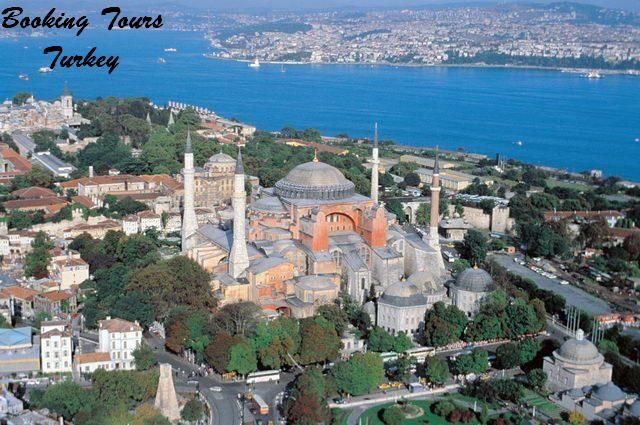
- Sultanahmet on foot: three headline monuments in one compact historic zone
- Blue Mosque details: Iznik tiles, calligraphy, stained-glass light, and courtyard views
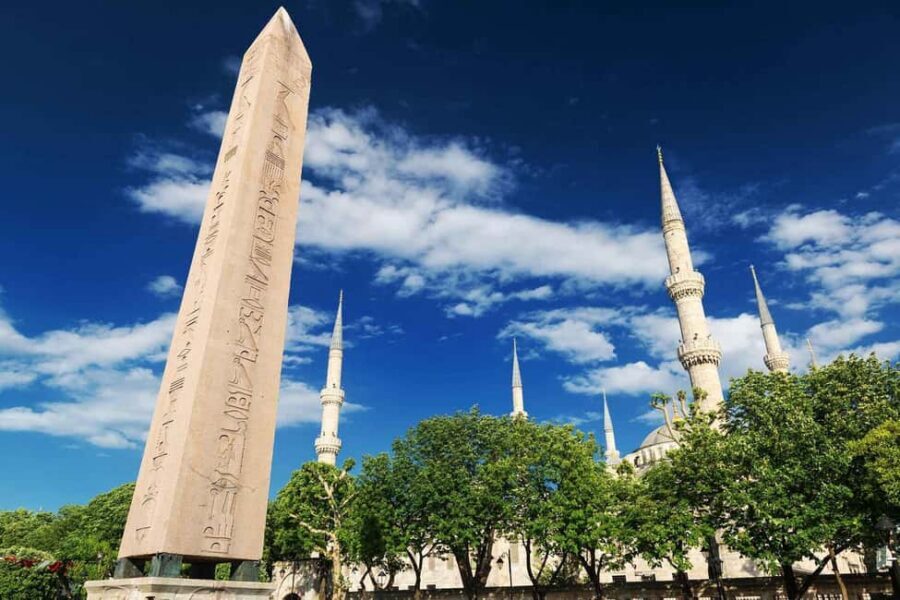
- Hippodrome relics: Obelisk of Theodosius and the Serpent Column in Sultanahmet Square
- Hagia Sophia’s dome effect: the famous sense of a “floating” dome over the nave
- Byzantine art inside Hagia Sophia: mosaics, paintings, and sculpture themes
- Guides who go beyond facts: I’ve seen examples of guides staying helpful even after the tour
Why Sultanahmet makes this tour feel efficient
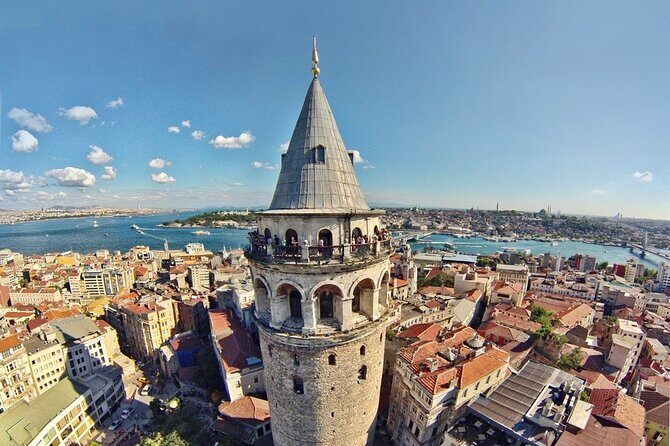
Sultanahmet is one of those parts of Istanbul where the past stacks up fast. You can stand in the Roman world, look at the Ottoman skyline effect, and then step into the middle of the Byzantine story without moving too far.
That’s why this half-day 4-hour format works. You get enough time at each stop to understand what you’re seeing, but you’re not stuck all day in lines and long gaps. It’s also a smart choice if you want the “greatest hits” of Istanbul’s historic core while still having energy left for other neighborhoods afterward.
The tour is led by an English-speaking guide, and that matters here. These buildings aren’t just pretty; they’re packed with symbolism—politics, religion, and artistic technique all wrapped into stone, tile, and glass. A guide helps you see patterns across centuries instead of treating each site like a separate photo spot.
You can also read our reviews of more walking tours in Istanbul



The Blue Mosque: Iznik tiles, six minarets, and the renovation reality
You start with one of Istanbul’s most recognizable silhouettes: the Sultanahmet Mosque, known as the Blue Mosque. It was built in the 17th century during the reign of Sultan Ahmed I, and the exterior design is made to impress even from a distance—especially the six minarets and the spacious courtyard.
Inside is where the theme really locks in. The mosque gets its nickname from dazzling Iznik tiles in rich shades of blue, paired with calligraphy and stained-glass windows that throw light across the interior. The guide’s storytelling helps you notice the design choices instead of only admiring the view.
Now, the practical catch: the Blue Mosque has been under renovation, and that can change what you experience. In recent experiences, the mosque was closed during renovation periods, and in other cases it was only partially visible inside and out. So even if the tour description sounds like a full interior visit, you may run into a restricted schedule.
My advice is simple: be ready for a plan B mindset. If you can’t enter the interior, you’ll still get a lot from the courtyard setting, the tile patterns you can see from accessible areas, and the guide’s context. And if entry is available, go slow once you’re inside. The point isn’t to rush through; it’s to look at how the artwork and architecture guide your eye.
The Roman Hippodrome: seeing Istanbul’s old crowd energy in one square
Between the big icons, you hit Sultanahmet Square, once the site of the Roman Hippodrome of Constantinople. This is the part of the tour that often surprises people, because it’s not a single building you walk into—it’s a set of surviving relics that let you imagine the noise of a former arena.
The guide takes you past landmark pieces like the Obelisk of Theodosius and the Serpent Column. Even though the arena is long gone, these objects are like anchors. You can picture the chariot races, the festivals, and the crowds reacting in real time, right here in the heart of the city.
What I like about this stop is how it sets your timeline. The Hippodrome helps you understand that Constantinople wasn’t only temples and palaces; it was also entertainment, public space, and street-level politics. When you move from these relics to the mosques and churches later, you feel the shift from civic spectacle to imperial religious power—and you notice it faster.
The Hippodrome relics are also a good “reset” moment during a walking tour. You’re outside, you can step back and take photos, and you get a breather before stepping into Hagia Sophia’s heavy-hitting interior atmosphere.
Hagia Sophia: Justinian’s dome, Byzantine mosaics, and Ottoman layers
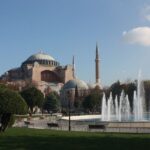
Then you move to the main event: Hagia Sophia. Built in 537 AD under Emperor Justinian, it became the largest church in the world for over a thousand years. The structure is famous for the dome effect—how it seems to float above the nave—and that design logic influenced architects for centuries afterward.
Inside, the artistry turns into the real wow factor. You’ll see Byzantine mosaics, plus paintings and sculpture-style elements that tell stories tied to emperors, saints, and the divine. The guide’s job here is to help you read the imagery so it feels less like decoration and more like a visual language.
There’s also the big historical twist. After the Ottoman conquest in 1453, Hagia Sophia was converted into a mosque, which blended Islamic and Christian traditions in one building. Today it’s often treated as a symbol of cultural harmony and resilience, not just a monument to one religion or one ruling family.
One practical note: Hagia Sophia is a high-demand site. Going with a guide helps you stay oriented in the space and understand what you’re looking at—especially when you’re surrounded by visitors and the building’s scale can make it hard to choose what to focus on.
If you care about art that carries meaning, Hagia Sophia is where the tour earns its keep. You’re not just seeing architecture; you’re seeing how power, faith, and craft show up in the same interior surfaces again and again.
The private-guide advantage: pacing, context, and smart extras
This is billed as a private half-day walking tour, and in practice, the value comes from how your guide handles the flow. With a small group (up to 10), you get less of the herd feeling and more room for real questions.
I like tours where the guide connects visuals to purpose. For example, knowing that the Blue Mosque’s identity is tied to Iznik tiles changes how you look at the interior. And understanding Hagia Sophia’s timeline—Justinian’s church, then the Ottoman conversion—helps you see the building as a living archive rather than a static “must-see.”
Recent experiences also show guides going beyond the minimum. One guide named Josh was described as outstanding—personable, knowledgeable, and worldly. Another guide, Idyll, was praised for being responsive, and after the tour she helped by showing the way to the Basilica Cistern. That kind of follow-through can be a real time-saver when you’re trying to build a smooth itinerary.
So even if you already know the landmark names, the guide’s explanations help you get more out of the visit. You’ll likely remember stories and details, not just the silhouettes.
You can also read our reviews of more private tours in Istanbul




Price and value: what $117 covers and what you should budget for
At $117 per person for about 4 hours, you’re paying for an English live guide and the convenience of having a clear route through three top sites in Sultanahmet. In this part of Istanbul, that’s often worth it because entrance tickets and time costs can add up quickly when you’re planning on your own.
Just remember: entrance fees aren’t included. So you’ll want to budget extra for tickets separately for the sites you enter. Also, the tour includes the guide only, plus your time on foot.
The value sweet spot is simple. This tour works best when you want structure, context, and someone to guide your priorities. If you love wandering on your own and you already know what you want to see inside each monument, you might be able to do it cheaper independently. But if you want the “why” and not just the “what,” the guide fee is the point.
Who should book this tour (and who should skip it)
This tour is a good fit for:
- You want Sultanahmet’s biggest landmarks without planning a step-by-step route
- You enjoy architecture with context, not just quick photo stops
- You like small groups where you can ask questions and keep a natural pace
- You’re on a limited schedule and want a strong half-day anchor
It might be less ideal if:
- You’re only interested in a specific interior experience at the Blue Mosque and you can’t tolerate the chance of renovation restrictions
- You prefer fully independent travel with no guide interpretation at all
- You want a very slow, sit-down style museum day (this is designed as a walk-through experience)
If your top priority is to see every interior, I’d still book—but keep a flexible mindset if renovation affects access. Hagia Sophia is the other major anchor, and it’s the stop where you’ll likely get your biggest interior payoff either way.
Should you book this Istanbul Sultanahmet walking tour?
I’d book this tour if you want a clean, efficient way to connect the Roman Hippodrome, the Blue Mosque, and Hagia Sophia into one story. The route is practical for first-timers, and the guide element is the difference between collecting snapshots and actually understanding what you’re seeing.
If your travel dates line up with Blue Mosque renovations, you might lose access to part of what you were hoping for. Still, even with reduced access, you’ll walk through the historic heart of Sultanahmet and get guided context that makes the relics and architecture land better.
My bottom line: for most visitors, this is a strong value way to experience Istanbul’s timeline in one short window. Just plan your expectations around the possibility of renovation-related access changes at the Blue Mosque.
FAQ
How long is the tour?
It lasts 4 hours.
What’s included in the price?
The tour includes a guide. Entrance fees to attractions and personal expenses are not included.
Is there an English-speaking guide?
Yes. The live tour guide speaks English.
What group size is this tour?
It’s limited to a small group of up to 10 participants.
Is the tour available on Mondays?
No, it is not available on Monday.
What’s the cancellation policy?
You can cancel up to 24 hours in advance for a full refund.