REVIEW · ISTANBUL
Western Turkey Explorer – 6 Days
Book on Viator →Operated by Tour Altinkum Travel · Bookable on Viator
I’ve always liked routes that cut the hassle. This one gives you a guided hit of major Western Turkey sites with hotel nights in the right places and easy airport pickup. I love the way it mixes big names like Topkapı Palace and Hagia Sophia with war history at Gallipoli. I also like that the pacing is built around an air-conditioned vehicle, so the travel days don’t feel as punishing. One thing to plan for: entry tickets are not included, and several stops are ticketed, so you’ll want to budget ahead.
What makes it work well for your trip is the format: small group (up to 12), a start time of 8:00 am, and the option to personalize the day’s focus. If you’re lucky and your guide is someone like Efe or Emrey (names that show up in past feedback), you’ll likely get clear explanations without the museum-droning feeling. The big-picture drawback is simply the schedule intensity: you’ll see a lot, including a very long travel day, so comfort shoes and a flexible attitude help.
In This Review
- Key Highlights You’ll Feel Right Away
- How This 6-Day Route Handles Travel Stress (Without Cutting the Sights)
- Comfort you can actually count on
- The big catch: you pay for entrances
- Istanbul Day 1: Old-City Classics in a Tight, Efficient Loop
- Topkapı Palace: More than a pretty courtyard
- Hagia Sophia Grand Mosque: Byzantine-to-Ottoman scale
- Blue Mosque and the Hippodrome: the skyline story
- Grand Bazaar: Great for browsing, not for rushing
- Istanbul Day 2: Gallipoli’s ANZAC Battlefields and the Myth of Troy
- The ANZAC Battlefields: places with names you already know
- Troy (Truva): short walk, big legends
- The real-world side: your day is long
- Pergamon and the Asclepion: Aegean Antiquity Beyond the Usual Stops
- Pergamon Ancient City: where cultures stacked over time
- The Asklepion: ancient health, real ruins
- Transfer to Kuşadası
- Ephesus Day: Mary’s House, Ephesus Streets, and the Temple of Artemis
- Meryemana (The Virgin Mary’s House): calm, symbolic, and short
- Ancient City of Ephesus: walking makes it click
- Temple of Artemis: even if it’s small, it’s still the idea
- Pamukkale and Hierapolis: White Terraces Plus Roman Ruins
- Pamukkale Thermal Pools: the famous terraces
- Hierapolis: Roman ruins over thermal water
- Finishing the trip
- Value and What You’re Actually Paying For at $950
- Why the price can still feel fair
- The realistic drawback
- The Best Fit: Who This Trip Helps Most
- Should You Book Western Turkey Explorer?
- FAQ
- What time does the tour start?
- Is airport pickup included?
- How big is the group?
- Are entry tickets to historical sites included?
- What meals are included?
- Where do you stay overnight during the trip?
- Is it possible to personalize the itinerary?
- What happens if a site is closed on your travel dates?
Key Highlights You’ll Feel Right Away
- Airport pickup that gets you to the hotel fast after Istanbul arrival
- Small-group size (max 12) for more direct time with your guide
- Skip-the-line support for historical sites, even though entry fees are separate
- Comfort-focused transfers in an air-conditioned vehicle
- Hotel bases in key towns: Istanbul, Kusadası, and Çanakkale for less backtracking
- 5 breakfasts and 5 lunches included, so you’re not hunting meals all day
How This 6-Day Route Handles Travel Stress (Without Cutting the Sights)

This is the kind of trip where you trade some freedom for saved energy. You’re not driving yourself across Turkey. You’re moving from Istanbul toward the Dardanelles, then on to the Aegean and into inland thermal-country, all with guided stops along the way.
The group size stays small (up to 12), which matters in places like Ephesus where lines, crowds, and finding your way can slow you down. You also start at 8:00 am, so you’re using the best daylight hours for the main sights.
You can also read our reviews of more tours and experiences in Istanbul.



Comfort you can actually count on
The itinerary is designed around comfortable transportation and scheduled time at each major site. Expect a mix of guided walking and time to move at your pace once you’re inside a place. The tour notes that the operator uses air-conditioned vehicles for travel within the route, and they also mention using planes between destinations to make transfer time easier.
The big catch: you pay for entrances
The tour includes skip-the-line handling, but it does not include historical site entry fees. That means you’ll still have to budget separately for tickets like Topkapı Palace and places in Ephesus and Pamukkale/Hierapolis. The good news: skipping long ticket lines can save real time when you’re trying to fit multiple stops in one day.
Istanbul Day 1: Old-City Classics in a Tight, Efficient Loop
Day 1 is built for first-timers and people who want a strong Istanbul base without getting lost. You start with Topkapı Palace, then move through the main symbolic sights of the old city area: Hagia Sophia, the Blue Mosque, the Hippodrome, and the Grand Bazaar.
Topkapı Palace: More than a pretty courtyard
Topkapı Palace was the imperial residence of the Ottoman Sultan and also the seat of government for centuries. You’ll spend about 2 hours here, which is enough time to see the standout sections without getting stuck in a full-day palace marathon. If you like how empires worked, this is where the details start to click.
Ticket note: admission is not included, so you’ll want to plan that cost before you go.



Hagia Sophia Grand Mosque: Byzantine-to-Ottoman scale
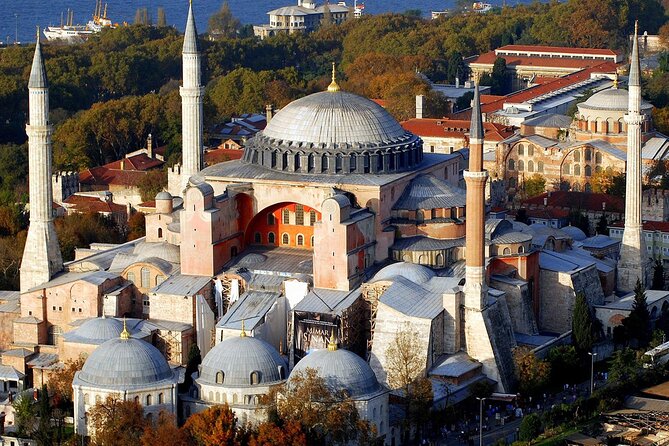
You’ll get about an hour at Hagia Sophia Grand Mosque. It’s described as a massive religious center during the Byzantine period, and that “big building energy” is real when you’re standing inside.
Ticket note: admission is not included here either.
Blue Mosque and the Hippodrome: the skyline story
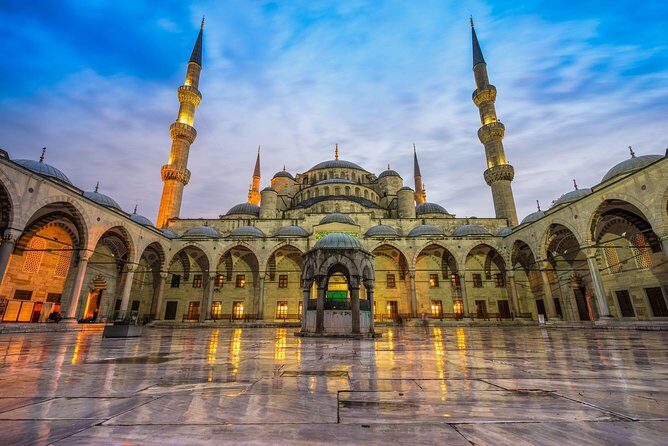
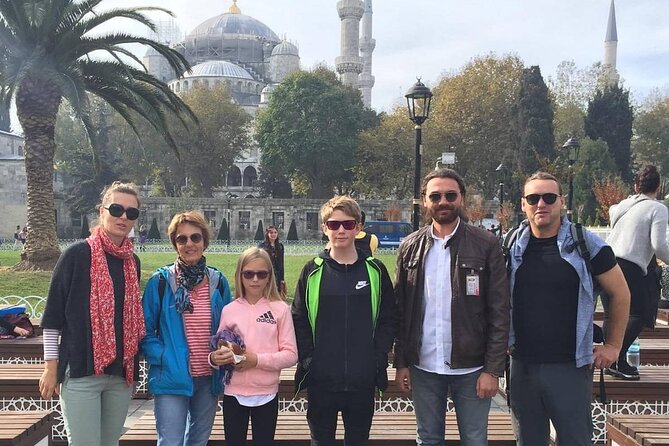
The Blue Mosque is a familiar Istanbul icon, built by Sultan Ahmet I, with its famous six minarets and a big domed presence. Admission for this stop is free on the tour listing, and you’ll have about an hour.
Right nearby, you’ll also do a shorter stop at the Hippodrome. Even with only about 30 minutes, it gives context for the city’s civic life—once a place that could hold huge crowds.
Grand Bazaar: Great for browsing, not for rushing
Then it’s the Grand Bazaar: lots of entrances, thousands of shops, and that classic maze feeling. You’ll get around 2 hours. This is one of the best stops on the trip for slowing down a bit—though it’s still easy to feel overwhelmed if you’re not in browse mode.
Ticket note: admission is free.
Istanbul Day 2: Gallipoli’s ANZAC Battlefields and the Myth of Troy
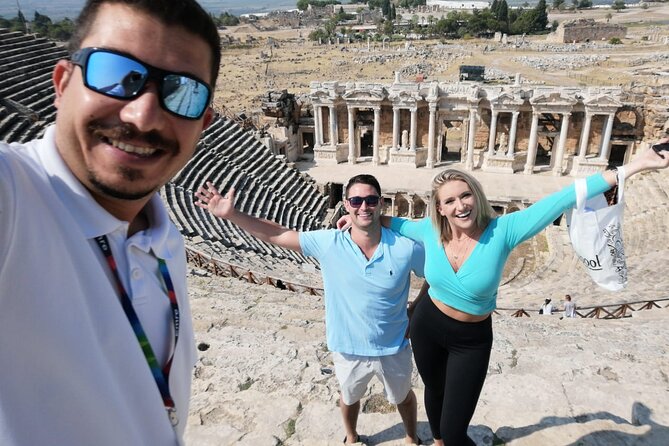
This is where the trip turns from city sightseeing to story-driven history. You leave Istanbul in the morning and spend the day in the Dardanelles area, guided through Gallipoli, then wrap with Troy and overnight in Çanakkale.
The ANZAC Battlefields: places with names you already know
Gallipoli is covered with a guided walkthrough of key memorial and battlefield sites, including Brighton Beach, ANZAC Cove, Beach Cemetery, and Lone Pine Australian Memorial. You’ll also visit Turkish and allied tunnels and trenches at Johnston’s Jolly, plus the 57th Regiment Turkish Memorial and Chunuk Bair New Zealand Memorial.
This stop is around 2 hours. It’s long enough to connect the names to geography, but short enough that you’re not stuck on a single theme all day without breaks. If you want history that feels human instead of textbook-flat, this is a strong day.
Ticket note: admission is marked as free on the listing.
Troy (Truva): short walk, big legends
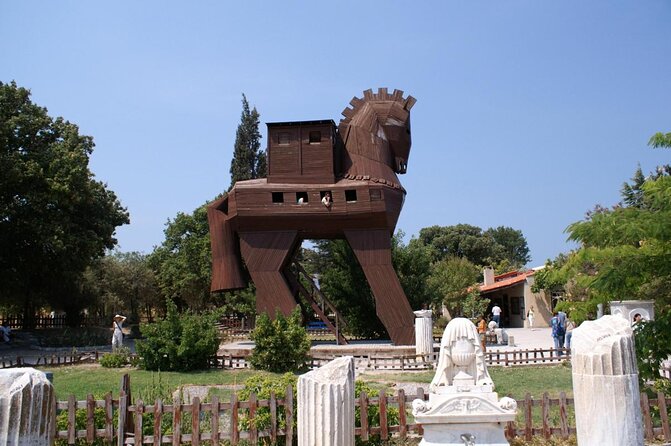
After Gallipoli, you’ll head to Troy Archaeological Site. You’ll spend about 1 hour wandering the area where the Trojan War stories gained traction in Western imagination—walls, a temple area, and the kinds of structures that make you understand why poets kept coming back.
Ticket note: admission is not included.
The real-world side: your day is long
Your schedule here includes a substantial transit day. The day totals roughly 10 hours with travel, the Gallipoli guided portion, and Troy. Plan on being mentally “on” for a lot of the day. If you’re the type who needs downtime between sites, I’d lean into longer lunch rests and keep your evening simple in Çanakkale.
Pergamon and the Asclepion: Aegean Antiquity Beyond the Usual Stops
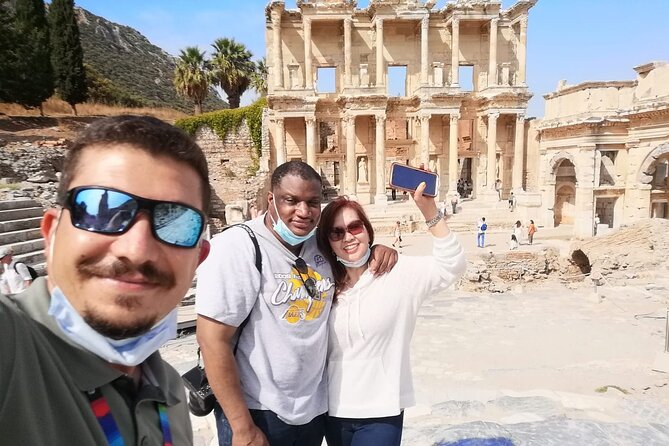
On Day 4, you start in Çanakkale, head toward Pergamum, then continue to Kuşadası for an overnight. This day is about Hellenistic and ancient-medical significance, not just monumental ruins.
Pergamon Ancient City: where cultures stacked over time
You’ll spend around 2 hours at the Pergamon Ancient City site. It’s described as a capital for nearly four hundred years and a place where different periods—Stone and Bronze Ages through Archaic and Classical—left their mark.
What I like about this stop is that it can feel less crowded than some of the absolute mega-sites. You can connect the timeline without constantly fighting for space.
Ticket note: admission is not included.
The Asklepion: ancient health, real ruins
The Asclepion is one of those stops that adds a different kind of depth. It’s framed as the Pergamum God of Health, tied to Asclepius dietary medicine and long use as a health center for centuries.
This is around 2 hours, and it’s the kind of place where explanations help. Even if you’re not a medical history fanatic, the idea that healing and ritual were connected will make you look at the ruins differently.
Ticket note: admission is not included.
Transfer to Kuşadası
After Pergamon and Asclepion, you drive to Kuşadası and sleep there. You’ll spend about 3 hours driving. This matters because Kuşadası is a convenient base for the Ephesus area the next day—so you’re not waking up and immediately doing a long commute when you want maximum energy for ruins.
Ephesus Day: Mary’s House, Ephesus Streets, and the Temple of Artemis
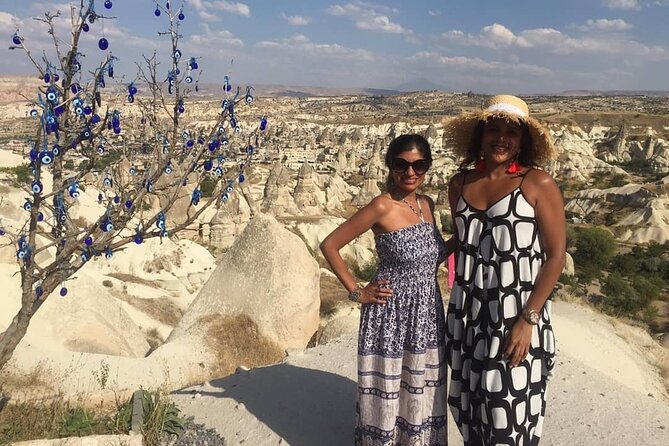
Day 5 is the payoff day for many people. It’s a blend of Christian tradition and ancient Greek-Roman city planning, capped by the Temple of Artemis.
Meryemana (The Virgin Mary’s House): calm, symbolic, and short
You’ll visit Meryemana, with about 1 hour on site. It’s described as a church built from the 6th century AD, associated with an earlier house site from the 1st century AD.
If you’re expecting a huge archeological complex, you might find it more reflective than expansive. That’s not bad. It works as a reset before Ephesus.
Ticket note: admission is not included.
Ancient City of Ephesus: walking makes it click
Ephesus is the big one here, with about 2 hours on the main city ruins. It’s described as the best-preserved classical city in the Eastern Mediterranean, second largest in the ancient world after Rome, with 250,000 citizens at its peak.
You’ll see highlights like the library area and major theater space, plus the sense that you’re walking through a well-organized urban plan. If you like ancient engineering and city layout—streets, monuments, and public spaces—this is where you’ll get your money’s worth.
Ticket note: admission is not included.
Temple of Artemis: even if it’s small, it’s still the idea
You’ll also visit the Temple of Artemis, listed as free on the tour. It’s tied to one of the Seven Wonders of the Ancient World and the cult of Artemis that made Ephesus a pilgrimage destination.
In practical terms, this is a good last stop because it’s easier to process after you’ve toured the city itself. The temple story lands better when your brain already has the Ephesus map.
Ticket note: free entry for this stop.
Pamukkale and Hierapolis: White Terraces Plus Roman Ruins
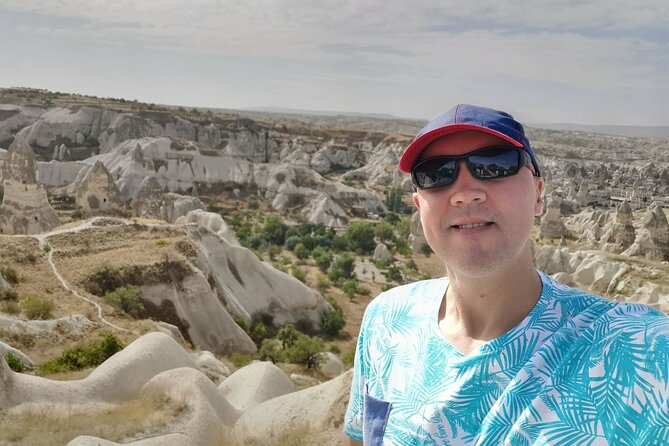
Day 6 shifts gears again: from city life to nature-like terraces and thermal history. You’ll spend time at Pamukkale Thermal Pools, then visit Hierapolis, and finally end with a transfer to Denizli Airport or a Pamukkale hotel area.
Pamukkale Thermal Pools: the famous terraces
You’ll get about 2 hours at Pamukkale. The tour describes it as Pools of Heaven on Earth, shaped by warm spring water at around 35°C with calcium bicarbonate. It’s a UNESCO World Heritage site.
This is one of those places where timing matters. Even with only 2 hours, you’ll want comfortable shoes, sun protection, and a flexible mindset. Terraces and walking surfaces can take a bit of attention.
Ticket note: admission is not included.
Hierapolis: Roman ruins over thermal water
After Pamukkale’s terraces, you’ll tour Hierapolis. This is about 1 hour, and the highlight is the big necropolis area with gravestones, plus the Sacred Pool where shallow thermal waters ripple over Roman ruins.
This stop is shorter than you might expect, but it’s efficient. The ruins and pool area tell you why people treated this region as both sacred and practical.
Ticket note: admission is free for this portion.
Finishing the trip
At the end, you’re driven to Denizli Airport or to a hotel in Pamukkale, depending on your request. Lunch and breakfast are included earlier in the trip, and the final day includes a breakfast-lunch package as noted.
Value and What You’re Actually Paying For at $950
At $950 per person, you’re paying for several things at once: guided time at multiple major sites, transfers between regions, and a multi-night stay in central, region-appropriate hotels. The tour also includes 2 nights in Istanbul, 2 nights in Kuşadası, and 1 night in Çanakkale.
You’re also getting meal value built into the schedule: breakfast is included 5 times and lunch 5 times. That matters because a day of touring can easily eat your budget on simple meals.
Why the price can still feel fair
Entry fees aren’t included, but the tour does offer skip-the-line ticket handling. In reality, time is a cost too, especially on a trip that packs Istanbul, Gallipoli, and Ephesus into one week.
Also, the operator explicitly notes hotels are special class and centrally located, not the kind of big-group places far from the action. Add small-group size (max 12) and airport transfers, and the price starts to make more sense.
The realistic drawback
If you’re trying to control costs tightly, the lack of included entrances is the big variable. You’ll need to plan extra money for tickets for Topkapı Palace, Hagia Sophia, Troy, Pergamon, the Asklepion, Ephesus, and Pamukkale Thermal Pools (as they’re marked not included).
The Best Fit: Who This Trip Helps Most
This tour is a good fit if you want a guided, structured path through Western Turkey and you’d rather not manage timing, tickets, or logistics across multiple regions.
It suits:
- People who love ancient sites but also want modern history like Gallipoli
- Travelers who prefer small-group guidance and comfortable transport
- First-time visitors to Istanbul who want a solid old-city overview fast
- Anyone who wants to see Ephesus and Pamukkale without turning it into a DIY scheduling project
It might be less ideal if you hate long travel days or you’re extremely sensitive to ticket costs since entrance fees aren’t included.
Should You Book Western Turkey Explorer?
I’d book it if you want a one-week version of Turkey’s greatest hits with guidance and minimal hassle. The combination of Istanbul classics, Gallipoli’s named battlefield stops, Troy, and Ephesus is a strong mix, and the Pamukkale/Hierapolis finale is a satisfying change of pace.
Before you say yes, do two quick checks: confirm your entrance-fee budget, and expect a busy schedule with big transit days. If that sounds like your style, this tour is a smart way to see a lot without wasting your vacation on logistics.
FAQ
What time does the tour start?
The meeting start time is 8:00 am.
Is airport pickup included?
Yes. Transfer services from/to airports are included, and pickup is offered.
How big is the group?
The tour has a maximum of 12 travelers.
Are entry tickets to historical sites included?
No. Entry tickets are excluded, though your guide provides skip-the-line tickets to help you avoid long ticket lines.
What meals are included?
Breakfast and lunch are included as mentioned in the itinerary (breakfast 5 times and lunch 5 times). Beverages with meals are not included.
Where do you stay overnight during the trip?
You’ll have 2 nights in Istanbul, 2 nights in Kuşadası, and 1 night in Çanakkale.
Is it possible to personalize the itinerary?
Yes. The itinerary can be customized to suit your interests with help from your guide.
What happens if a site is closed on your travel dates?
Some historical sites may be closed during religious or national holidays. You can contact the team before booking to confirm closure risk for your dates.