REVIEW · ISTANBUL
Crossroads of Humanity: Istanbul Half-Day Tour
Book on GetYourGuide →Operated by Gray Line Turkey · Bookable on GetYourGuide
Christian Istanbul starts here.
I like how this half-day tour uses the city’s most important buildings as a timeline you can see and photograph. You’ll move from the Orthodox Patriarchate area in Fener to Byzantine churches and monastery sites, with a guide who connects Constantine-era shifts, imperial religion, and everyday religious life to what you’re standing in front of.
Two things I’d highlight right away: first, the Byzantine architecture stops (mosaics, frescoes, and church plans) give you visuals you can actually remember, not just dates on a sign. Second, the format is practical and personal: you get private guiding in English or Spanish plus air-conditioned transport so the “half-day” feels like a real plan, not a frantic scavenger hunt.
One possible drawback to keep in mind: the route depends on opening hours and day-of-week closures, and it’s short on purpose. If you’re traveling on a day when a key site like St. Chora is closed, your experience may feel more “adjusted” than “perfectly booked.”
In This Review
- Key Highlights You’ll Feel Immediately
- Crossroads of Humanity: What This 4-Hour Tour Teaches
- Fener Patriarchate at the Start: Orthodox Roots in a City of Power
- Panagia of Blachernae: Hagiasma and the Healing-Fountain Tradition
- St. Savior in Chora (Kariye Museum): Mosaics and Frescoes That Feel Alive
- Zeyrek and Pantocrator: A Byzantine Complex With More Than Churches
- Pammakaristos at Fethiye: Paleologan-Era Refinement in Ruins
- Balıklı and Zoodochos Pege: Gold Fishes and an Underground Cistern
- St. Sergius and Bacchus: Why This “Mini Hagia Sophia” Matters
- Price and Logistics: Is $354 for 4 Hours Good Value?
- The One-Day-Closure Reality: How to Avoid a Disappointing Swap
- Who This Tour Fits Best (and Who Might Prefer Something Else)
- Final Call: Should You Book This Half-Day?
- FAQ
- How long is the Crossroads of Humanity Istanbul half-day tour?
- Is pickup included, and where does it work from?
- What time does the free shuttle pick-up happen?
- Do I need to buy museum tickets during the tour?
- What language options are available for the guide?
- Is St. Chora open every day?
- What should I bring with me?
- Are pets or smoking allowed?
Key Highlights You’ll Feel Immediately
- Fener Patriarchate context: understand why Istanbul became central to Orthodox Christianity.
- Hagiasma at Panagia of Blachernae: the story of holy water and cleansing traditions tied to an emperor’s visits.
- Kariye Museum mosaics and frescoes: some of the best-preserved Byzantine visual storytelling you’ll see in a few hours.
- Zeyrek’s Pantocrator complex: not just churches—also chapels, baths, and support spaces like hospice/hostel functions.
- Balıklı’s gold-fish myth and underground cistern: a dramatic, unusual stop that breaks up the church-and-monastery rhythm.
- St. Sergius and Bacchus as a Hagia Sophia precursor: smaller scale, big architectural meaning.
Crossroads of Humanity: What This 4-Hour Tour Teaches
This is the kind of tour that makes Istanbul’s “crossroads” label feel real. You’re not just watching history happen in the abstract. You’re tracing how faith, politics, and daily religious practice left physical marks—churches, monastery buildings, chapels, ruins, and even water-related sacred stories.
The biggest value for me is the pacing. Four hours sounds tight, but here it works because the stops are clustered around specific themes: Orthodox authority (Fener), Byzantine art (Chora/Kariye), imperial-era religious healing traditions (Blachernae), and the layered functions of church complexes (Zeyrek/Pantocrator). If you like your history tied to architecture and symbolism, this format fits well.
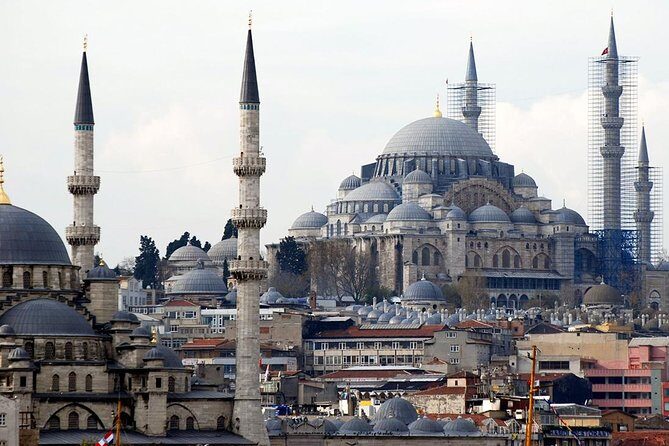
And yes, you’ll want your camera. A lot of what makes these sites memorable is the look: mosaics, frescoes, and the way Byzantine builders planned spaces for worship, care, and community.
You can also read our reviews of more tours and experiences in Istanbul


Fener Patriarchate at the Start: Orthodox Roots in a City of Power
You begin at the Patriarchate area in Fener, which is the Orthodox heart of Istanbul. The guide sets the stage here, and that matters because the rest of the route makes more sense once you understand what Istanbul represented to the early Christian world.
A key story you’ll hear is connected to Constantine the Great and the declaration of Christianity as the religion of the Roman Empire. The guide explains how that shift helped pull religious leadership into Istanbul—so when you later see Byzantine churches and ecclesiastical sites, you’re not just admiring buildings. You’re reading power on stone.
Practical tip: this opening stop works best if you’re ready to listen for a while. The Fener area can be busy, and starting with context helps you avoid turning the next sites into a blur.
Panagia of Blachernae: Hagiasma and the Healing-Fountain Tradition
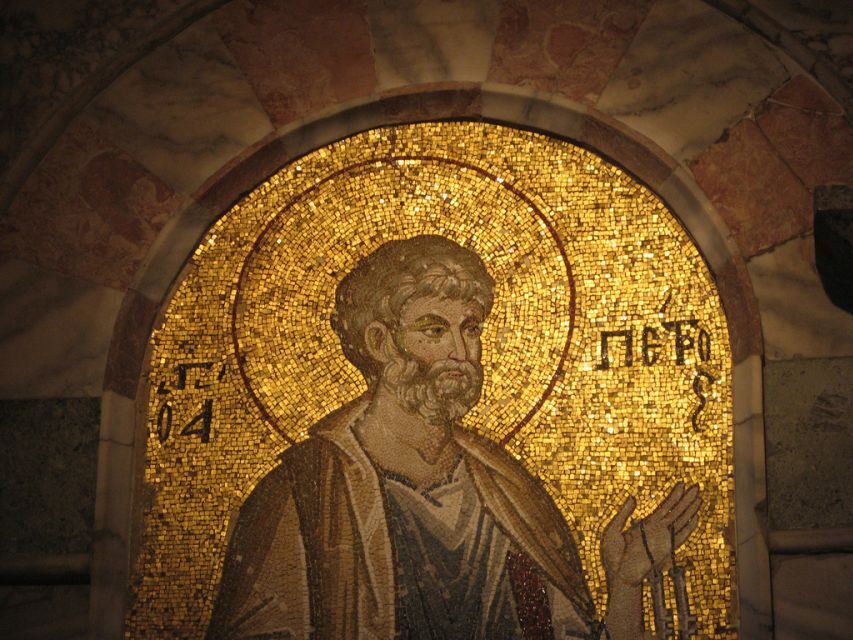
Next comes the Church of Panagia of Blachernae, where the Hagiasma—the fountain of holy water—plays a central role in the stories around the site. The tour frames it as more than legend. It’s tied to a tradition of cleansing and spiritual healing that even emperors were said to pursue.
What I like about this stop is the way it changes the mood. After listening to political-religious context at Fener, you get something more human: the desire for health, purity, and restoration expressed through a sacred water tradition.
Drawback to consider: if your interests are strictly architectural (mosaics, plans, styles), Blachernae may feel more story-forward than you expect. But even then, it adds a crucial piece to how people experienced Christianity beyond worship services.
St. Savior in Chora (Kariye Museum): Mosaics and Frescoes That Feel Alive
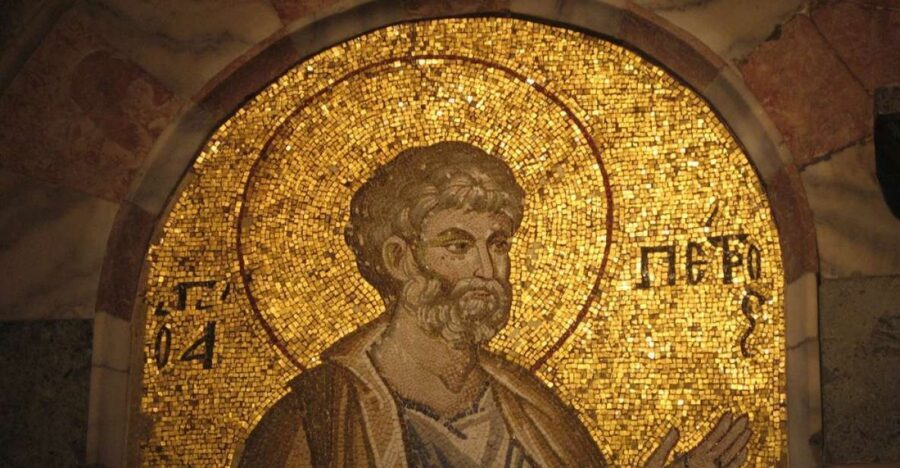
St. Savior in Chora is now known through the Kariye Museum name, and it’s a major reason people care about this route. The site was once a Byzantine monastery dedicated to Jesus, and today it’s famous for the beautifully preserved mosaics and frescoes.
This is one of those stops where you can slow down mentally, even if the tour schedule keeps moving. The guide’s job here is to help you see what you’re looking at—how the artwork supports the religious message and why these visuals mattered in Byzantine devotion.
One important planning note: St. Chora is closed on Wednesdays. If your travel date lands on Wednesday, expect either an adjusted stop or a different emphasis. (That’s still workable, but it’s something to plan around if this museum is your priority.)
Zeyrek and Pantocrator: A Byzantine Complex With More Than Churches
Pantocrator (Zeyrek) is a stop that surprised me—in the best way. This labyrinthine complex isn’t only one church. You’ll see churches and funerary chapels, plus spaces like baths, a hospice for the aged, and even a hostel-like function for travelers arriving in today’s world.
That mix is exactly why Byzantine complexes can feel so modern. They weren’t just places for worship. They were built around community needs: care, lodging, ritual, and remembrance.
What to watch for: the physical layout and how different functions sit close together. If you enjoy reading how architecture supports daily life, Pantocrator is a standout stop. If you prefer only the most famous masterpieces, you might find it busier and less “single-focus” than Kariye. Still, it’s memorable.



Pammakaristos at Fethiye: Paleologan-Era Refinement in Ruins
As you move toward the water, the tour heads to the remains of the Church of St. Mary Pammacaristos (Fethiye). This is where the route shifts from intact art-heavy interiors to something more atmospheric: 11th-century ruins with the aesthetic refinement associated with the Paleologan Age.
Even in fragments, this stop gives you a different kind of satisfaction. You’re seeing what time does to great religious buildings—plus you get the story layer that connects the site to the Patriarchate after the conquests.
The main consideration here is visibility and comfort. Ruins often mean uneven ground and less “fully staged” viewing than a museum interior. Plan to spend your focus on the big patterns: where the church likely stood, how the space might have worked, and how the style reflects the later Byzantine period.
Balıklı and Zoodochos Pege: Gold Fishes and an Underground Cistern
Now you get a stop that breaks the rhythm in a good way: Zoodochos Pege at Balıklı. This area includes an underground cistern filled with gold fishes, connected to a miracle of fishes story.
I like this kind of variation because it prevents the tour from feeling like six churches in a row. It also gives you a powerful visual cue—something you can picture instantly, even if you’re not a hardcore Byzantine specialist.
From here, you can also visit St. Sergius and Bacchus (the next stop), which ties the experience together: sacred water tradition and miracle storytelling meet architecture you can compare to what came later.
St. Sergius and Bacchus: Why This “Mini Hagia Sophia” Matters
St. Sergius and Bacchus are prime examples of Byzantine architecture, and you may notice the resemblance to a smaller-scale version of Hagia Sophia. That’s not just a visual comparison. It’s a helpful way to understand how Byzantine architecture developed and how the later “big moments” grew out of earlier designs.
This stop is also great for photography because the design logic shows up clearly when you can focus on structure and proportions. The guide’s explanations help you connect what you see to why Byzantine builders cared so much about form, space, and function.
If you like architecture, this is the moment where everything starts to click. You’ll probably feel like you’re spotting patterns across stops—how church planning and decorative style carry meaning.
Price and Logistics: Is $354 for 4 Hours Good Value?
At $354 per person for a 4-hour private-style half-day, you’re paying for a tight route, live guiding in your selected language, museum entry, and transportation that keeps you from wasting time.
Here’s how the value adds up based on what’s included:
- Skip the ticket line and get museum entrance fee coverage.
- Private A/C transportation plus parking built in (so you’re not thinking about transfers).
- Donations to churches included, which is one less thing to handle on the spot.
- VAT (18%) included, so there’s less surprise later.
- Free pick-up/drop-off from centrally located hotels in Istanbul.
To be blunt: this is not a budget sightseeing option. But it can be a smart choice if you want focused context fast. Four hours is short enough that good guiding makes a noticeable difference—especially when you’re moving across religious sites that can easily blur together.
One more practical note: you’ll be told pickup timing after booking, and the free shuttle window is offered between 08:00 and 09:00 or between 13:00 and 14:00 (depending on tour time). The shuttle ride takes about 45 to 60 minutes.
The One-Day-Closure Reality: How to Avoid a Disappointing Swap
This itinerary has a built-in vulnerability: opening schedules. The clearest example is that St. Chora is closed on Wednesdays. That means your day may rely on your guide adjusting timing or emphasizing other parts of the route.
I’d plan your priorities in advance:
- If Kariye Museum is your must-see, check your calendar carefully and consider choosing a non-Wednesday tour date.
- If your goal is Christian history across multiple traditions and building types, you’ll likely stay satisfied even with small route changes.
Also, keep your expectations realistic for a half-day. You’ll see a lot, but you won’t have hours of free wandering at every stop.
Who This Tour Fits Best (and Who Might Prefer Something Else)
This works especially well if:
- You want a Christianity-focused Istanbul route with Byzantine emphasis.
- You enjoy architectural storytelling: mosaics, church layouts, and what complexes were built to do.
- You prefer a private guide who can translate the why behind the what, in English or Spanish.
You might consider a different format if:
- You’re traveling on a Wednesday and Kariye Museum is your top “must.”
- You want maximum time inside a single site rather than moving across several themed stops.
Final Call: Should You Book This Half-Day?
I think this tour is worth booking when you want an efficient, guided route through Istanbul’s Byzantine and early Christian landmarks—especially if mosaics, frescoes, and church architecture are your thing. The strongest payoff is how the guide connects each place to a larger story: Constantine-era religious shifts, Orthodox leadership in Istanbul, healing traditions, and the real-world functions of church complexes.
If your schedule is tight and your interests match this theme, book it. If Wednesdays are non-negotiable for your trip, plan for an alternate experience around St. Chora’s closure and let your guide steer the day.
FAQ
How long is the Crossroads of Humanity Istanbul half-day tour?
The tour duration is 4 hours.
Is pickup included, and where does it work from?
Yes. Free pick-up/drop-off is included from centrally located hotels in Istanbul. If your hotel is not accessible, you’ll be advised on an alternative meeting point.
What time does the free shuttle pick-up happen?
Free shuttle pick-up is offered between 08:00 and 09:00 or between 13:00 and 14:00 (depending on whether you booked the morning or afternoon tour), and it takes about 45 to 60 minutes.
Do I need to buy museum tickets during the tour?
No. Museum entrance fees are included, and you also get skip-the-ticket-line service.
What language options are available for the guide?
The live guide is available in English and Spanish.
Is St. Chora open every day?
No. St. Chora is closed on Wednesdays.
What should I bring with me?
Bring a passport or an ID card.
Are pets or smoking allowed?
No pets are allowed, and smoking is not allowed.