A great first hit of Istanbul starts here.
This private tour is interesting because it lets you customize your route and timing while still making sure you see the big-ticket landmarks. I especially like that the guide can cut down wasted time (morning strategy matters in crowded places) and that you get both iconic monuments and real neighborhoods like Kadıköy and Balat. One consideration: it’s still a lot of walking and museum time, so plan for moderate physical effort, plus multiple entrance fees if your itinerary includes the paid sites.
If you want Istanbul to make sense fast, this helps. The old city sites can blur together on your own, but a good guide gives you the threads: Ottoman rule, Byzantine art, and what Istanbul looks like when you step off the main tourist routes. In the real world, that’s where a private setup pays off.
In This Review
- Key points you’ll feel on the ground
- The real value: seeing the big sights without feeling like cattle
- Getting around Istanbul: walking plus public transit when it helps
- Topkapı Palace: Ottoman power, but organized for your sanity
- Hagia Sophia: Byzantine architecture you can feel in your bones
- Blue Mosque and the Hippodrome: iconic views with quick context
- Grand Bazaar strategy: how to enjoy the maze instead of getting lost in it
- Dolmabahçe Palace and the Bosphorus: switching from old power to dramatic waterfront
- Kadıköy: the local Istanbul stop you’ll remember longer
- Rustem Pasha Mosque: small stop, standout tiles
- Süleymaniye Mosque: another imperial stop with great scale
- Chora Museum: Byzantine mosaics that reward focused time
- Balat and the iron church: authentic-feeling streets instead of just famous buildings
- Price and value: $250 for a group, plus the real entrance-fee math
- Who should book this tour (and who might want a lighter plan)
- Should you book the 1, 2, or 3-day option?
- FAQ
- Is this tour private?
- How many people are in a group?
- Is pickup included?
- What language is the tour in?
- Are entrance fees included?
- Which sites are free to enter?
- What if Topkapı Palace is closed?
- What if I’m visiting on a Sunday?
- Is the tour mostly walking?
- Can I cancel and get a full refund?
Key points you’ll feel on the ground
- Private, customizable pacing: you’re not glued to a rigid group schedule
- Major landmarks in focused time blocks: Topkapı, Hagia Sophia, Blue Mosque, and more
- Smart swaps for closures: Topkapı Tuesdays? You’ll see Basilica Cistern instead
- Free and paid mix: some stops are included without entry fees; others are paid separately
- Neighborhood feel on purpose: Kadıköy, Balat, and nearby cultural stops
- Bosphorus break: optional boat time helps reset your day
The real value: seeing the big sights without feeling like cattle
Istanbul can overwhelm you fast. The sights are gorgeous, but the logistics can be a mess—lines, wrong turns, and the classic problem of spending hours trying to figure out what matters most.
This tour works because it’s private (only your party) and customizable. That means you can steer the day toward the parts you care about most—architecture, mosques, palaces, mosaics, neighborhoods, or simply getting your bearings. The best part is not just ticking boxes; it’s having context while you walk, so each stop clicks instead of blending into one long blur.
You’ll also notice how the best Istanbul tours treat time like a currency. Several guides tied to this experience are praised for keeping the schedule efficient—starting early at key monuments and planning around crowds—so you spend more time inside and less time standing around.
You can also read our reviews of more guided tours in Istanbul


Getting around Istanbul: walking plus public transit when it helps
This is a walking-focused tour in the Sultanahmet/old-city core, and that’s a good thing. Many of the major attractions cluster in a pedestrian-friendly zone, so you don’t lose half the day to “driving from one photo spot to the next.”
Here’s the practical setup:
- Pickup is offered, and if your hotel is central you may meet on foot.
- If you’re in/around the old city (Sultanahmet area), a private van is usually unnecessary.
- When needed, you’ll use public transportation rather than sitting in traffic.
If you’re a cruise passenger, pay special attention to timing. Heavy traffic around the old city can slow everything down, so a tram approach is strongly recommended and can make the old city transfer much faster. For you, that means less stress before your tour begins—and less “rush panic” when you’re already on a tight cruise timetable.
Also, the tour asks for moderate physical fitness. You can absolutely do it, but you should expect walking and stepping in and out of sites across the course of a long day (especially on 2- or 3-day versions).
Topkapı Palace: Ottoman power, but organized for your sanity
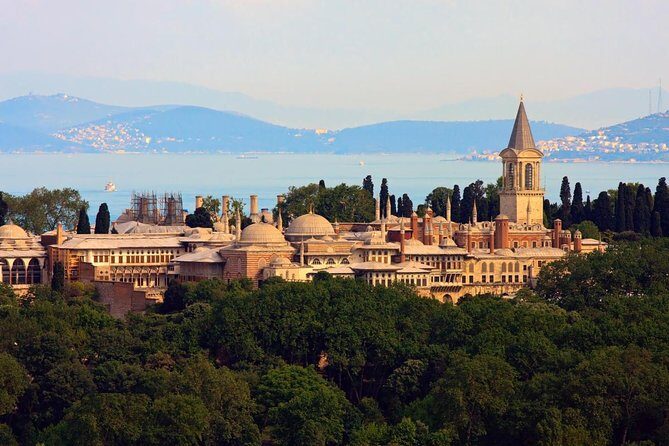
Topkapı Palace is the kind of place that’s easy to enjoy and hard to fully understand alone. It’s the former imperial residence where the Ottoman Empire was ruled for nearly 400 years, and today it’s a major museum full of royal treasures and history.
On this tour, your guide helps you connect what you see to what it meant—sultans, court life, and the long sweep of Ottoman rule. The stop is about 2 hours, which is a sensible amount of time if you want both major highlights and some breathing room.
Practical note: the Topkapı entrance fee is not included and is paid in cash to the guide. Also, it’s closed on Tuesdays. If it’s a Tuesday when you visit, you’ll swap in Basilica Cistern instead.
Hagia Sophia: Byzantine architecture you can feel in your bones
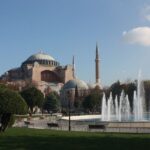
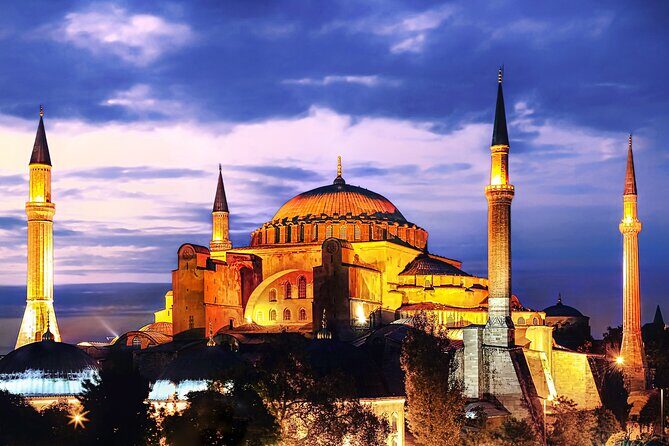
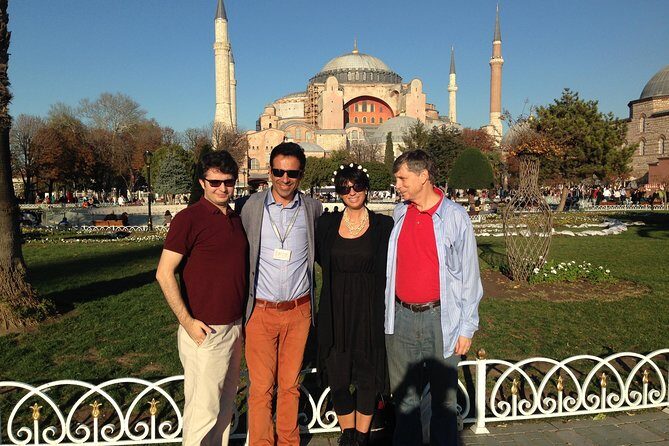
Hagia Sophia is a magnet. Even if you know almost nothing about Byzantine or Ottoman history, the scale hits you immediately. It began as a church in the 6th century and is known for its architecture and mosaics.
This stop runs about 1 hour. That time window is useful: long enough to absorb the big features, not so long that you feel like you’re rushing through it or losing track of what you’re looking at.
Your entrance fee here is not included and is paid in cash to the guide. Since ticket rules and hours can shift, I’d treat Hagia Sophia as a “do it early” priority on any day it appears in your plan.
Blue Mosque and the Hippodrome: iconic views with quick context
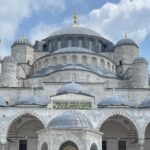
After Hagia Sophia, the Blue Mosque is the next natural step. It’s one of Istanbul’s biggest mosques and a signature silhouette on the skyline. The tilework is the star once you’re inside, including the famous blue Iznik tiles.
This stop is about 45 minutes, and it’s listed as admission free—so you’re mostly paying with your time and attention. If you want a clean break from museums while still staying in the historic center, this is a great pivot.
Then you’ll head to the Hippodrome, the former center of sports and political activity in Constantinople. You’re not spending a long time here—about 15 minutes—but it’s a handy way to understand how the city functioned beyond palaces and churches. You’ll be able to spot famous relics like the Obelisk from Egypt and the Serpentine Column from Delphi.
You can also read our reviews of more city tours in Istanbul




Grand Bazaar strategy: how to enjoy the maze instead of getting lost in it
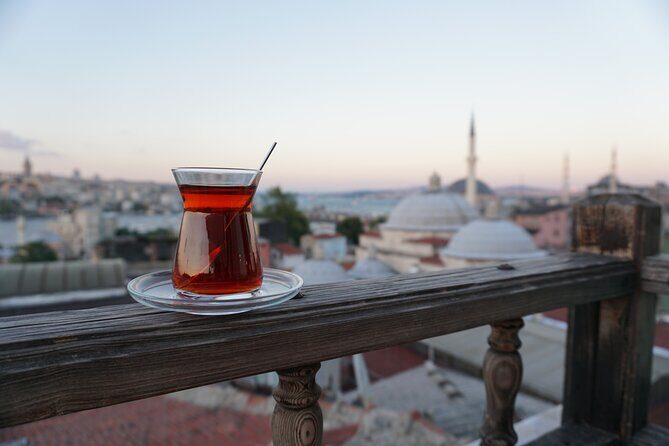
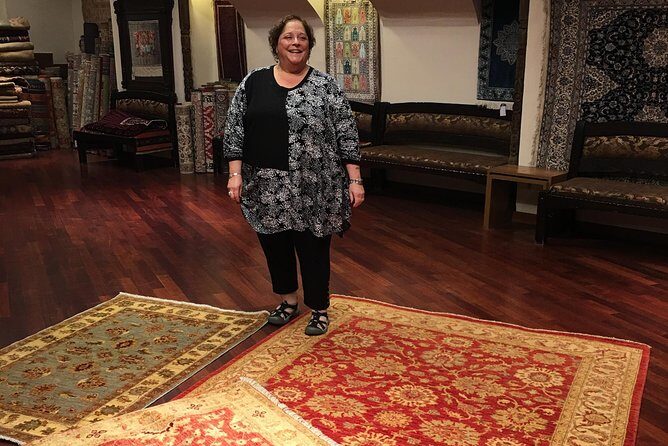
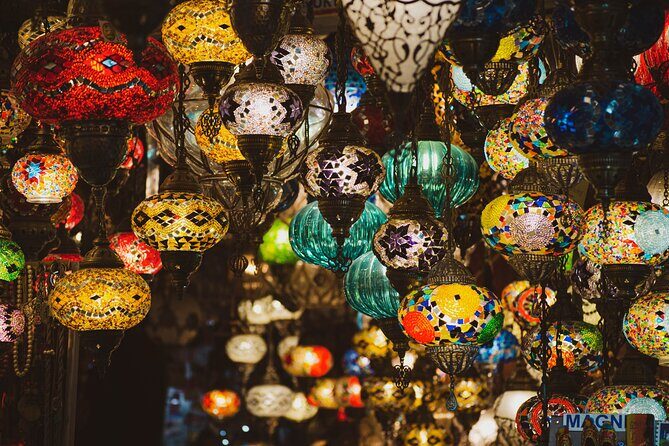
The Grand Bazaar is old, enormous, and easy to over-romanticize. Yes, it’s a historical market—also, it can feel like sensory overload if you wander in with no plan.
This tour gives you a guide who knows how to orient you and points out helpful ways to navigate its 4000+ shops without getting trapped in the most crowded aisles. The time here is around 30 minutes, which is perfect for soaking up atmosphere and finding a few worthwhile stops without turning it into a whole afternoon of bargaining fatigue.
Important scheduling detail: the Grand Bazaar is closed on Sundays. On those days, you’ll visit the Spice Market (Mısır Çarşısı) instead.
Dolmabahçe Palace and the Bosphorus: switching from old power to dramatic waterfront
When you move from the old-city monuments to Dolmabahçe Palace, the vibe changes. This palace (built between 1843 and 1858) mixes Baroque, Rococo, and Neoclassical styles with Ottoman architecture. In other words: it’s Ottoman Istanbul talking to European trends—visually and politically.
Plan for about 1 hour 30 minutes here. Admission is not included, and you’ll pay in cash to the guide. Dolmabahçe can be a great mid-tour reset: structured, impressive, and a different kind of “wow” from mosques and palaces.
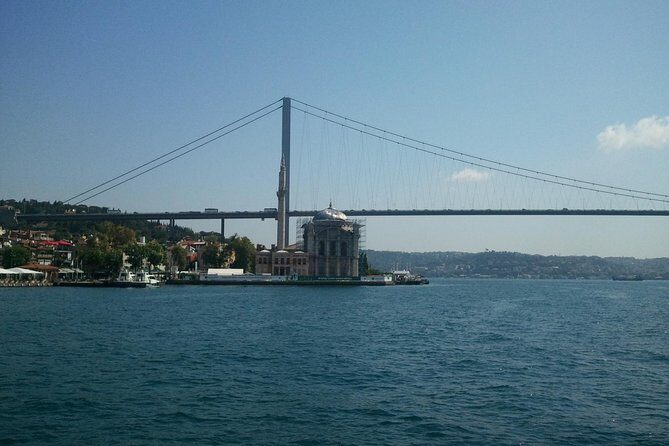
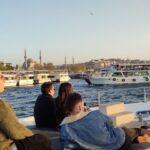
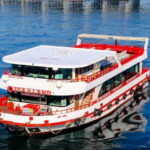
Then comes the Bosphorus Strait cruise by public boat, about 1 hour 30 minutes. This is one of the easiest ways to get your head around Istanbul’s geography: two continents, waterfront neighborhoods, palaces, historic mosques, and the everyday life along the water.
The boat fee is not included (listed as $7 per person). If you’re sensitive to schedule changes, think of this segment as flexible fuel: it can save you from fatigue and make the rest of the day feel more connected.
Kadıköy: the local Istanbul stop you’ll remember longer
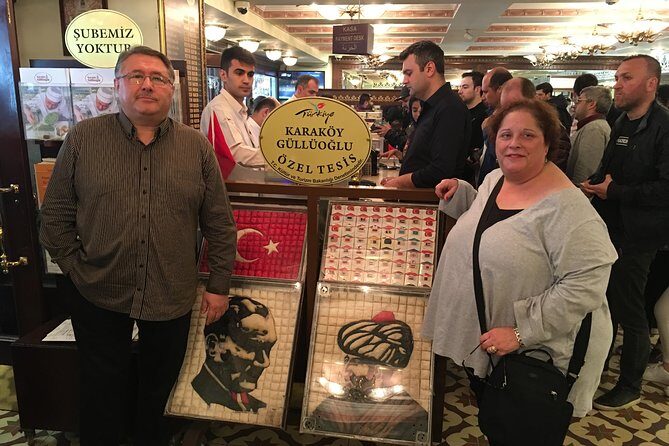
Kadıköy (on the Asian side) is where Istanbul starts to feel less like an outdoor museum and more like a living city. This stop is about 1 hour 30 minutes and is listed as admission free.
Why it matters: many first-time visits over-focus on the European side. Getting to Kadıköy helps you see Istanbul’s rhythm—streets, shops, daily life, and the kind of energy that doesn’t depend on historical monuments.
If you enjoy markets, street scenes, and conversations with the city instead of just photographing it, Kadıköy is one of the best “value per minute” stops on the overall experience.
Rustem Pasha Mosque: small stop, standout tiles
Sometimes the most rewarding Istanbul moments are short. Rustem Pasha Mosque is famous for Ottoman tile art on the inside walls.
You’ll spend about 20 minutes, and it’s admission free. Because it’s brief, it works well on days when you’re already museum-tired but still want something beautiful and distinctly Ottoman.
Süleymaniye Mosque: another imperial stop with great scale
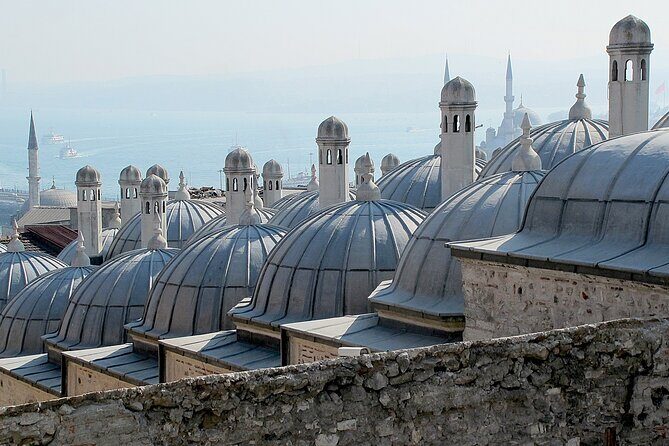
Süleymaniye Mosque was built by architect Sinan in 1557 and is regarded as one of the most beautiful imperial mosques. The stop is about 30 minutes and listed as admission free.
This is a smart choice if you want to compare imperial architecture styles across the city. You’ll leave with more than photos—you’ll have a sense of what “imperial” means in stone and space.
Chora Museum: Byzantine mosaics that reward focused time
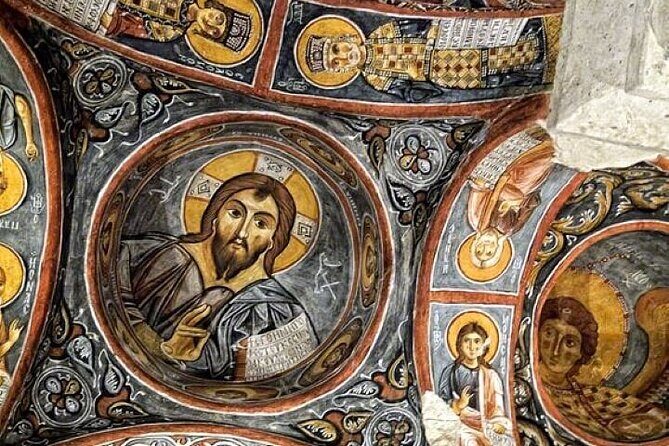
If you love mosaics and fine Byzantine detail, Chora Museum (also known through its historical connection) is a must. The stop is about 1 hour and includes admission as a separate fee (not included; listed at $25 per person, paid by credit card at entry).
This is the kind of place where a guide’s explanation can change your experience. With context, you’re not just looking at pretty mosaics—you’re seeing them as part of a larger religious and artistic story from Byzantine Constantinople.
Balat and the iron church: authentic-feeling streets instead of just famous buildings
After the big monuments, this part feels like a stroll with purpose.
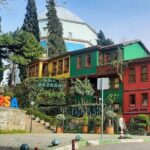
- Balat: about 30 minutes, listed as admission free. The focus is on the area’s authentic houses and its local feel.
- Bulgarian Orthodox Church: about 15 minutes, also admission free. It’s unique for being made of iron.
- Fener Rum Patrikhanesi (Patriarchate): about 15 minutes, admission free.
These stops aren’t long, but they’re powerful because they show Istanbul beyond the postcard loop. If you like streetscapes, small architectural quirks, and quieter cultural landmarks, this is where the tour starts to feel more personal.
Price and value: $250 for a group, plus the real entrance-fee math
The base price is $250 per group (up to 8), with local taxes included and a professional guide. You’re paying for private attention, smart routing, and someone to translate what you’re looking at while you’re walking.
What’s not included is the key part: several major sites have separate fees. The data lists these as additional:
- Basilica Cistern: $35 per person (paid by credit card at entry; fee may change)
- Topkapı Palace: $63 per person (paid in cash to the guide; fee may change)
- Hagia Sophia: $30 per person (paid in cash to the guide; fee may change)
- Chora Museum: $25 per person (paid by credit card at entry; fee may change)
- Bosphorus cruise by public boat: $7 per person
- Dolmabahçe Palace: $55 per person (paid in cash to the guide; fee may change)
If your chosen version hits many of these, those fees can add up quickly. The flip side: the tour includes multiple free stops (Blue Mosque, Hippodrome, Grand Bazaar, Kadıköy, Rustem Pasha Mosque, Spice Market, Süleymaniye, Balat, the Bulgarian Orthodox Church, and Fener Patriarchate). So your final spend depends on which paid sites your itinerary includes.
For most people, the value isn’t just the price—it’s avoiding the time-cost of sorting it out yourself in a city where the main sights are crowded and the details matter.
Who should book this tour (and who might want a lighter plan)
I’d book this if:
- You want a guided route that hits top landmarks plus real neighborhoods
- Your group includes different ages or interests (this operator has kid-friendly guide options)
- You care about context, not just photos
- You prefer efficiency—starting at the right time and avoiding long idle lines
You might reconsider if:
- You get sore easily. This is a walking tour with “moderate fitness” recommended.
- You hate managing separate entrance fees. Several big museums/palaces are paid separately.
- You’re looking for a relaxed, low-effort stroll. This tour’s strength is packing a lot into a day wisely, not taking it slow.
Should you book the 1, 2, or 3-day option?
If it’s your first Istanbul visit and you want a strong foundation, this is a very good match. For a 1-day version, you’ll likely focus on the dense historic core—palaces, major mosques, and one or two smart add-ons. For 2 days, you get breathing room and the chance to include neighborhood texture like Kadıköy and Balat without feeling like you’re rushing from one site to the next. For 3 days, you can spread out the bigger paid sites and still cover multiple areas without fatigue taking over.
My rule of thumb: if you want Istanbul to click quickly, book it. If you’re visiting for a second time and already know the main sights, you might choose a shorter or more specialized plan—but for first-timers, this one is practical, flexible, and guided in a way that actually helps you understand what you’re seeing.
FAQ
Is this tour private?
Yes. It’s a private tour/activity, and only your group participates.
How many people are in a group?
The price is per group for up to 8 people.
Is pickup included?
Pickup is offered. If your hotel is centrally located, your guide may meet you on foot. If you are in/around the old city (Sultanahmet area), a private van is usually unnecessary.
What language is the tour in?
It’s offered in English.
Are entrance fees included?
No. Several sites require separate payment. Some stops are listed as admission free, but Topkapı, Hagia Sophia, Basilica Cistern, Chora Museum, Dolmabahçe Palace, and the Bosphorus cruise have fees listed as not included.
Which sites are free to enter?
Blue Mosque, Hippodrome, Grand Bazaar, Rustem Pasha Mosque, Spice Market, Süleymaniye Mosque, Balat, the Bulgarian Orthodox Church, and Fener Rum Patrikhanesi are listed as admission free.
What if Topkapı Palace is closed?
Topkapı Palace is closed on Tuesdays. On those days, the tour visits Basilica Cistern instead.
What if I’m visiting on a Sunday?
Grand Bazaar is closed on Sundays, so the Spice Market is visited instead.
Is the tour mostly walking?
Yes, it’s a walking tour with public transport used when necessary. The tour notes moderate physical fitness is recommended.
Can I cancel and get a full refund?
Yes. Free cancellation is available up to 24 hours in advance for a full refund.