REVIEW · ISTANBUL
Istanbul: Full Day – Byzantine & Ottoman Relics Tour
Book on GetYourGuide →Operated by City Of Sultans · Bookable on GetYourGuide
Istanbul in seven hours, with focus. This full-day tour strings together the big names of Byzantine and Ottoman power in a smart order, starting with the Roman Hippodrome’s standout monuments (the Egyptian Obelisk, the Serpentine Column from Delphi, and the fountain of Wilhelm II) and then moving straight into the Blue Mosque and Topkapi Palace. I especially like the skip-the-ticket-line priority for Topkapi Palace and Hagia Sophia, which saves time when crowds can get thick. The main catch: the route isn’t suitable for pregnant women or people with mobility impairments.
I also like that you’re not left to figure it out on your own. A professional licensed guide meets you at your pickup point and keeps the day moving, with live guiding in English and Japanese and a full course lunch at a local Turkish restaurant. You’ll get air-conditioned vehicle pickup from a long list of hotels and port areas, so you’re not spending your morning hunting for a meeting spot.
By the end, you’re dumped right into the action, in the covered Grand Bazaar. That means no hotel drop-off, so plan your next move accordingly and enjoy the fact that this tour ends where you actually want to browse.
In This Review
- Key moments that make this tour worth your time
- Why this “two empires” route feels efficient
- Price and what you actually budget for
- Getting picked up and handling the day’s movement
- Roman Hippodrome: the power stage behind the monuments
- Sultan Ahmed Mosque (Blue Mosque): what to focus on
- Hagia Sophia: Byzantine scale with Ottoman-era layers
- Sultanahmet Square: the “gear shift” moment
- Topkapi Palace: imperial residence turned museum world
- Grand Bazaar: how to shop in a maze without losing your head
- Lunch break: Turkish food in the middle of the monument sprint
- Pace check: how long you’ll stare at history
- Who should book this tour, and who should skip it
- Should you book it
- FAQ
- How long is the tour?
- Where does the tour pick you up?
- What sites are included in the tour?
- Is lunch included?
- Are entry fees included for Hagia Sophia and Topkapi Palace?
- Does the tour include skip-the-line access?
- What languages is the guide?
- Is the Grand Bazaar open every day?
Key moments that make this tour worth your time
- Roman Hippodrome monuments: Egyptian Obelisk, Delphi’s Serpentine Column, and the Wilhelm II fountain.
- Blue Mosque’s Iznik tiles: the famous blue-and-white work that dominates Sultan Ahmed Mosque’s interior look.
- Skip-the-line rhythm at Topkapi Palace and Hagia Sophia so your day doesn’t vanish in queues.
- Topkapi Palace highlights: imperial residence turned museum, including Chinese and Japanese porcelain and the royal treasury.
- Grand Bazaar bargaining time: carpets, antiques, trinkets, and nazar evil eye amulets in a maze of covered lanes.
- A full day that covers both empires without requiring you to hop between tickets, transfers, and timelines.
Why this “two empires” route feels efficient
If you’ve ever tried to piece together Istanbul’s Byzantine and Ottoman sites on your own, you know the pain: too many entrances, too much walking, and not enough time. This tour keeps the sequence logical and geography-friendly: it starts at Sultanahmet’s core area, then stays clustered so you can spend your energy looking, not commuting.
The big value here is pacing. You’re led from one visual “wow” stop to the next, with guided context at each main site, instead of drifting from building to building with only a guidebook in your hands. And because Topkapi Palace and Hagia Sophia include skip-the-ticket-line priority (through a separate entrance), you’re more likely to see the key rooms while the day still feels calm.
One more practical point: the order matters. The Hippodrome gets you into the mindset of Constantinople’s public life before the tour pivots into worship spaces and imperial power at the Blue Mosque, Hagia Sophia, and Topkapi Palace.
You can also read our reviews of more tours and experiences in Istanbul

Price and what you actually budget for
The tour price is $54 per person for about 7 hours, including pickup by air-conditioned minibus, a professional licensed guide, and a full course lunch at a local Turkish restaurant. That’s a solid baseline value if you want structure and minimal stress.
But the “true cost” depends on the entry fees you pay on the day. Hagia Sophia entry fees are 30 €, and Topkapi Palace entry fees are 60 €—and the information provided says these are typically paid to the guide to help keep skip-the-line access smooth. So expect your day to run higher than $54 by those site fees.
Still, the math can work in your favor. Those are exactly the two places where line time can balloon. If you’re trying to see both Hagia Sophia and Topkapi Palace, paying for the guided format can be less painful than doing everything solo—especially if you’re on a short visit.
Getting picked up and handling the day’s movement
Pickup is built in, and that’s a big deal in Istanbul. You’ll meet your guide at one of the listed hotel or port options, and then head out by luxury air-conditioned minibus. The tour also tells you to wait about 10 minutes before your scheduled pickup time, which is a small detail that prevents last-minute stress.
Guides can be the difference between a “checklist day” and a “make sense of it” day. Here, you get a live licensed guide and language support in English and Japanese, which helps if you’re comparing architecture and Ottoman-era details without needing to translate everything in your head.
The route isn’t described as gentle, though. With major sites packed into one day, expect a fair amount of walking and time in crowds around the central sights. That’s the same reason the tour is not suitable for mobility impairments or pregnancy, even if you’re generally healthy.
Roman Hippodrome: the power stage behind the monuments
Your first major stop is the Roman Hippodrome—once the center of sports and political activity in Constantinople. It’s not just “old stone.” It’s where public life played out, and the tour uses that idea to make the monuments feel meaningful instead of random.
What you’re looking at matters a lot:
- The Obelisk from Egypt: a symbol of rule and transfer of prestige.
- The Serpentine Column from Delphi: another object that carries the story of empire-scale collecting.
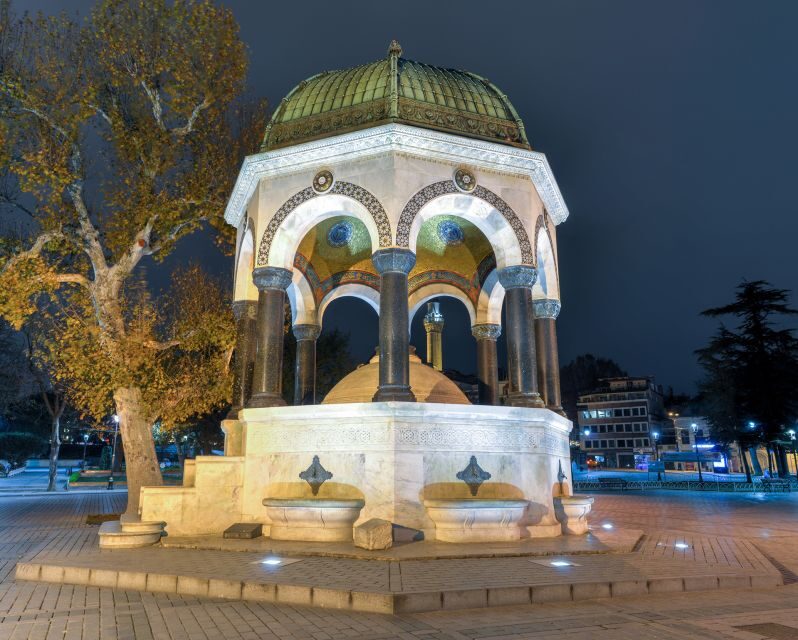
- The fountain of Wilhelm II: a reminder that later rulers also treated Constantinople’s past like a trophy.
Even if you don’t know the exact story of each artifact, the guide’s context helps you connect them. Think of the Hippodrome as a giant outdoor stage where politics, pageantry, and crowd energy met.
Sultan Ahmed Mosque (Blue Mosque): what to focus on
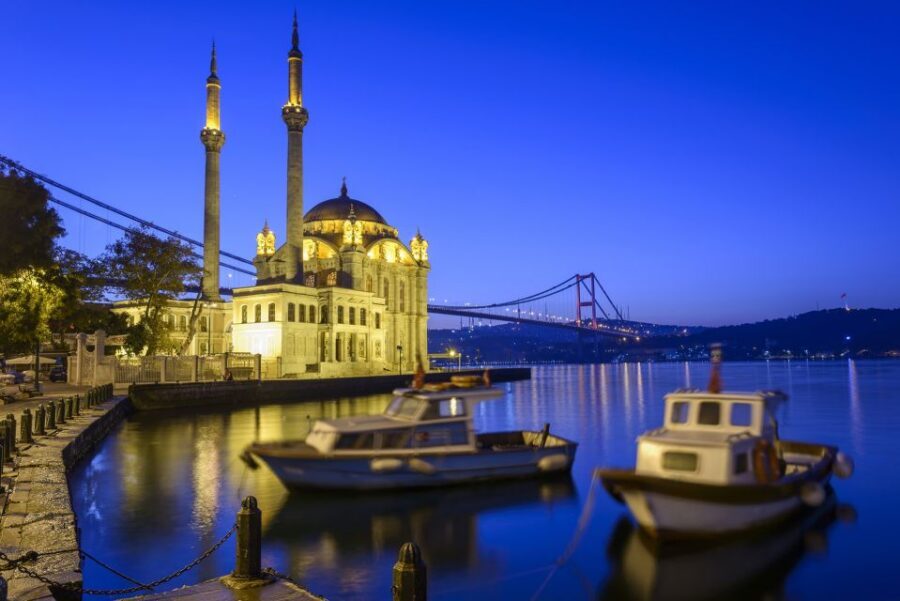
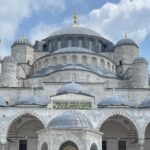
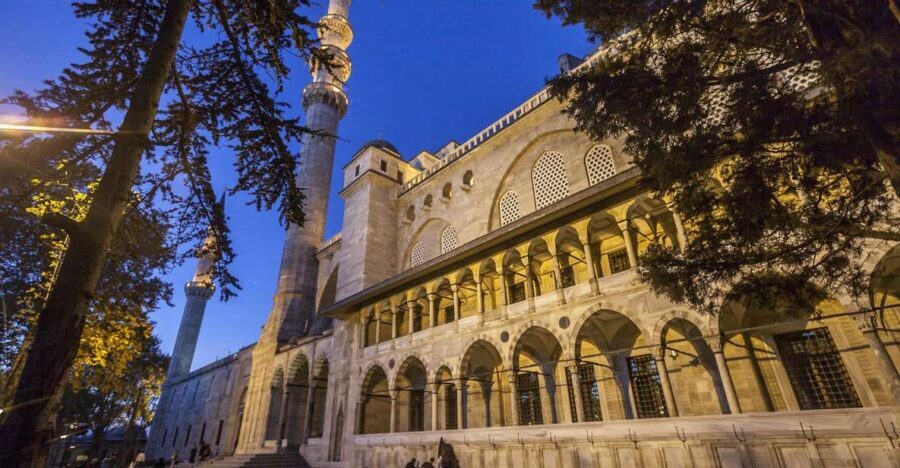
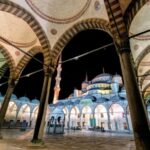
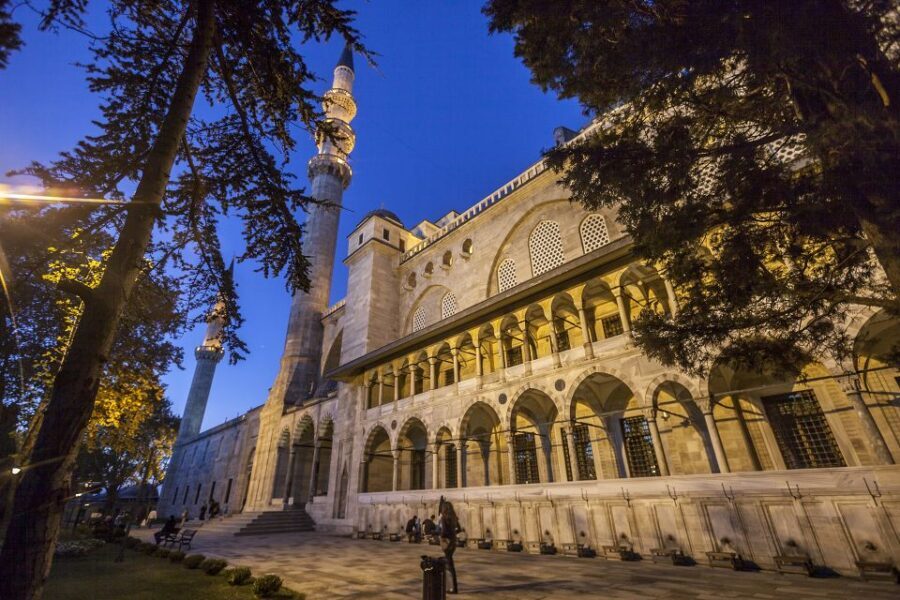
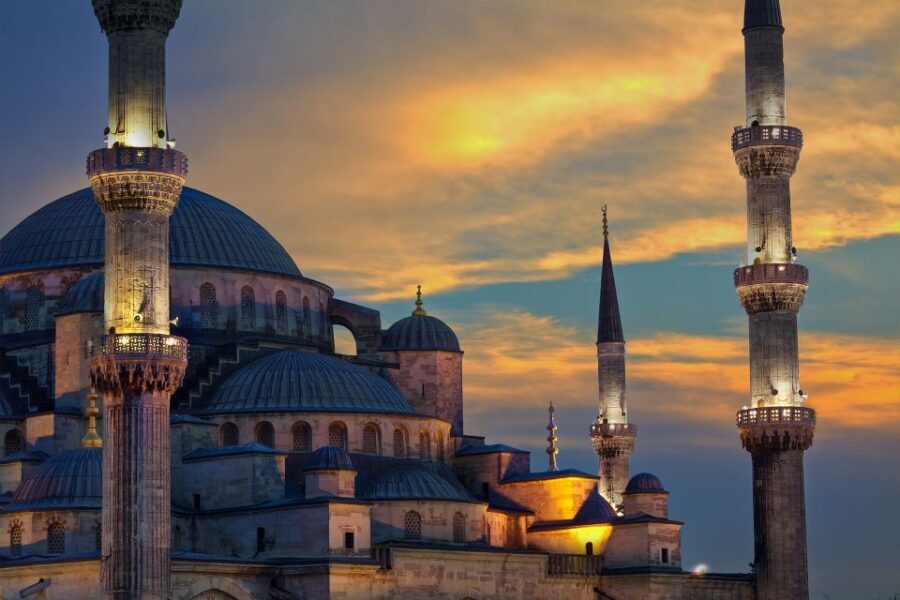
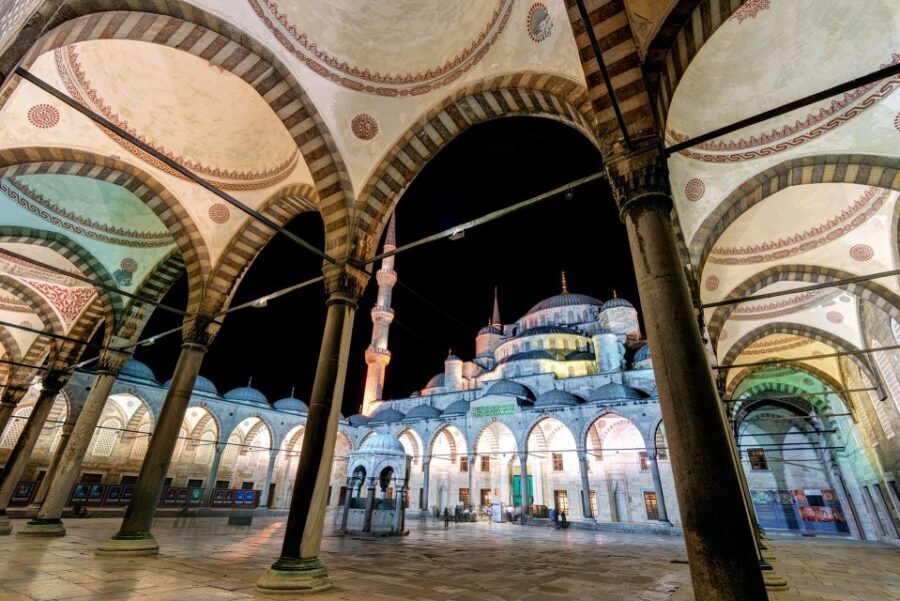
The Blue Mosque stop is one of the main drawcards, and rightly so. This 17th-century mosque is known for its Iznik tiles—the blue-and-white work that turns the interior into something you can’t look away from. The number of minarets (six) also shapes the skyline view, so if you’re arriving by foot or by vehicle in the Sultanahmet area, you’ll feel like the building is constantly watching you.
A practical heads-up: the tour notes that some inner parts of the Blue Mosque are under renovation. That can affect how much you’ll be able to see inside. It doesn’t mean you’re seeing nothing—it just means you should be ready for partial views, depending on the day.
How to enjoy it most:
- Look for tile patterns and the way they frame entrances and arches.
- Don’t rush the space. The beauty is in the surfaces, not just the silhouette outside.
Also, like most religious sites, access can be affected by prayer times and special events. You’ll want to keep that in mind when planning the rest of your day around Sultanahmet.





Hagia Sophia: Byzantine scale with Ottoman-era layers
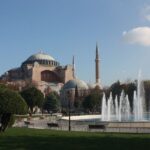
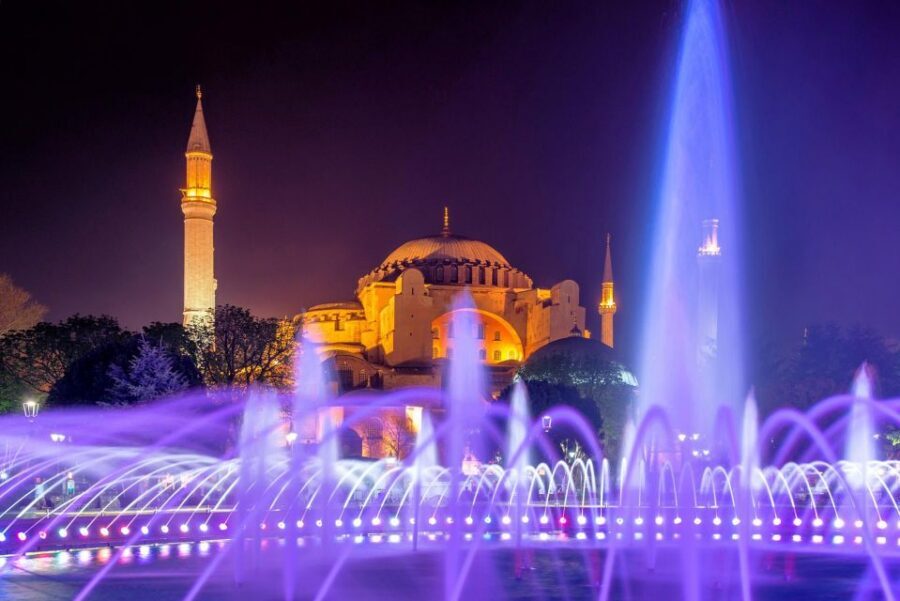
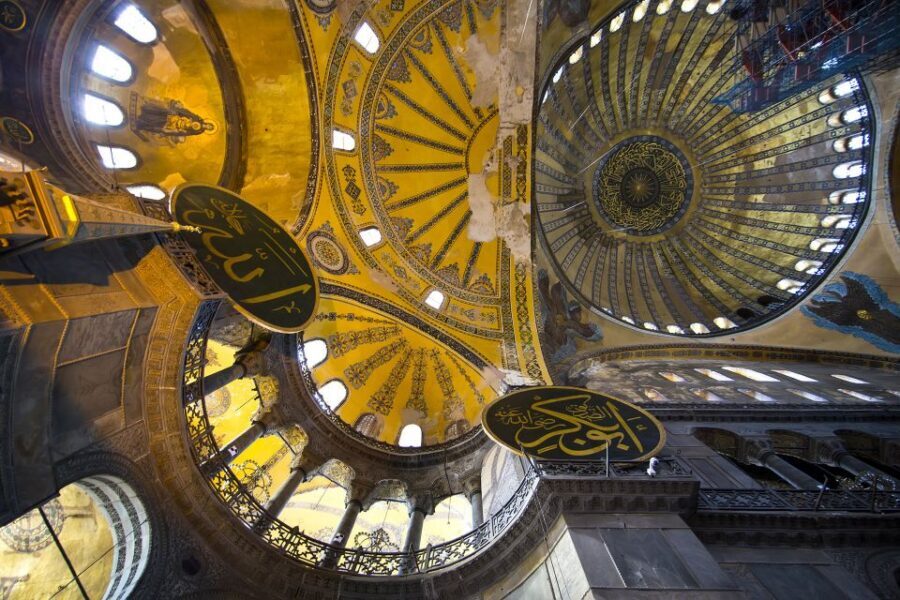
Hagia Sophia is one of those places where the building does half the explaining. You’re scheduled for a guided visit of about an hour, which is just enough time to orient yourself without being stuck for hours.
The tour description calls out its “magnificent Byzantine architecture,” and that’s exactly what you’re meant to pay attention to: the massive scale, the structural confidence, and the way the interior space feels engineered to impress. Even if you’re not a history person, the building’s size and geometry give you a fast sense of why it mattered.
There’s another reality check you should plan for: the tour notes that Hagia Sophia also can’t be visited during prayer times or special events. If you’re traveling with tight timing, this tour’s guided format and skip-the-line approach help, but it can still depend on the day.
Entry fees are not included, so you’ll be paying 30 € if you want the full experience. The good part is that the tour is set up to help you avoid the worst of the ticket-line delays through skip-the-ticket-line priority.
Sultanahmet Square: the “gear shift” moment
You’ll also spend a short guided stop at Sultanahmet Square. It’s not typically where people go to take deep photos. Instead, it’s a useful transition point—a place to pause, regroup, and get a mental map before moving into heavier indoor visits like Hagia Sophia and Topkapi Palace.
If you’re the type who gets overwhelmed by Istanbul’s “everything is near everything” feeling, Sultanahmet Square can help you reset. You’re in the right district for the next set of monuments, and you’re not just charging onward without understanding where you are in the bigger story.
Topkapi Palace: imperial residence turned museum world
Topkapi Palace is where the day shifts from public spectacle to private power. The tour frames it as the former imperial residence where the Ottoman Empire was ruled, and that context changes how you read the rooms. You’re not just looking at a museum; you’re touring the spaces that helped control an empire.
You get about two hours here with guided time. That’s enough to hit the main rooms without rushing through everything. The palace is also especially interesting for its collections. The tour description highlights:
- Chinese and Japanese porcelain, and
- the famous treasury of the Royal Family.
This is also where the skip-the-line priority matters most. Topkapi Palace entry fees are 60 €, and the information says these should be paid to the guide to take advantage of separate entrance / skip-line access. If you’re trying to fit Topkapi in on a short trip, this format is a practical move.
One more detail to keep you from getting disappointed: Topkapi can be closed on some days. The information provided also mentions that the tour plan can include replacements, depending on closure. So if Topkapi isn’t available on your specific day, expect the operator to swap in another significant nearby attraction rather than leaving you with dead time.
Grand Bazaar: how to shop in a maze without losing your head
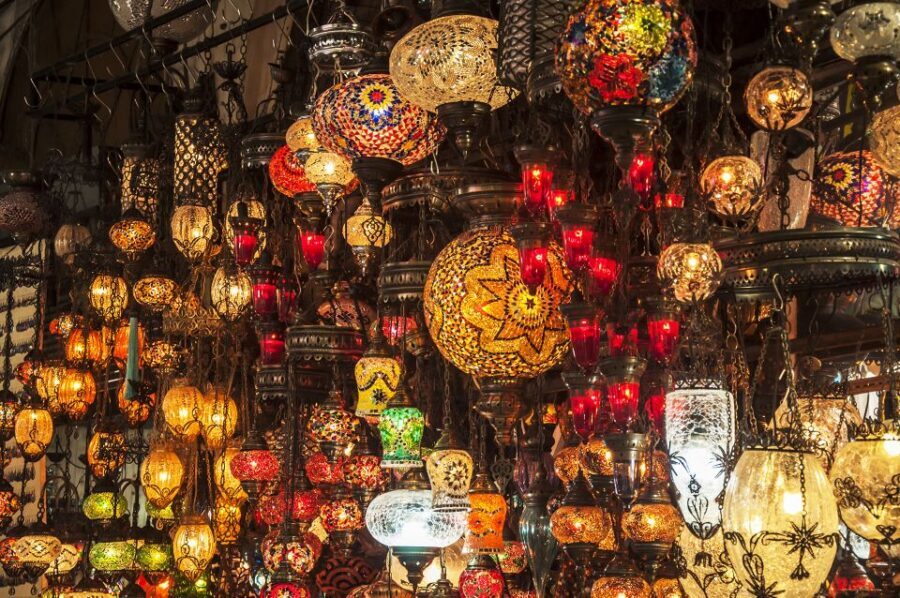
The finish line is the Grand Bazaar, one of the world’s oldest and largest covered markets and a place that’s been in continuous operation since the 15th century. The key word here is covered. Even if weather is annoying, you can still browse in a network of lanes.
You’ll get around an hour of guided bazaar time. That’s not meant to be a shopping spree marathon. It’s meant to help you get oriented and find the categories you care about—carpets, antiques, trinkets, bowls, and nazar evil eye amulets.
Bargaining is part of the experience. If that makes you nervous, here’s a simple approach: set a ceiling price in your head before you step into a shop. Then browse a few stalls first so you understand what “normal” prices feel like. After that, negotiation becomes less of a mystery and more of a numbers conversation.
Also, note the practical limitation: the tour information says the inner parts of the Grand Bazaar are closed on Sundays. If your visit lands on a Sunday, you may spend your time in the areas that are still open.
Lunch break: Turkish food in the middle of the monument sprint
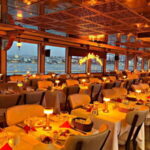
Lunch is a full course meal at a local Turkish restaurant, included in the tour. In a day this packed, that matters more than you might think. You’re not forced to grab something quick near the sights, and you’re not relying on your own navigation while you’re hungry.
The exact menu isn’t described, but the intent is clear: local Turkish cuisine, served in a setting chosen by the tour. If you want a break from walking and shopping and just recharge, this lunch stop helps you keep your energy for the final bazaar wander.
Pace check: how long you’ll stare at history
This tour is structured, but it’s still a full-day run. You’ll have guided time at multiple big sites, plus transit between them by vehicle.
Here’s what the schedule suggests about your experience:
- Short guided windows at major outdoor/transition points (like Sultanahmet Square).
- Longer guided time where visuals and rooms take work (Topkapi Palace and the mosque/major monument stops).
- A shopping finale where you’ll want to stay flexible and ready to move fast when you spot something you like.
If you’re trying to do a lot of photos, you’ll need to balance shooting with listening. The guide’s context is what turns a tile pattern or porcelain display into something you remember.
Who should book this tour, and who should skip it
This tour is a good match if you:
- want a guided sweep of Ottoman and Byzantine highlights in one day,
- like having skip-the-line priority for the hardest-hit sites,
- enjoy markets and don’t mind ending your day in the middle of shopping.
You should be careful if you’re:
- pregnant or have mobility limitations (this one isn’t set up for it),
- planning around prayer-time closures without any flexibility (access can be restricted at major religious sites).
If you hate crowds, you’ll still see crowds. Istanbul is a magnet, and these are top-tier sights. The goal here is to reduce line frustration and keep your day moving efficiently—not to make the city quiet.
Should you book it
I’d book this tour if you’re on a time crunch and you want your day to make sense: Hippodrome first, then Blue Mosque and Hagia Sophia, then Topkapi Palace, and finally the Grand Bazaar shopping finish. The included lunch plus skip-the-line priority for two major ticketed sites helps justify the price, even with the additional entry fees.
I wouldn’t book it if you need a low-walking plan or if you’re expecting total control over site access regardless of prayer times and special events. Also, if you only care about one or two landmarks, this day is probably too broad for your interests.
If you want Istanbul’s Ottoman and Byzantine highlights in one organized flow, this is a strong choice.
FAQ
How long is the tour?
It lasts about 7 hours.
Where does the tour pick you up?
Pickup is included and starts from multiple listed hotel and port locations. You’ll meet your guide at your chosen pickup point.
What sites are included in the tour?
You visit Sultan Ahmed Mosque (Blue Mosque), Hagia Sophia, Sultanahmet Square, Topkapi Palace, the Roman Hippodrome area, and the Grand Bazaar.
Is lunch included?
Yes. The tour includes a full course lunch at a local Turkish restaurant.
Are entry fees included for Hagia Sophia and Topkapi Palace?
No. Hagia Sophia entry fees are listed as 30 € and Topkapi Palace entry fees as 60 €, and you’re directed to pay these to the guide to help skip the lines.
Does the tour include skip-the-line access?
Yes. It provides skip-the-ticket-line priority at Topkapi Palace and Hagia Sophia.
What languages is the guide?
The tour offers live guiding in English and Japanese.
Is the Grand Bazaar open every day?
The tour info notes that the inner parts of the Grand Bazaar are closed on Sundays.