REVIEW · ISTANBUL
Istanbul: Hagia Sophia and Blue Mosque Tour with Tickets
Book on GetYourGuide →Operated by Istanbul E-pass · Bookable on GetYourGuide
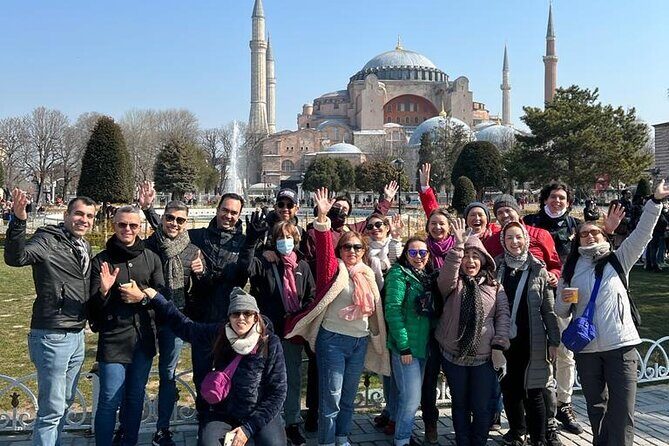
You can’t really rush Hagia Sophia. This guided tour strings together Hagia Sophia, the Blue Mosque, and the Hippodrome so the big sights make sense, fast. You’ll get the stories behind what you’re seeing, from Hagia Sophia as the center of Orthodox Christianity to the sultan-era mosque that came after conquest—plus a look at how the two religions were shown side by side in the building’s long life.
I especially like two things: you’re not just staring upward, you’re learning how and why the buildings were made the way they were, and you get a guided flow that keeps you moving in the old Sultanahmet area without wasting time. When I look at guide names like Garbi or Ibrahim, the common thread is clear explanations and the ability to handle big groups smoothly.
One drawback to plan for: even though you’ll have tickets sorted, you’re still dealing with the security lines at these major monuments. During peak season, that wait can be around 45 minutes—so bring patience (and comfy shoes).
In This Review
- Key highlights that make this tour worth your time
- The smart value: what $48 gets you (and what it doesn’t)
- Finding your guide at the Busforus stop (and the one detail that matters)
- Hagia Sophia: the world-famous dome, explained in plain language
- The Blue Mosque (Sultanahmet Mosque): tiles, naming tricks, and what to notice
- Hippodrome of Constantinople: why that square still feels enormous
- Timing and the real queue situation at security
- What to wear, what not to bring, and why it affects your comfort
- Group energy: why the guide matters more than you think
- Who this tour fits best (and who might want a different plan)
- Should you book this Hagia Sophia and Blue Mosque tour?
- FAQ
- How long is the tour?
- What’s included in the price?
- Is it a skip-the-line tour?
- Where do I meet the guide?
- What should I bring for the tour?
- What should I avoid bringing or wearing?
- Is this tour suitable for wheelchair users or medical conditions?
Key highlights that make this tour worth your time
- Hagia Sophia’s 1500-year arc: built in just five years and tied to emperors, coronations, and changing worship
- Blue Mosque tile deep-dive: learn why Iznik tiles created that signature look inside Sultanahmet Mosque
- Hippodrome photo + walk: step into Constantinople’s big public arena and spot the Obelisk of Theodosius
- Guides who manage crowds: some guides adjust pacing to reduce time lost in lines
- Fast, efficient circuit: three landmarks in about 2.5 hours, ideal for a single focused afternoon
The smart value: what $48 gets you (and what it doesn’t)
At $48 per person, this is priced like a “get it done right” Istanbul afternoon. You’re paying for two practical benefits: (1) a professional English guide who explains what you’re looking at, and (2) an entrance ticket for Hagia Sophia included in the tour package.
That matters because Istanbul’s top monuments are visual and confusing at the same time. Without context, Hagia Sophia can feel like a blur of marble, arches, and giant dome math. With a guide’s pacing and story, you start noticing what to look for—construction speed, religious symbolism, and how power used public space.
Now, the part people trip over: ticketing helps, but security is still security. Also, you’re not getting food, drinks, or hotel pickup. You’ll be walking on your own between sites at a guided pace, so build in a little “I might be late to coffee” buffer.
Finally, note the tour’s structure: it’s designed to move. If you want hours of solo wandering in one monument, this isn’t built for that. Think of it as a guided hit of the area, not a slow museum day.
You can also read our reviews of more tours and experiences in Istanbul

Finding your guide at the Busforus stop (and the one detail that matters)
Your meeting point is very specific: the Double Decker Sightseeing Tourist Bus Stop across Hagia Sophia. The guide will be holding a white flag with the Istanbul E-pass logo.
That one detail can save you stress. Hagia Sophia sits in a busy knot of streets, and there are lots of tour groups and people trying to meet up. If you arrive a few minutes early, you can get eyes on the flag and settle in before the start time.
The tour ends back at the meeting point, which is convenient for planning your next stop. You won’t have to solve transit or navigate a new drop-off location right after a big landmark day.
If you’re doing other sights the same day, you’ll probably like the timing. Two and a half hours is short enough to keep momentum, but long enough to cover the main “tri-fecta” of Sultanahmet.
Hagia Sophia: the world-famous dome, explained in plain language
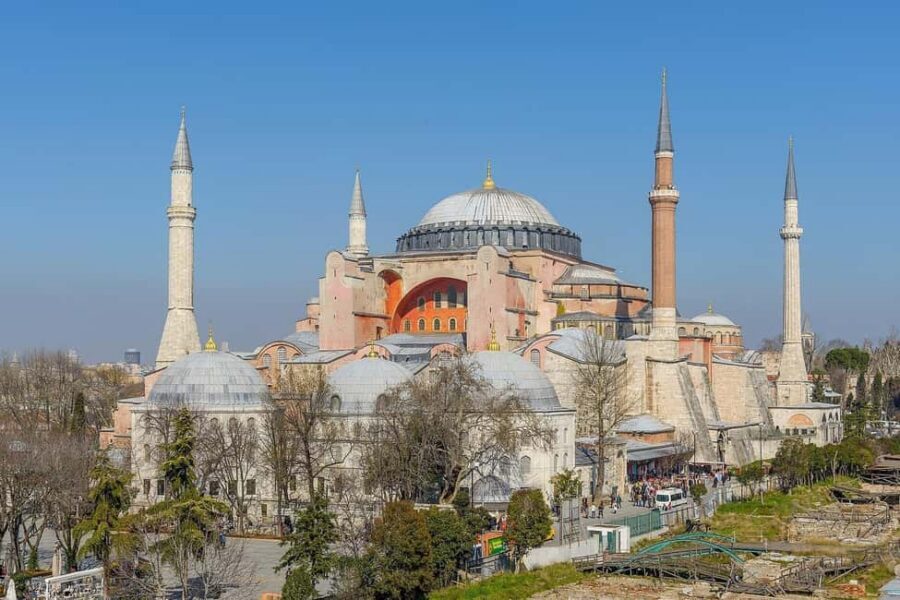
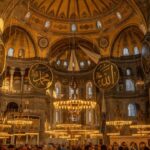
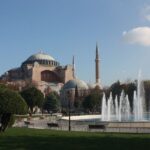
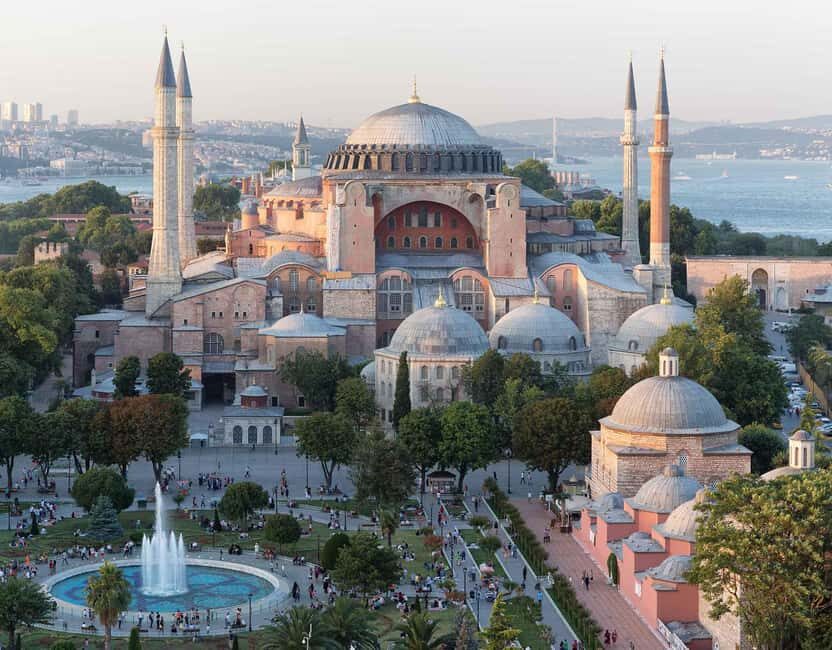
Hagia Sophia is the reason Istanbul shows up on almost every first-time list. This stop includes about an hour of guided visit, where the guide ties the building’s scale to its changing role over centuries.
Here are the standout ideas you’ll want to keep in your head as you look around:
- Hagia Sophia is presented as the headquarters of Orthodox Christendom and the first mosque in Istanbul after conquest, which helps you read what you see in different eras.
- You’ll hear it was built within only five years—that speed is the whole point. People built it fast because rulers wanted a center of authority that looked impossible.
- The dome stats are a big hook: it’s described as the biggest dome for 800 years, with a height of 55.60 meters and a diameter of 31.87 meters. Even if you don’t measure as you walk, the numbers help you understand why this feels so dramatic.
You’ll also be pointed toward the building’s “two-religion” story. The tour notes depictions of religions side by side, plus Hagia Sophia’s role as a place for Roman emperor coronations and as a meeting ground between the sultan and his people.
Practical tip: you’ll be moving through spaces where you can’t slow down whenever you spot a new detail. If you’re the type who wants to linger, pick one or two things to really focus on (like the dome, a key interior view, or a symbolic spot). The guide will handle the rest, and you’ll enjoy it more.
The Blue Mosque (Sultanahmet Mosque): tiles, naming tricks, and what to notice
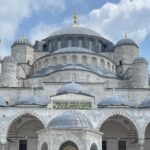
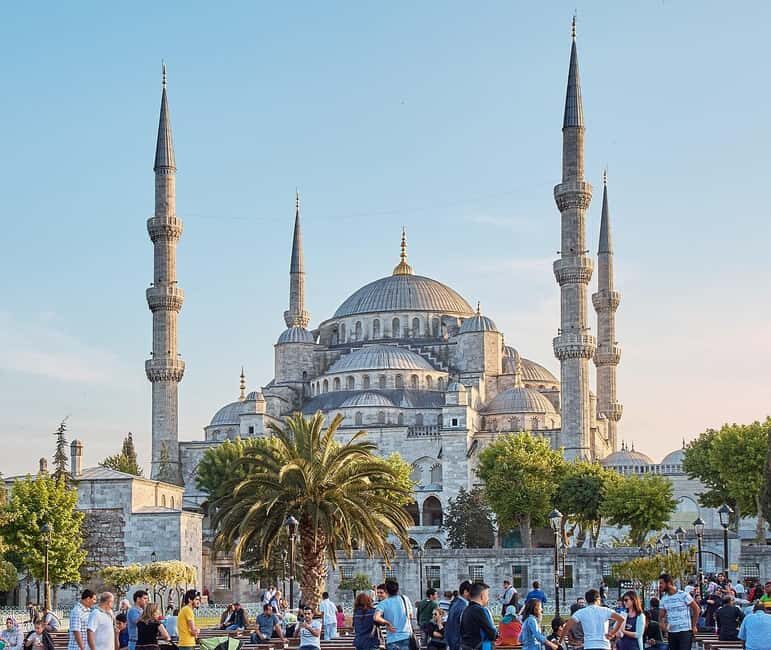
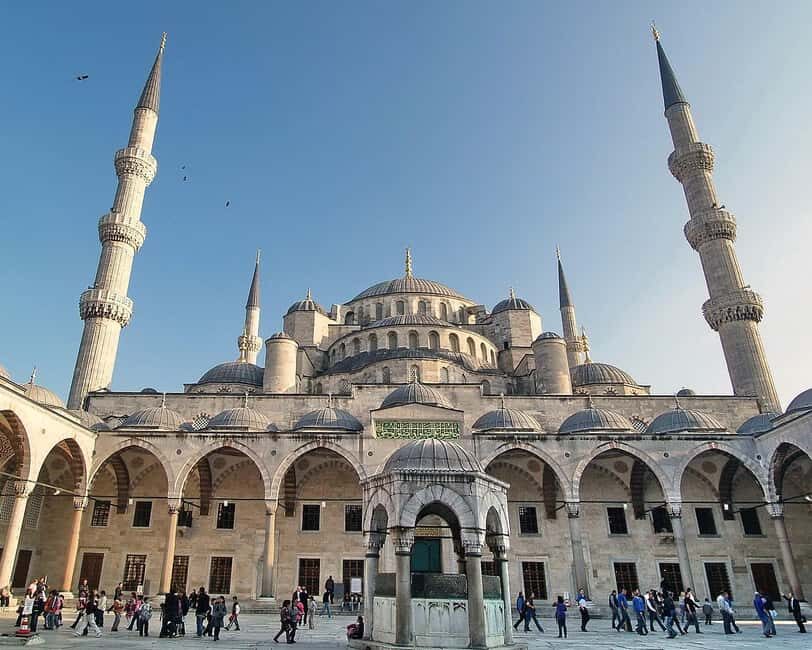
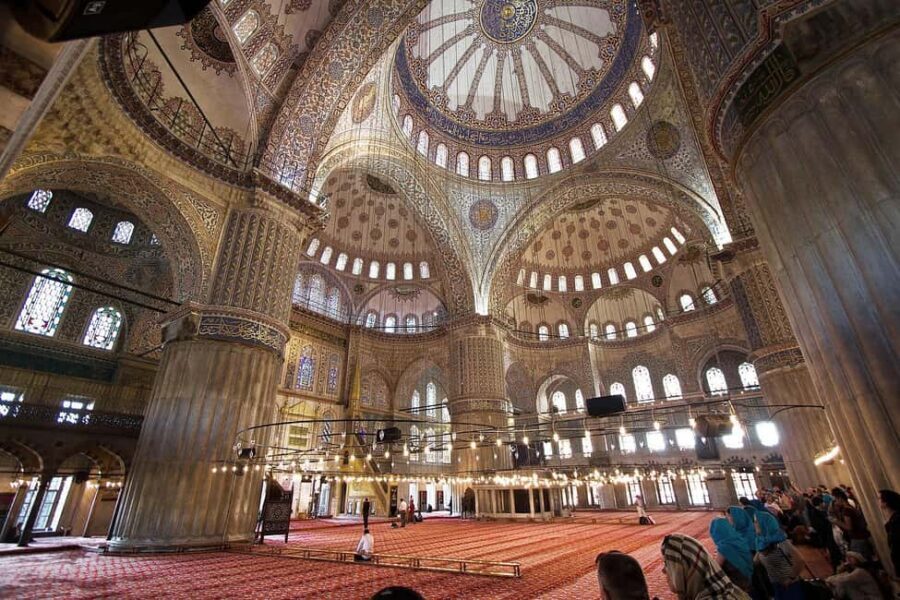
Next up is the Sultanahmet Mosque, widely called the Blue Mosque because of the tilework inside. This stop includes about 45 minutes of guided visit—enough time to see the interior’s main impact and learn what you’re looking at.
The guide’s story here is practical. You’ll learn that the interior tile designs are tied to Iznik, the famed tile-producing city in Turkey. That’s useful because it turns a pretty interior into a specific craft tradition: you start thinking like a visitor with a purpose—what’s made where, and why those patterns matter.
You’ll also get an explanation of Ottoman naming traditions, which is surprisingly helpful when you’re trying to understand Istanbul’s “Sultanahmet” labels without getting lost. The tour frames it like this: mosques are often named after the person who ordered construction and funded it. Then there’s the idea that the region name can overlap with the biggest mosque in that area, which explains why you might hear references to multiple “Sultanahmet” labels (mosque, sultan, and area).
What you’ll take from the Blue Mosque is not only the color. It’s the way light moves across the tiles and how the room’s design supports worship. When you have the story in your head, the visuals feel less random.
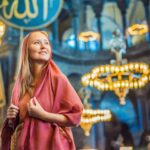
One caution: dress rules are real here. Shorts and short skirts aren’t allowed, and you’ll need a headscarf. Comfortable shoes matter because you’re on your feet in a concentrated time window.
Hippodrome of Constantinople: why that square still feels enormous
The last major stop is the Hippodrome of Constantinople, located in what is now Sultanahmet Square. You’ll get about 30 minutes here, including a photo stop plus a guided walk.
This is the “what city life felt like” portion of the tour. Instead of focusing on worship, the Hippodrome is about public spectacle—chariot races and gatherings—so it rounds out your understanding of Constantinople beyond churches and mosques.
The tour highlights two big time markers:
- The Hippodrome was originally built in the 3rd century CE by Roman Emperor Septimius Severus
- It was expanded in the 4th century by Emperor Constantine the Great
Then there’s one signature object you’ll want to look for: the Obelisk of Theodosius, described as a towering Egyptian relic brought in the 4th century. Even if you don’t know its full story, you’ll feel the intent—this wasn’t a modest civic project.
Photo tip: the time is short, so decide in advance what you want photographed (wide square views often work best). If your guide points out a specific angle, take it—guides usually know where the sightlines behave well.



Timing and the real queue situation at security
This tour is built to be time-efficient, but you should plan for how entrance lines work in Istanbul’s top monuments.
You might see a “skip the ticket line” message in the package description, but the key point you should count on is this: at these sites, security screening can still take time. The tour notes that during peak season, security lines may require around 45 minutes of waiting.
The upside: you won’t just stand there bored. The guide keeps you engaged with stories and details while you wait. Guides like Aylin and Semiha Alyin are especially noted for keeping the conversation going and including everyone, even when the group is large.
Your best move is simple:
- Wear comfortable shoes
- Bring a headscarf so you don’t get stuck hunting one
- Try not to schedule a tight “must be there by X” plan right after, because security timing is outside your control
What to wear, what not to bring, and why it affects your comfort
This tour has a clear dress-and-behavior checklist because you’re entering active sacred spaces.
Bring:
- Comfortable shoes
- Headscarf
Not allowed:
- Shorts
- Short skirts
- Baby strollers
- Backpacks
- Flash photography
That backpack rule can surprise people. If you carry a day bag, expect you may need to compress what you bring or use something smaller. Since the tour doesn’t include food, you’ll still want water, but the tour info doesn’t say how bottles are handled—so keep your load light.
Also, this is not marked as suitable for wheelchair users, and it’s not recommended for people with pre-existing medical conditions. You’ll be walking and standing for guided chunks, plus there may be waits.
Finally, flash isn’t just a rule—it changes how you photograph interiors. Plan to use natural light and your camera settings instead of relying on quick bursts.
Group energy: why the guide matters more than you think
At top monuments, the difference between a good day and a frustrating one is often your guide’s group-management skill.
The tour’s reviews include guide names like Garbi, Ibrahim, Onuk, and Onur, and the pattern is consistent: guides handle everything from moderate groups to very large ones while keeping people on track. Some guides also change pacing or walking order to avoid crowds and long queues.
That’s not just “nice.” It’s what makes a 2.5-hour experience feel fulfilling instead of rushed and chaotic. When you’re hit with the dome first, then the tile interior second, then a square-based ruin third, you need someone translating what you’re seeing at each step—especially if you’re visiting for the first time.
If you want Istanbul to feel coherent, not like three separate stops, this style of guided flow is a strong match.
Who this tour fits best (and who might want a different plan)
This tour is a good fit if:
- You’re short on time and want the Sultanahmet top trio in one go
- You like explanations that connect architecture to rulers, culture, and purpose
- You prefer a structured walk over planning every step yourself
You might want a different format if:
- You want long, slow exploration inside one monument without time pressure
- You need wheelchair access (this isn’t suitable as listed)
- You have a medical condition that makes walking and standing difficult (also listed as not suitable)
A lot of first-timers choose this because it gives you bearings fast. Then, later, you can come back to one place and spend your own extra hour or two.
Should you book this Hagia Sophia and Blue Mosque tour?
If you want a smart, efficient afternoon in Sultanahmet, I’d book it. For $48, you get a professional English guide and the Hagia Sophia entrance ticket, plus guided time at the Blue Mosque and Hippodrome. The real value is the way the guide connects the scenes—so you don’t just see iconic buildings, you understand why they mattered.
Just go in with eyes open about security timing. If you’re expecting a no-line experience, you’ll be disappointed. If you’re okay with a wait and you’re happy to let the guide keep you busy during it, this is an excellent way to turn a tight schedule into a meaningful Istanbul stop.
FAQ
How long is the tour?
The tour duration is listed as 2.5 hours. Check availability to see starting times.
What’s included in the price?
The tour includes a professional English guide, an entrance ticket to Hagia Sophia, and an entrance ticket to Basilica Cistern if you select that option.
Is it a skip-the-line tour?
The package includes ticket line assistance, but the tour notes that a skip-the-lines service is not offered at Hagia Sophia and Blue Mosque. Security lines may require waiting, especially in peak season.
Where do I meet the guide?
Meet at the Double Decker Sightseeing Tourist Bus Stop across Hagia Sophia. The guide will be holding a white flag with the Istanbul E-pass logo.
What should I bring for the tour?
Bring comfortable shoes and a headscarf.
What should I avoid bringing or wearing?
Shorts, short skirts, baby strollers, flash photography, and backpacks are not allowed.
Is this tour suitable for wheelchair users or medical conditions?
The tour is listed as not suitable for wheelchair users and not suitable for people with pre-existing medical conditions.