Istanbul’s Old City moves fast, but this tour helps you pace it. You get a professionally licensed guide walking you through major landmarks in the Sultanahmet and surrounding areas, with enough structure to feel efficient without feeling rushed. I like that it’s a private tour, so it’s just your group, and the day stays focused on the sites that matter most.
The best part is the human one: guides like Naci, Murat, Eren, and Sedat are described as friendly, thorough with the big stories, and willing to adjust timing to your interests. The main drawback to plan around is lines and access rules—especially at Hagia Sophia, where you do not get skip-the-line priority, and on Fridays you may view one of the mosques from outside due to worship.
In This Review
- Key things that make this Istanbul Old City tour work
- Price and what you get for the $90-per-person
- A practical route: how the day is structured
- German Fountain and Sultanahmet: the quick start that helps you orient
- Hippodrome Square: where Byzantine and Ottoman stories overlap
- Hagia Sophia: plan for the security line, not a magic shortcut
- Blue Mosque: classic Ottoman design with real worship rules
- The mosque time-saver and Basilica Cistern stop
- Topkapi Palace: Ottoman power, not just pretty rooms
- Grand Bazaar: where shopping meets history, with a Sunday plan
- What the best guides do: pacing, explanations, and small adjustments
- Getting around: no included transport, so plan your meeting and your legs
- Who this Istanbul Old City tour is best for
- Should you book this Istanbul Old City Tour?
- FAQ
- How long is the Istanbul Old City Tour?
- What does the $90 price include?
- Are museum and palace entrance fees included?
- Is this tour private or shared with other groups?
- Do I get skip-the-line access for Hagia Sophia?
- Will I be able to go inside the mosques on Fridays?
- What happens if I’m touring on Sunday?
- What time should I start to reduce queues?
Key things that make this Istanbul Old City tour work
- Private, group-only experience across the core Old City sights, so you’re not stuck in a big crowd shuffle
- Professionally licensed guide who can explain what you’re seeing and adjust the pace
- Smart sight order for landmarks like German Fountain, Hippodrome, Hagia Sophia, and the Blue Mosque
- Hagia Sophia reality check: no skip-the-line priority, with security lines you should expect
- Topkapi Palace + Grand Bazaar coverage with practical alternatives when schedules don’t cooperate
Price and what you get for the $90-per-person
At $90 per person, the value hinges on two things: how much you care about guided interpretation, and how much you want someone else handling the tricky parts of timing. Entrance fees are a mixed bag—many stops are free, but Topkapi Palace admission is not included, and any other museum fees you encounter can add up.
For a 4 to 8 hour day, I think this price is reasonable if you want the highlights without the mental math of ticket lines, meeting points, and “what should we do next?” You also get a mobile ticket and group discounts, which can make the day feel even better if you’re traveling with friends or family.
You can also read our reviews of more city tours in Istanbul

A practical route: how the day is structured
This is built around Istanbul’s historic core in and around Sultanahmet. You’ll move between classics like the German Fountain and Hippodrome Square, then into the two giant anchor sights—Hagia Sophia and the Blue Mosque—before finishing with Topkapi Palace and the Grand Bazaar (or a nearby alternative on Sundays).
A nice feature of the plan is that it’s not only “see buildings.” The stop list is chosen so you can connect empires and eras: Roman-era leftovers, Byzantine transformations, and Ottoman political power. If you like history that explains the shapes and symbols in front of you, this route fits well.
German Fountain and Sultanahmet: the quick start that helps you orient
The day opens at the German Fountain (Alman Çeşmesi), a free stop that takes about 15 minutes. It’s short on paper, but it’s useful because it gets you oriented in the Old City’s geography fast. You’ll also hear the kind of context that makes the fountain feel less random and more like part of a long timeline.
Next comes the Sultanahmet District and then Sultanahmet Square, each also about 15 minutes with no admission ticket noted. These quick stops work like a warm-up. You get the layout of the area and a sense of why these places became the center of attention for centuries.
Hippodrome Square: where Byzantine and Ottoman stories overlap
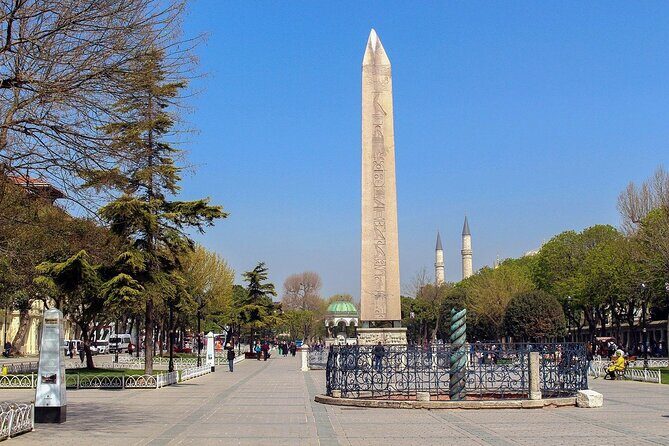
At Hippodrome Square (Atmeydanı Hippodrome), you’ll spend about 15 minutes. This is one of those spots where the labels sound simple, but the details matter: the area connects to chariot races in the Roman period, and you can still see remnants like the Egyptian Column from the Byzantine era.
One practical plus here is pacing. Coming to Hippodrome before Hagia Sophia and the Blue Mosque helps your brain connect the dots. You’ll notice how the “public square” idea keeps repeating in different empires, even when the architecture changes.
Hagia Sophia: plan for the security line, not a magic shortcut
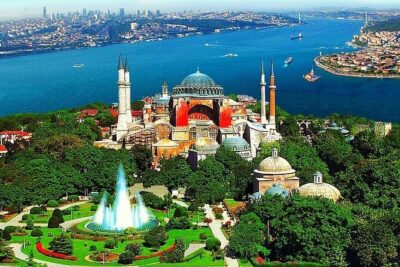
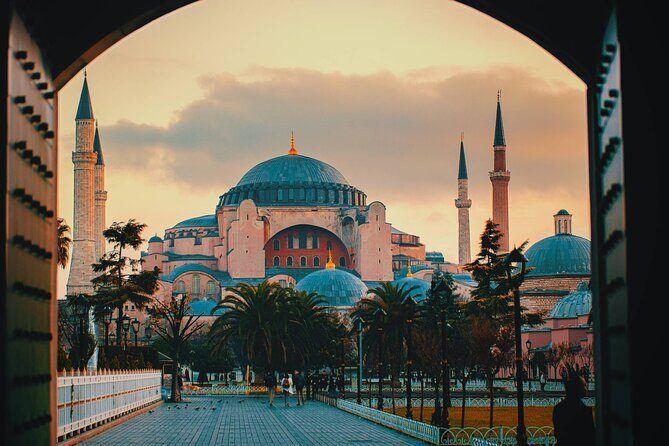
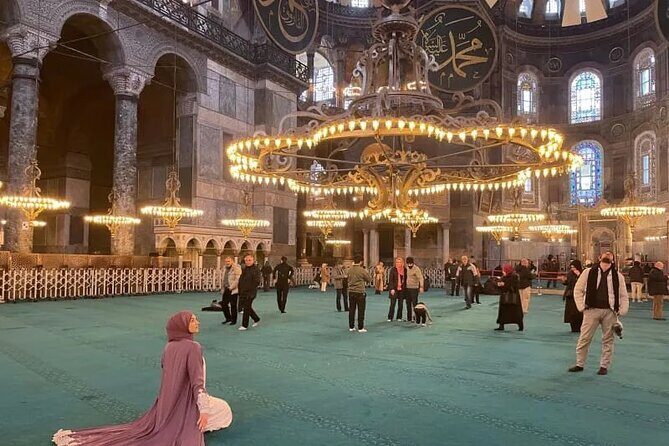
Hagia Sophia is the heavy hitter in this route, and the timing is designed to treat it like the main event. The visit is listed as about 1 hour, and admission is free for the tour, but the important note is access: it’s not a museum with skip-the-line priority for tours. You may need to wait in the security line.
I’d treat that as normal, not unusual. If you want the day to feel smoother, the tour suggests starting early—aim for 8:30am or 9:00am when possible. That kind of timing doesn’t just save minutes. It saves your mood.
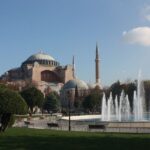
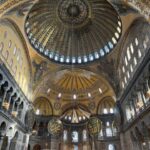
If you’re wondering what you’ll see, the description gives the essentials: it was built in the 6th century under Emperor Justinian, played major roles in Christian and Islamic worlds, and went through conversions over time, including mosaics being plastered over when it became a mosque and later changes that brought it back again as a mosque.





Blue Mosque: classic Ottoman design with real worship rules
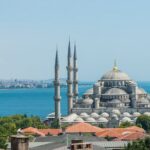
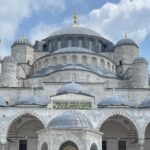
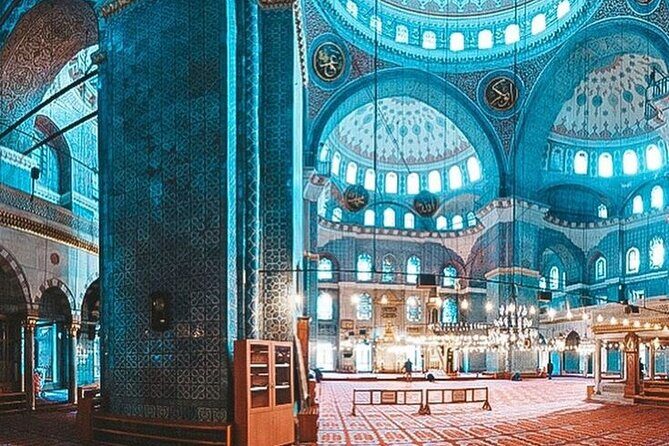
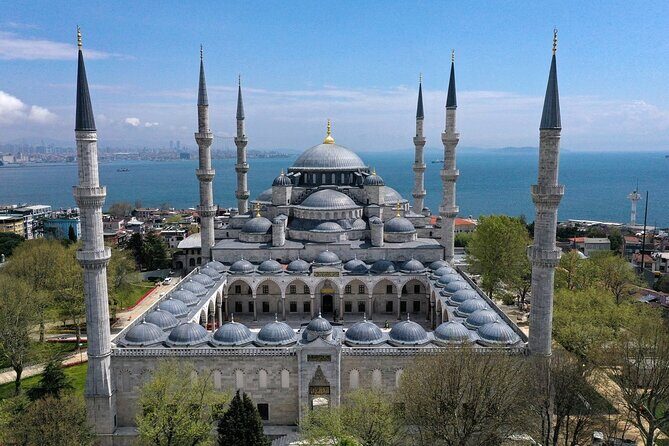
Right after Hagia Sophia, you move to the Blue Mosque (Sultanahmet Camii) for about 1 hour. This is another free stop for the tour, and the architecture is the point: built in the early 1600s for Sultan Ahmet I, it’s known for its massive scale paired with delicate proportions.
The practical consideration is worship access. On Fridays, the tour indicates that Hagia Sophia or the Blue Mosque may be visited from outside because of worship. It’s not a problem with the tour—it’s simply how the day works in the real world.
Also, you’ll want to dress and behave appropriately for a mosque visit. If you’re traveling with limited time, the guide’s timing choices matter a lot. The guides I heard about—especially Eren and Sedat—are described as good at explaining what you’re looking at without turning the visit into a lecture that eats up your energy.
The mosque time-saver and Basilica Cistern stop
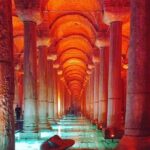
You’ll also see Basilica Cistern, but the tour design includes a trade-off: you have to skip one of the mosques to save time and visit the Cistern interior instead. The Cistern is described as a former water storage chamber and one of Istanbul’s key surviving Byzantine sites.
This is a good call for many first-timers. The Cistern is visual in a different way than the mosques and palace. It’s quieter, more atmospheric, and it gives you a “how did a city run” angle rather than only “what was built.”
Just remember: depending on the day’s flow and worship schedules, your exact balance between mosque time and cistern time can shift. That’s not something to worry about—it’s more proof the tour understands priorities and crowd reality.
Topkapi Palace: Ottoman power, not just pretty rooms
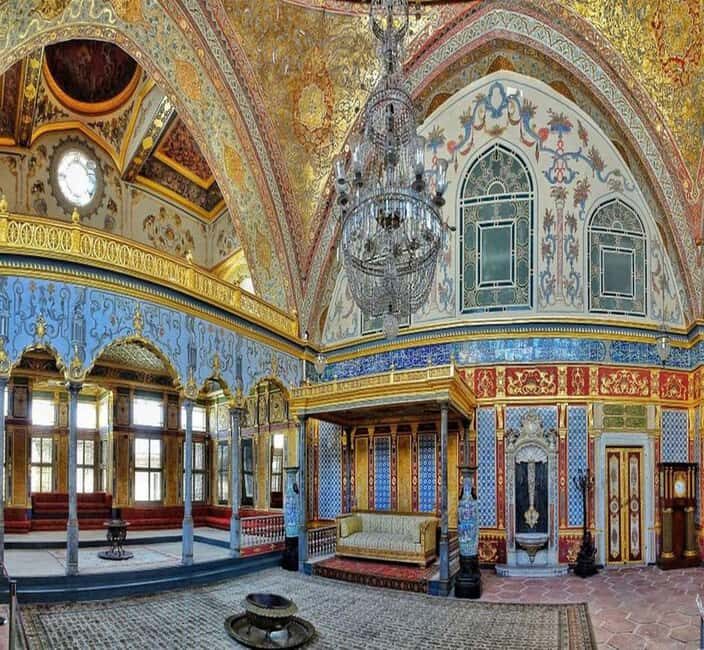
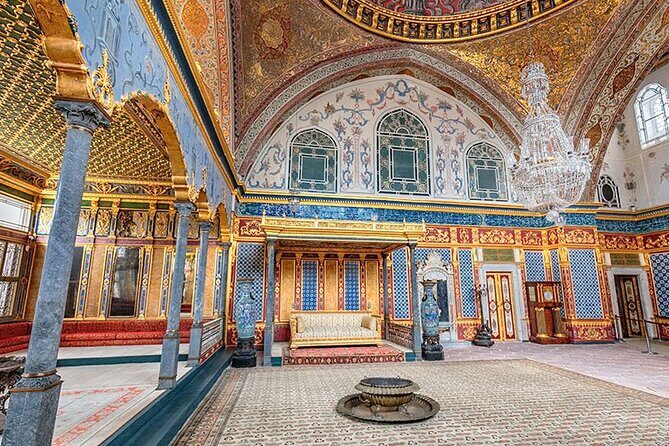
After the religious and historical landmarks, you head to Topkapi Palace for about 2 hours. Admission is not included, and that’s the one place where your budget planning should get real.
The reason Topkapi deserves that time is simple: it was more than a home for Ottoman sultans. It served as the seat of the supreme executive and judiciary council for close to 400 years. If you want to understand how authority worked—who made decisions, where people gathered, and how power displayed itself—Topkapi makes sense fast.
The tour’s descriptions also frame it as an architectural monument of Ottoman design. If you’re the kind of traveler who likes to connect buildings to the systems inside them, you’ll likely feel the payoff in the details.
Grand Bazaar: where shopping meets history, with a Sunday plan
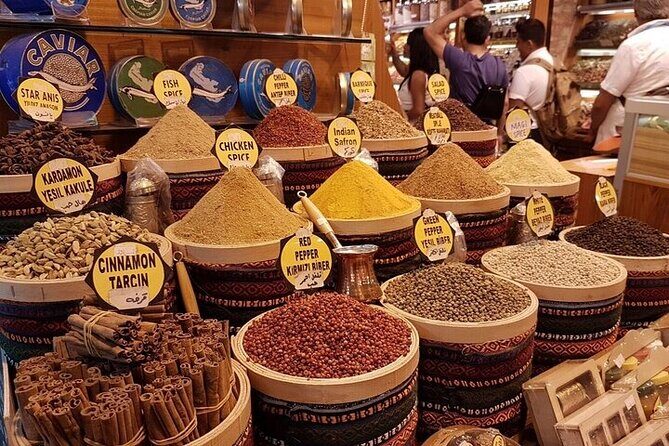
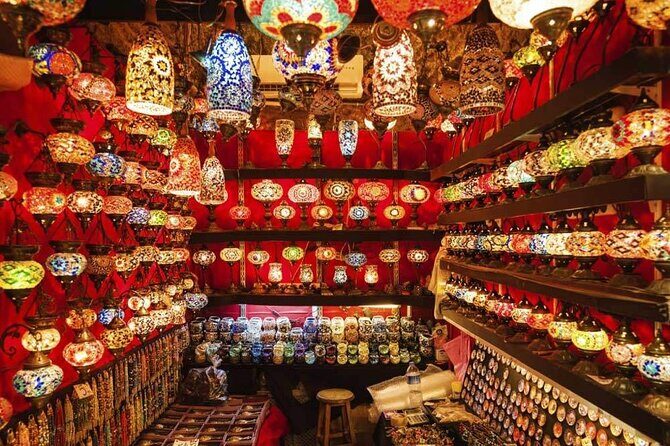
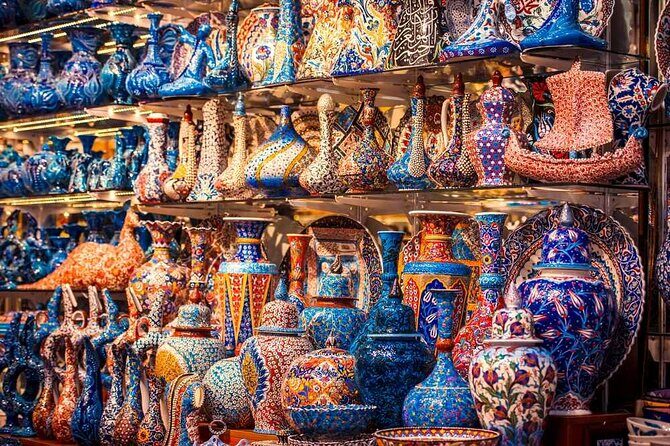
The final anchor stop is the Grand Bazaar (Kapalı Çarşı) for about 1 hour. It’s one of the oldest and largest covered markets in the world, with thousands of shops selling things like ceramics, leather goods, rugs and carpets, handicrafts, clothes, and even silver and gold.
A very practical heads-up: Grand Bazaar is closed on Sundays. On those days, the tour can replace it with the Spice Market instead. That matters if you’re planning around one fixed date—don’t assume you’ll get the Bazaar no matter what day you arrive.
If you like shopping, this stop is structured enough to keep it enjoyable. If you don’t, you can still use it as a cultural snapshot. Either way, I’d treat it as a chance to get a feel for everyday trade rather than a must-buy trap.
What the best guides do: pacing, explanations, and small adjustments
A tour is only as good as the guide’s rhythm. The names Naci, Murat, Eren, and Sedat come up in the experience details you should care about, because they’re described as effective at two things:
First, they keep the history readable. You’re not stuck with dates for hours. You’ll get the story behind major visual features—why certain additions mattered, what changes represented, and how symbols carried forward.
Second, they adjust to real schedules. One day might run with more time outside mosques; another day might need the order tweaked to stay comfortable. That flexibility is a big deal in Istanbul, where timing is always a little fluid.
Getting around: no included transport, so plan your meeting and your legs
The tour does not include transportation or meals. That means you should plan your day like a walking day with local transit options nearby. The tour meets you at central hotels or a meeting point, and it’s close to public transportation, which helps if you’re juggling schedules.
This matters most if you’re coming from a cruise port or another distant area. The listed format is walk-and-enter. If you want door-to-door comfort, this setup may feel less convenient than tours that bundle transport.
Who this Istanbul Old City tour is best for
This is a strong fit if you want:
- A private Old City day with guided storytelling
- The “big five” sweep: Hagia Sophia, Blue Mosque, Topkapi Palace, Grand Bazaar, plus major surrounding landmarks
- A route that balances key sights with time for quieter, atmospheric stops like the Basilica Cistern
It may not be ideal if you’re trying to do everything at your own speed. Since Hagia Sophia and mosques involve security and worship access rules, you’ll have less control than you would on a fully DIY day. Still, that’s exactly why a guide can help: they manage the order and keep your time from vanishing.
Should you book this Istanbul Old City Tour?
I’d book it if you’re spending only one day in Istanbul’s Old City and you want a guided, structured route through the core landmarks without feeling stuck. The big strengths are the licensed guide, the private group format, and the solid coverage that connects Roman, Byzantine, and Ottoman eras.
I’d think twice if you hate lines. Hagia Sophia access doesn’t come with skip-the-line priority, and Friday worship rules can shift interior access. If early mornings work for you, that worry shrinks fast.
FAQ
How long is the Istanbul Old City Tour?
The tour runs about 4 to 8 hours, depending on timing and how the day flows at major sites.
What does the $90 price include?
You get a professional licensed guide, a private tour for your group, and the guide meets you at central hotels or a meeting point. The tour also uses a mobile ticket.
Are museum and palace entrance fees included?
Some sites are free with no admission ticket cost noted, but Topkapi Palace admission is not included, and additional fees may apply for museums.
Is this tour private or shared with other groups?
It’s private. Only your group participates.
Do I get skip-the-line access for Hagia Sophia?
No. The tour notes there is no skip-the-line priority at Hagia Sophia, and you may need to wait in the security line.
Will I be able to go inside the mosques on Fridays?
On Fridays, the tour indicates Hagia Sophia or Blue Mosque will be visited from outside because of worship.
What happens if I’m touring on Sunday?
Grand Bazaar is closed on Sundays, and it can be replaced with the Spice Market.
What time should I start to reduce queues?
The tour suggests departing at 8:30am or 9:00am to help avoid queues, especially for Hagia Sophia security lines.
If you want, tell me your travel dates and whether you’re visiting on a Friday or Sunday, and I’ll help you choose the best start time and what to prioritize inside your day.