REVIEW · ISTANBUL
Little Hagia Sophia, Blue Mosque & Hagia Sophia Walking Tour
Book on GetYourGuide →Operated by Charlotte City Tour · Bookable on GetYourGuide
Istanbul’s oldest landmarks get a fast, smart walkthrough. This Little Hagia Sophia, Blue Mosque & Hagia Sophia route strings together the stories behind Sultanahmet Square, from Roman leftovers like the Theodosius Obelisk to Ottoman spectacle at the Blue Mosque. You’ll also hear how Constantinople’s Christian past links to the Islamic era that followed, with stops that are famous and a couple that feel quietly local.
What I like most is how the tour is built around explanation, not just sightseeing. The guide is an English-speaking pro with a focus on the Ottoman Empire and Middle Eastern history, and the experience is paced as a small-group walk so you’re not just following a herd.
One thing to consider: the day involves mosque clothing rules and a fair bit of walking. Also, entry timing can be affected by prayer hours, and one past booking had a guide cancellation that wasted the day, so it’s worth having a plan for last-minute changes.
In This Review
- Key highlights you’ll feel right away
- Sultanahmet in 3 hours: what you actually get
- Meeting near Tarihi Sultanahmet Köftecisi Selim Usta
- Blue Mosque and mosque-entry rules without last-minute panic
- The monuments around Sultanahmet Square: German Fountain and Theodosius Obelisk
- German Fountain: Ottoman–German ties in neo-Byzantine form
- Theodosius Obelisk: Egyptian stone, Constantinople placement
- Breaks and photo stops
- Little Hagia Sophia: the peaceful Byzantine prototype
- Hagia Sophia: how to see both faiths in one building
- Soğuk Çeşme Street walk: the Ottoman vibe after the big stops
- Price and value: is $46 worth your time?
- Who this tour fits best (and who should skip it)
- Should you book this tour?
- FAQ
- How long is the walking tour?
- Where do I meet the guide?
- What landmarks are included?
- Is Hagia Sophia admission included?
- Is entry to the Blue Mosque free?
- What should I bring?
- What clothing rules do I need to follow?
- Can I take photos with a camera flash?
- Is the tour suitable for kids?
- Is this tour wheelchair friendly?
Key highlights you’ll feel right away

- Blue Mosque tiles and design: you’ll know what you’re looking at, not just stare at pretty blue walls
- Little Hagia Sophia’s quieter scale: a smaller Byzantine survivor that helps you understand Hagia Sophia
- Sultanahmet Square stop-by-stop: German Fountain, Theodosius Obelisk, and the stories around nearby relics
- Hagia Sophia with context: Christian cathedral roots meet Islamic-era mosque art
- Soğuk Çeşme Street after the big sights: restored Ottoman-era atmosphere, calmer than the main complex
- Small-group pacing: built for 3 hours total, with breaks so you can keep up
Sultanahmet in 3 hours: what you actually get
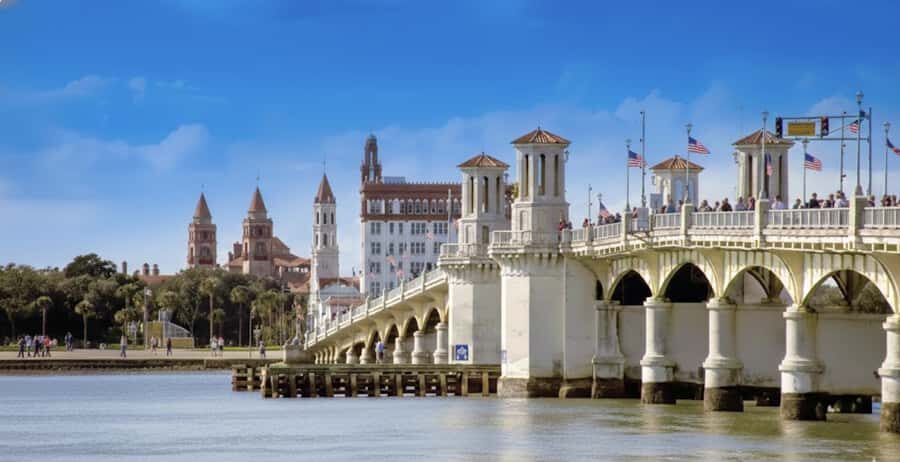
This is a compact walking tour—about 3 hours total, with around 2.5 hours of walking in the mix. That makes it ideal if you want the big landmarks without blowing half a day, and it’s also a good way to orient yourself in Sultanahmet fast. The route is focused: start near a local landmark, move through the square’s monuments, then hit the two most important religious buildings in the area.
The value here isn’t only the sights. It’s how the guide connects them. You’ll move from ancient stone into Ottoman architecture, and the tour keeps pointing out why these buildings look the way they do—especially at Hagia Sophia and the Blue Mosque. That context matters because both places can feel overwhelming on first sight. With someone explaining the design choices and historical shifts, your photos come out better too. You’ll know what to frame.
You can also read our reviews of more walking tours in Istanbul



Meeting near Tarihi Sultanahmet Köftecisi Selim Usta

You meet your guide outside the TARIHI SULTAHAHMET KOFTECISI SELIM USTA restaurant. I like meeting at a recognizable, everyday spot like this because it reduces stress. There’s no complicated “look for a tiny sign in a side alley” energy.
Tip: arrive a bit early and confirm you have the right person. One published downside from a previous booking was a guide cancellation where no one had been informed properly, and the group waited for hours. That’s rare, but it’s a reminder to show up prepared and to keep your contact/booking details handy in case plans shift.
Blue Mosque and mosque-entry rules without last-minute panic
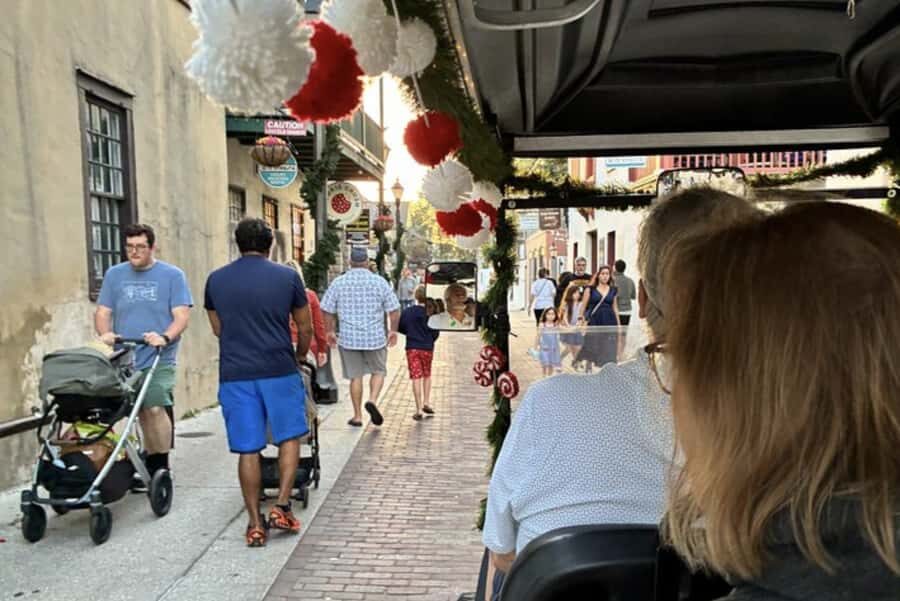
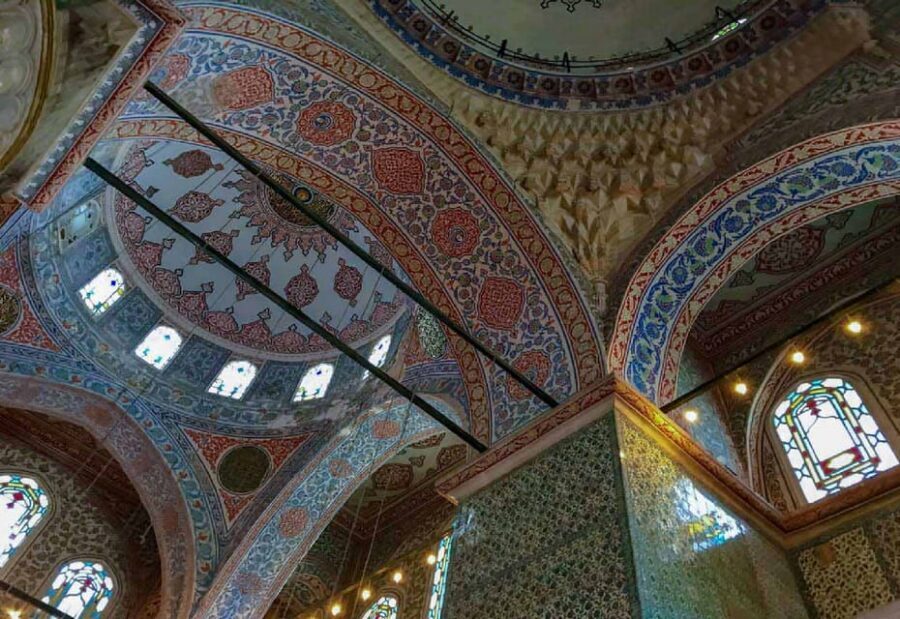
The tour includes a guided visit to the Sultan Ahmed Mosque (Blue Mosque), with a break and photo stops along the way. This is one of those places where the interior detail is the whole point. You’ll be looking at the famed blue Iznik tiles, plus the overall Ottoman grandeur—especially the scale of the prayer hall and the way light hits the surfaces.
Here’s the practical part: entry to the Blue Mosque is free, but you might need to wait outside during prayer times. So plan for some delay. If you’re thinking of squeezing another ticketed stop right after, give yourself buffer time.
Clothing rules can also be the biggest trip-killer for first-timers. You’ll want a headscarf (bring one if you don’t already have one) and wear modest clothes. Shorts, short skirts, and sleeveless shirts are not allowed, and flash photography is prohibited. Large bags and backpacks aren’t welcome inside either, and big umbrellas are also prohibited. If your plan includes carrying a heavy daypack, think again—you’ll be happier traveling light through this section.
The monuments around Sultanahmet Square: German Fountain and Theodosius Obelisk
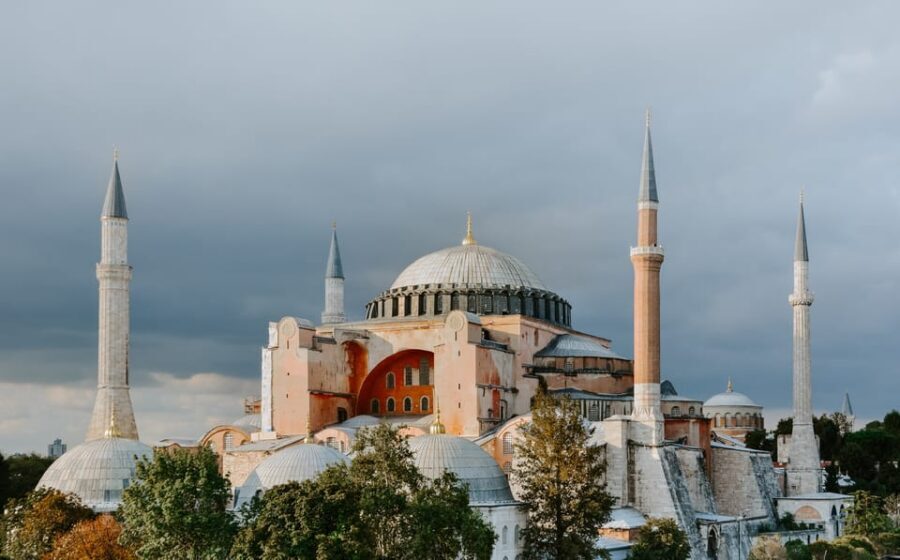
After the mosque, the tour moves into the story layer of Sultanahmet Square—where the ancient and diplomatic world overlap in surprising ways.
German Fountain: Ottoman–German ties in neo-Byzantine form
You’ll visit the German Fountain, described as a royal gift from a Kaiser with connections to Ottoman–German ties. What I like about this stop is that it shows Istanbul didn’t stop changing after the Byzantines. Even the “old-looking” features can have newer political meaning behind them. Your guide should help you spot the symbolism and the diplomatic angle that most people miss when they’re just trying to get their best skyline shot.





Theodosius Obelisk: Egyptian stone, Constantinople placement
Next is the Obelisk of Theodosius III. This is a standout because it’s old in a very specific way: it’s a 3,500-year-old monument originally from Egypt, brought to Constantinople under Emperor Theodosius and still standing today. The guide’s explanation helps you picture the movement of artifacts across empires, not as a random fact, but as part of how rulers advertised power.
Also, the story around the nearby ancient relics is part of the experience. The tour highlights the Serpent Column, once associated with the Temple of Apollo in Delphi, linked to a Greek victory over the Persians—though the snake heads are famously missing. If your brain loves small mysteries, this is the kind of detail that sticks after the tour ends.
Breaks and photo stops
You’ll get break time and photo stops around this area. That’s important because Sultanahmet Square can feel crowded fast, and the monuments are surrounded by people trying to do the same thing you are: hold still long enough for a clean shot. Using the breaks well makes the walk feel easier, not rushed.
Little Hagia Sophia: the peaceful Byzantine prototype
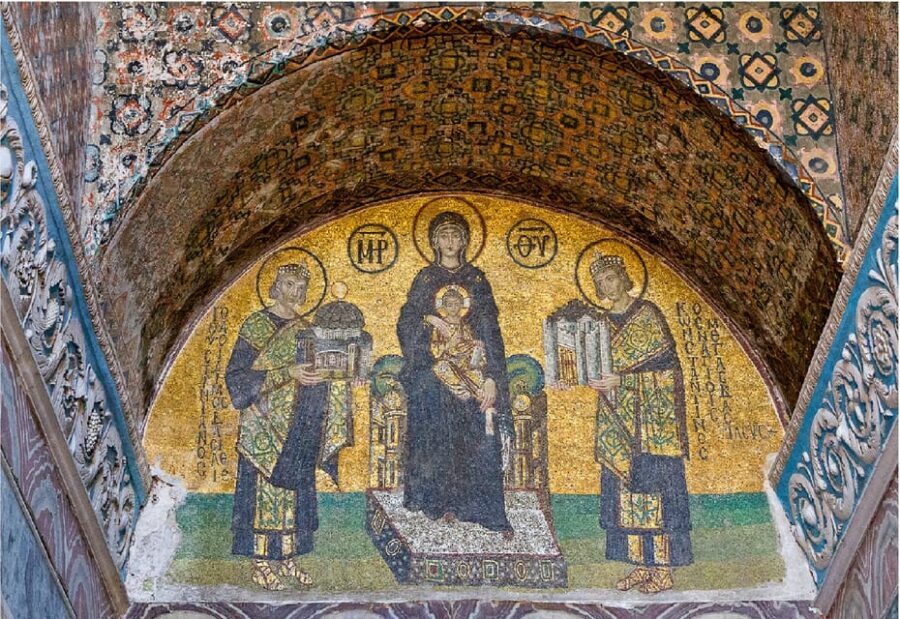
Then comes the star for many people who want a breather: Little Hagia Sophia. This stop is exactly why this tour feels different from the usual “see the two giants” route.
Little Hagia Sophia was built in the 6th century as the Church of Saints Sergius and Bacchus. It’s described as a prototype for Hagia Sophia—smaller, more intimate, and designed with an octagonal approach and a prominent dome. What you’ll notice during the visit is the quieter mood: marble columns, an elegant interior, and a sense that you can actually take your time.
I find this kind of stop crucial because it changes how you look at Hagia Sophia later. Without it, Hagia Sophia can feel like one huge awe-machine. With Little Hagia Sophia first, you get a “pattern recognition” moment: you start seeing architectural ideas that scale up at Hagia Sophia.
The tour also emphasizes that the atmosphere is more peaceful and less crowded. Even if you’re visiting during peak season, this stop can give you a calm pocket within the day.
Hagia Sophia: how to see both faiths in one building
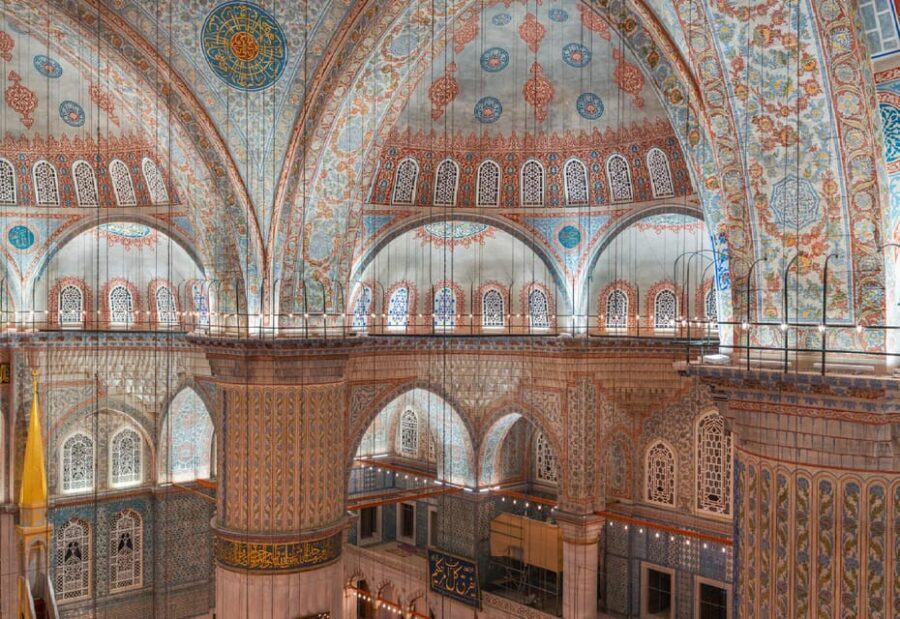
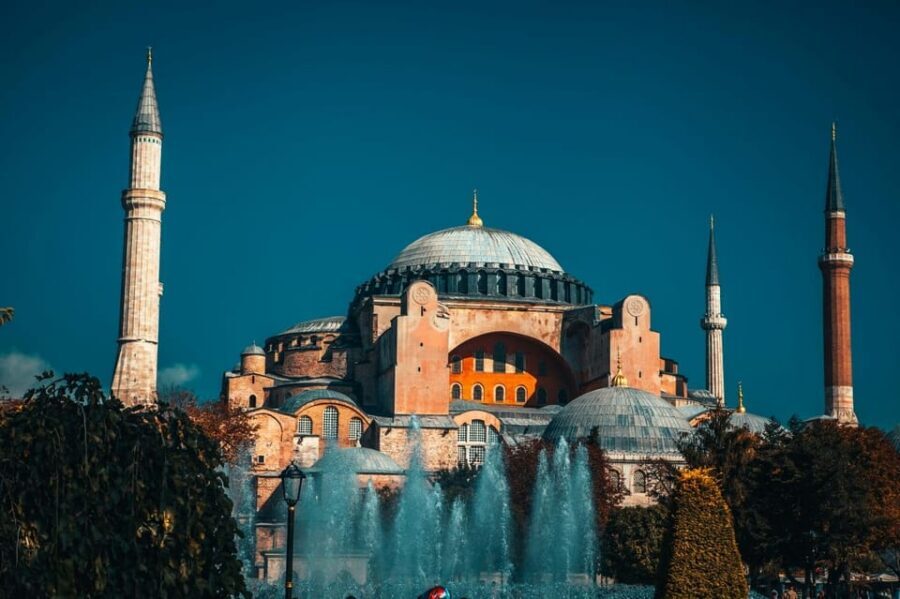
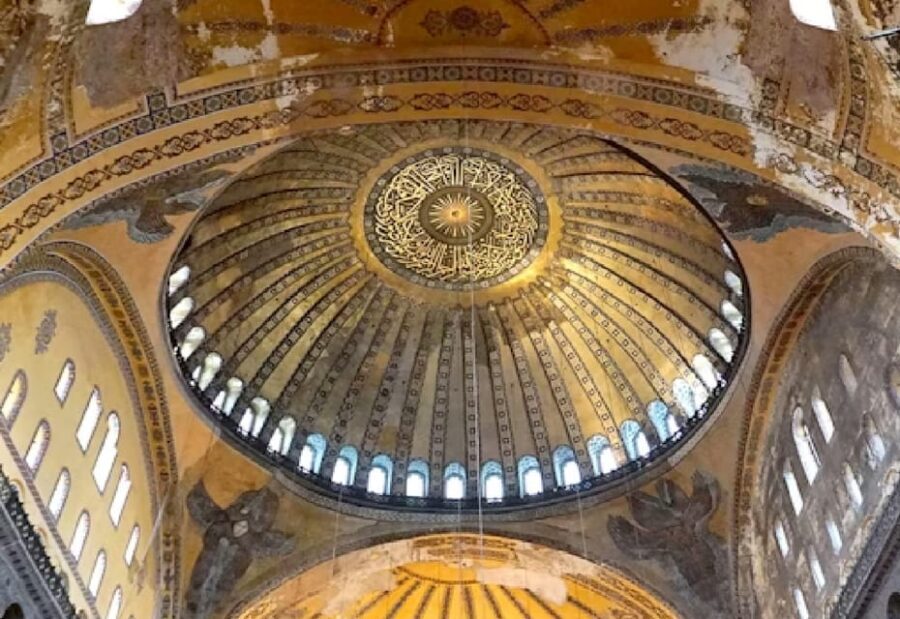
Now you reach Hagia Sophia. The tour frames it as a 1,500-year-old masterpiece that served as both a cathedral and a mosque. That dual identity is the heart of what makes the building so emotionally and visually powerful.
Your guide will point out the blend of Christian and Islamic art, which is the difference between “I saw a famous building” and “I understood what I was looking at.” The exterior can feel overwhelming, but inside the details reward attention. Hagia Sophia is the kind of place where a guide’s explanations help you slow down without getting bored.
There’s also free time at Hagia Sophia. That part matters. You want a little room to return to your favorite view, step back for photos, or sit for a moment. When a tour doesn’t include that breathing space, you end up rushing through the place that deserved your patience.
Practical note: the tour mentions priority admission tickets to Hagia Sophia are not included. So if you’re trying to avoid lines entirely, you might still face waiting depending on the day. On a good day, your timing works out; on a busy day, you’ll want patience.
Soğuk Çeşme Street walk: the Ottoman vibe after the big stops
The tour’s ending includes a peaceful stroll along Soğuk Çeşme Street. This is described as a quieter route where history whispers through the cobblestones—lined with restored Ottoman mansions. It’s a smart way to end, because by the time you get there, you’ve already spent time in the “headline” buildings.
This street section gives you a break from the main complexes and helps you remember that Sultanahmet isn’t only monuments. It’s also a neighborhood feel—small-scale elegance and everyday texture.
If you care about authenticity, this is where you’ll feel it. The pace slows. You get details that you can’t get from the big viewpoint spots alone. Even if you don’t buy anything, walking the street is a mental reset.
Price and value: is $46 worth your time?
At $46 per person for a roughly 3-hour guided walk, the price is reasonable for central Istanbul, especially because you’re getting:
- Multiple major landmarks close together
- A guide focused on Ottoman Empire and Middle Eastern history
- A small-group format
- Built-in photo stops and breaks
What makes it good value is the blend of famous architecture plus a couple of stops that help you understand the big ones. Little Hagia Sophia and the German Fountain aren’t always on the fastest, cheapest routes, and those are exactly the stops that make the tour feel like more than a checklist.
The main “value risk” isn’t the price—it’s timing and access. Prayer-hour waiting at the Blue Mosque can affect flow. Also, because priority admission isn’t included for Hagia Sophia, you may still deal with some line time. If you’re the type who can’t stand delays, build in extra time for the day.
Who this tour fits best (and who should skip it)
This works best if you:
- Want context for the Blue Mosque and Hagia Sophia, not just photos
- Like walking through history in a concentrated zone
- Prefer a small group over a big bus-style experience
- Have a headscarf and are ready for mosque dress rules
Consider skipping or switching tours if you:
- Need minimal walking. The tour involves a moderate amount of walking.
- Have restrictions with mosque-entry clothing rules. You’ll be expected to follow modest dress and avoid forbidden items.
- Have mobility needs. The details mention it’s not suitable for wheelchair users and people with mobility challenges, even though it’s listed as wheelchair accessible. That conflict is worth taking seriously—you should confirm before booking.
Should you book this tour?
Yes, I think you should book it if your goal is to understand Sultanahmet, not just sprint between landmarks. The biggest strength is how the guide connects the sites—especially the way Little Hagia Sophia prepares you to appreciate Hagia Sophia, and how the Blue Mosque becomes more than blue tiles once you know what to look for.
But book with your eyes open. Plan for prayer-time waiting at the Blue Mosque, travel light for mosque entry, and keep confirmation info accessible. And if your schedule is tight, add buffer time so you’re not trying to run across Istanbul the second you finish.
If you want, tell me your travel dates and when you plan to visit Sultanahmet. I can help you pick a timing that reduces waiting and fits the dress rules comfortably.
FAQ
How long is the walking tour?
The tour duration is listed as 3 hours, and it includes about 2.5 hours of walking.
Where do I meet the guide?
Meet your guide in front of the TARIHI SULTAHAHMET KOFTECISI SELIM USTA restaurant.
What landmarks are included?
You’ll visit Sultan Ahmed Mosque (Blue Mosque), Little Hagia Sophia, Hagia Sophia, and you’ll also pass key Sultanahmet Square monuments such as the German Fountain and the Obelisk of Theodosius III.
Is Hagia Sophia admission included?
Priority admission tickets to Hagia Sophia are not included.
Is entry to the Blue Mosque free?
Yes, entry to the Blue Mosque is free, but you may need to wait outside during prayer times.
What should I bring?
Bring a headscarf.
What clothing rules do I need to follow?
Modest clothing is required. Shorts, short skirts, and sleeveless shirts are not allowed. Flash photography is also prohibited inside the Blue Mosque.
Can I take photos with a camera flash?
No. Flash photography is prohibited inside the Blue Mosque.
Is the tour suitable for kids?
It is not suitable for children under 6.
Is this tour wheelchair friendly?
It is listed as wheelchair accessible, but the notes also say it is not suitable for wheelchair users and those with mobility challenges, so you should be cautious and confirm suitability for your needs.