REVIEW · ISTANBUL
Museum of Illusions Istanbul Ticket
Book on Viator →Operated by Museum of Illusions Istanbul · Bookable on Viator
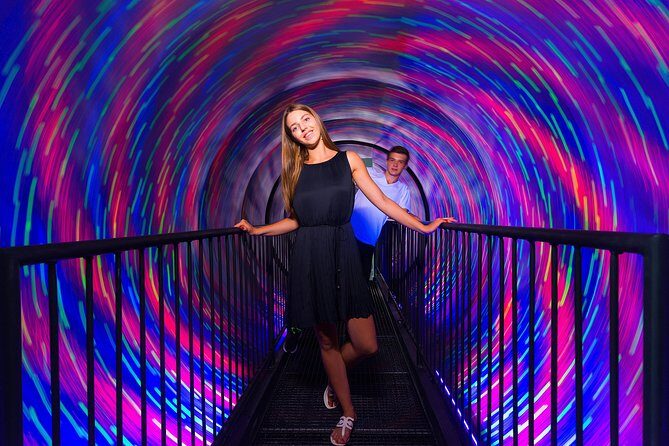
Your eyes will argue with you here. I love the Infinity Room, and the museum packs in 60+ illusions you can test with your own stance. It’s a low-effort way to get big, weird results in the middle of Istanbul.
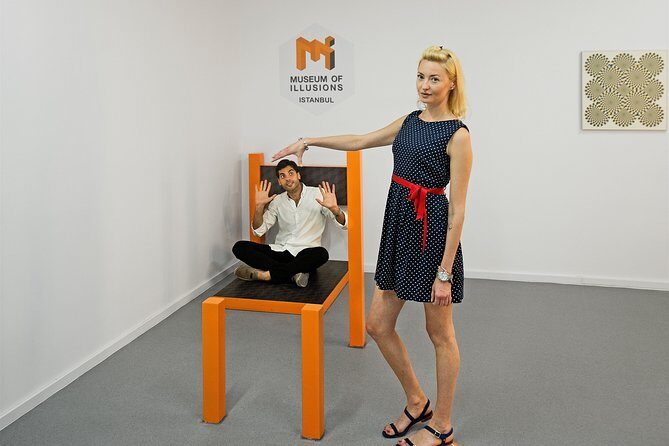
I also love the Clone Table setup, because the whole point is lining up your camera, standing where the floor marks tell you, and creating repeatable tricks without feeling rushed. It’s one of those places where you can keep trying, and your photos get better each round.
The catch is size. It is fun, but it is not a huge, all-day museum, so the price can feel high if you expected a big lineup of exhibits.
In This Review
- Key things to know before you go
- Museum of Illusions Istanbul: What You’re Actually Paying For
- Price and Time: Does $20.11 Feel Fair?
- Finding the Museum Near İstiklal Street and Sishane
- Entry Experience: Mobile Ticket and Small Groups
- Inside the Museum: How to Get the Best Illusions Photos
- Infinity Room: The Standout Illusion for Forced Perspective
- Clone Table: Where the Photos Do the Talking
- How Long You’ll Need (And What to Do If You’re Short on Time)
- Who This Museum Is Best For
- Weather-Proof Fun in Istanbul
- Staff and Accessibility: What to Expect
- Should You Book the Museum of Illusions Istanbul Ticket?
- FAQ
- How long does the Museum of Illusions Istanbul visit take?
- How many illusions are inside?
- Is the ticket delivered on my phone?
- Where is it located and how do I get there?
- Are there places to stand for photos?
- Can I cancel for a refund?
Key things to know before you go
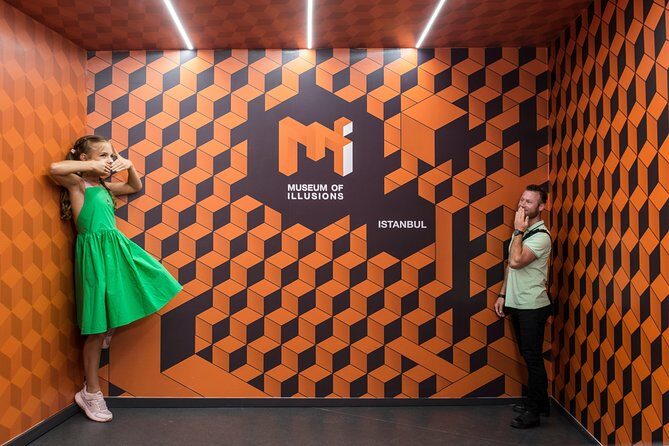
- 60+ illusions focused on optical tricks and hands-on moments
- Infinity Room and Clone Table are the standout exhibits for photo effects
- Clear photo instructions and set standing spots to help you get the shot right
- Near public transport, including the Sishane area, and close to İstiklal Street
- Lift available, in case stairs are an issue for you
- Small groups (max 10) and a mobile ticket for easy entry
Museum of Illusions Istanbul: What You’re Actually Paying For
This ticket is built for one thing: getting your brain to misread what your eyes are seeing. You walk through a compact space filled with more than 60 illusions, and many of them are designed around people taking photos. That changes the feel. You’re not quietly studying behind barriers. You’re moving, posing, watching the effect change, then trying again.
For me, the value logic is simple. If you enjoy photo challenges and you like interactive, optical “wait, what?” moments, you’ll feel like you got your money’s worth. If you prefer slow, text-heavy museums, you might bounce off it quickly.
The typical visit runs about an hour. Some people finish closer to 40 minutes, especially if they’re snapping photos fast. That time window matters because the ticket price is easiest to justify when you actively enjoy multiple exhibits instead of searching for “the big one” and only finding a few.
Also, it’s family-friendly in spirit. The space is set up so kids can play along, and adults can still find plenty of tricks to photograph. I’d treat it as a fun break from longer sights, not as your main cultural anchor for the day.
You can also read our reviews of more tours and experiences in Istanbul



Price and Time: Does $20.11 Feel Fair?
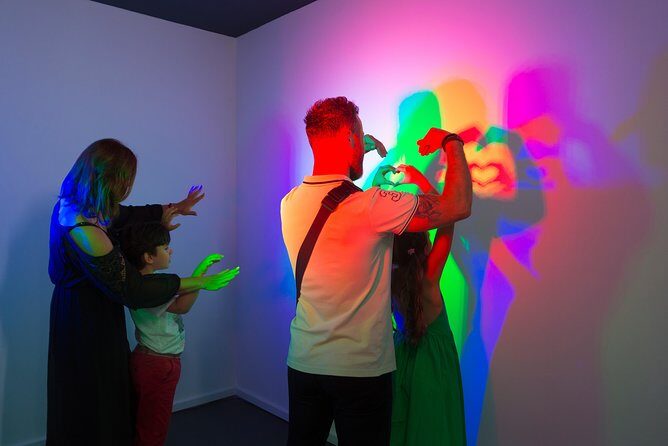
At $20.11 per person, you’re paying for a short, high-concept experience. The museum runs for about an hour on average, and it’s very easy to spend your time actually participating—especially with photo spots and repeatable scenes.
Here’s the fair way to judge it: if you come prepared to take photos and you enjoy trying different angles, you’ll likely get more than a quick glance at a few displays. If you show up expecting lots of rooms and deep explanations, the smaller size can make the cost feel steep.
There’s also a bit of “expectation math” at work. Some visitors feel the museum is smaller than expected and that the exhibit lineup is limited, which can lead to disappointment. On the other hand, many people leave happy because the illusions are genuinely fun, and the museum is a great rainy-day activity when you want something indoors that still feels playful.
Bottom line: I’d book it when you want a photo-driven, brain-twisting stop for roughly an hour. If you only want one or two illusions, you’ll probably wish you had chosen something with more time depth.
Finding the Museum Near İstiklal Street and Sishane
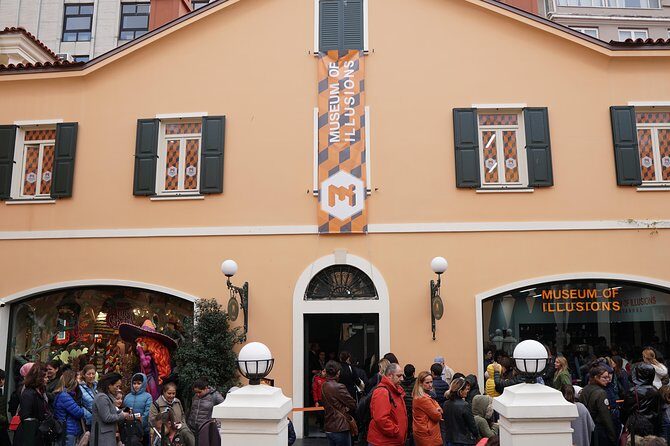
Location is one of those details that can make or break your first 10 minutes. The museum sits near the Sishane area, and it’s also connected to the İstiklal Street scene. That’s convenient because you’re not stuck out in the suburbs.
Still, it can be tricky at street level. The museum is located in an arcade of shops, and it helps to use a nearby landmark. A helpful tip people share is to look for Starbucks and you should spot it from there.
Once you’re inside the area, you’ll find it’s in a fairly compact footprint, which also explains why the visit can be short. If you’re short on time, that’s a plus. If you’re the type who likes to wander until your feet tell you it’s time to stop, it may feel like you’re done sooner than you wanted.
My practical advice: give yourself a little buffer before your time slot. If you arrive stressed, you’ll spend that stress photographing less and moving more slowly through the illusions.
Entry Experience: Mobile Ticket and Small Groups
This is a mobile ticket experience, which is usually a good sign in a museum like this. You’re not juggling paper tickets at the entrance, and you can keep everything on your phone.
The group size is also small, with a maximum of 10 travelers. That matters more than it sounds. When the museum is full, you might have to wait your turn for the photo effects. Smaller groups usually mean less crowding in the most popular illusion spots.
The museum also feels designed for self-paced exploring within a set visit window. You’re not being herded through like a bus tour. Instead, you’re free to move between exhibits and focus on the photo instructions and where you should stand.
If you’re going as a solo visitor, just know the experience is very photo-focused. You might have to rely on the staff or others to help with certain shots, and that can change how smooth your visit feels.
Inside the Museum: How to Get the Best Illusions Photos
Most of the value here comes from doing it properly for the camera. You’ll see clear signs showing where you can stand to take photos. That’s not just helpful. It’s part of the design. These illusions depend on your position and angle.
A smart approach is to treat it like a mini photo shoot with a time limit. Start calm. Take one quick photo to check the setup. Then adjust your distance or stance and take a second round. A lot of the fun is watching the effect update as you move.
Bring a camera with a full battery and lots of storage space. This place is very “proof of experience” oriented. You’ll want multiple shots, not just one, because the magic is visible in the difference between one pose and the next.
One more practical point: photo rules. The experience is set up so you can take photos freely, and there does not seem to be any strict limit that makes you rush. That reduces stress, which is good in a compact museum where you might otherwise feel pressured to speed through.
If you care about group photos, this is also where staff help can matter. People have mentioned support from staff member Lamia in getting great photos. That tells me the staff may be willing to assist with positioning, especially when you’re not traveling with someone who can easily take pictures for you.
You can also read our reviews of more museum experiences in Istanbul




Infinity Room: The Standout Illusion for Forced Perspective
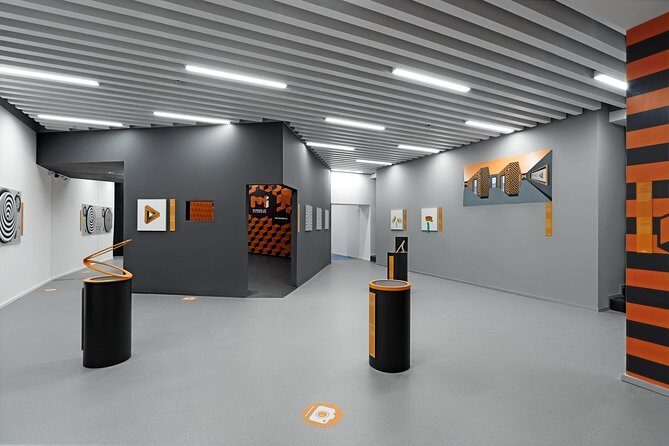
The Infinity Room is a major draw, and it’s easy to see why. These kinds of rooms are built on forced perspective and repeated visual patterns. When you stand in the right place, the room looks like it goes on forever, and your photos capture that illusion in a dramatic way.
What you should expect is movement changing the effect. If you stand still, you get one version. If you shift your angle, the “depth” looks different in photos. That makes it fun even if you’ve seen similar concepts elsewhere, because it still works through your own body positioning.
This is also one of the best exhibits for anyone who likes a clear moment of payoff. You don’t have to decode it. You just do what the sign says, take photos, and watch your results appear.
Drawback? It can be popular, so if the space is busy, you may wait briefly for your turn or for enough space to line up. But the museum’s small group size helps reduce the pressure.
If you want the best photos, take a few test shots first. Check whether your camera angle is matching the floor instructions. Then do a second set where you try one small change in stance. That’s usually where the “wow” images come from.
Clone Table: Where the Photos Do the Talking
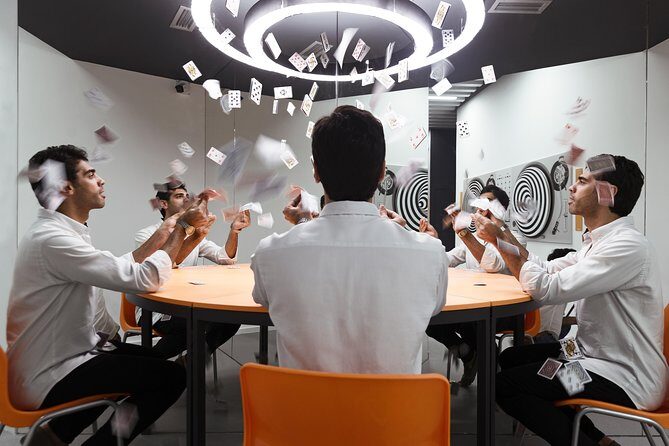
The Clone Table experience is another highlight because it’s built for repeatable photo moments. Instead of one quick effect, it invites you to position yourself for a trick that looks like there are multiple versions of you.
This is exactly the kind of exhibit where photos matter more than reading. You’ll likely spend time stepping in and out of the marked spot, then adjusting how you stand or where your hands are positioned. The goal is to make the effect look natural and aligned in the frame.
There’s an added social angle here. If you’re traveling with friends or family, this is where shared photos become the souvenir. If you’re solo, it’s still fun, but your experience can depend on whether someone is available to help with certain shots.
In terms of time planning, the Clone Table is one of the exhibits that can stretch your hour. Even if the museum is compact, you may linger here because you want photos you actually like, not just photos that document you were there.
One practical advantage: people say the museum uses clear standing spots, which helps you avoid guessing. That makes the Clone Table feel less frustrating and more like a guided photo playground.
How Long You’ll Need (And What to Do If You’re Short on Time)
Most people can finish in about an hour. That’s the built-in rhythm. Some visitors mention closer to 40 minutes, which suggests you can do a quick loop if you’re mostly focused on the top exhibits and you’re efficient with photo stops.
So how do you decide your pace? Ask yourself what you want from your visit:
- If you want more photos than explanations, move faster and target the biggest illusion rooms first.
- If you want to enjoy each exhibit slowly, you’ll likely use most of the hour.
The museum is one floor with a limited set of activities. That structure is part of its charm and part of the criticism. When it’s good, it’s a tightly packed hour of fun. When it disappoints someone, it’s because they expected more rooms to explore.
If you’re visiting Istanbul and you’re also planning a neighborhood walk along İstiklal Street or around Sishane, timing matters. This museum works best as a planned break—especially if the weather is rainy. It’s the kind of indoor stop that still feels playful instead of like a long waiting room.
Who This Museum Is Best For
This is a good fit if you want a short, photo-forward activity that doesn’t require a deep background in art or science. It works well for young teens too, since they often enjoy figuring out the trick and getting perfect angles.
It’s also good for mixed-age groups. The museum positions itself as fun for everyone, and people mention it works for kids. That said, if you’re bringing very small children, your tolerance for short attention spans might matter. Some people feel even small children struggle to find enough to do, so it’s worth keeping your expectations realistic.
Adults enjoy it for different reasons. If you like playful challenges and you’re the type who enjoys taking “one more shot” until it clicks, you’ll probably have a better time than someone who wants a quiet museum experience.
Solo visitors can have a slightly different experience. Because so many illusions are designed for photo results, you may find it less smooth if you can’t easily take photos yourself. Some staff help with photos, which can make it easier, but the overall setup still favors pairs and groups.
Weather-Proof Fun in Istanbul
One underrated value here is weather resilience. When Istanbul weather turns gray, many indoor activities feel like chores. This one feels like play. The museum is a comfortable indoor break, and it’s practical because you can still get a full set of photos and leave with real memories.
Also, it’s easy to combine with other nearby plans. Since it’s near public transportation and connected to İstiklal Street/Sishane, you can treat it as a stop in a larger day plan instead of a destination that isolates you.
If you’re trying to keep your day balanced—walk outside when it’s nice, then switch indoors when it isn’t—this ticket fits neatly.
Staff and Accessibility: What to Expect
Staff professionalism comes up for a reason. People describe the team as friendly and professional, and some mention staff helped them get through a full hour even after being late.
That matters in practice because you don’t want your trip to feel like you’re negotiating entry rules mid-day. A supportive staff makes the experience smoother and more relaxed, especially in a museum that’s all about staying in position and trying again.
Accessibility note: there is a lift if you’re not able to do the stairs. That can remove a lot of friction for visitors who would otherwise feel stuck on the staircase decision. If stairs are part of your concern, it’s still smart to plan around getting there comfortably and asking the staff if you need help locating the best route once you arrive.
Should You Book the Museum of Illusions Istanbul Ticket?
I’d book it if you want a short, photo-driven activity with big, clear payoff moments. The Infinity Room and Clone Table are the kind of exhibits you can plan around, and the museum’s compact size helps you fit it into a busy Istanbul day without losing half your schedule.
I would skip it (or at least rethink your timing) if you need a large museum with lots of varied exhibits and you’re not that interested in staging photos. Some people feel the museum is smaller and the exhibit lineup is limited, which can turn a fun outing into a “why did I pay so much?” moment.
Also, be honest about your expectations for duration. If you’re expecting an all-day experience, this isn’t that. If you’re happy with about an hour of playful illusion-hunting and you bring a charged camera, it tends to land well.
If you want an easy, weather-proof stop near Sishane/İstiklal Street, this ticket can be a great choice.
FAQ
How long does the Museum of Illusions Istanbul visit take?
The experience is listed at about 1 hour. Some visitors report finishing in around 40 minutes, depending on how quickly you move between photo spots.
How many illusions are inside?
You can explore more than 60 illusions throughout the museum, with popular exhibits like the Infinity Room and Clone Table.
Is the ticket delivered on my phone?
Yes. This experience uses a mobile ticket.
Where is it located and how do I get there?
It is in Istanbul near public transportation, including the Sishane area. People also mention it’s near İstiklal Street and that it’s inside an arcade of shops where spotting Starbucks nearby can help you find the exact location.
Are there places to stand for photos?
Yes. There are clear signs indicating where you can stand to take photos, and there is no stated limit mentioned for photo shooting.
Can I cancel for a refund?
Yes. You can cancel for free up to 24 hours in advance of the experience start time for a full refund.