REVIEW · ISTANBUL
3-Day Cappadocia & Ephesus Tour from Istanbul
Book on Viator →Operated by Neon Tours · Bookable on Viator
Turkey, but in fast-forward.
This 3-day combo is interesting because it’s built around time-saving domestic flights and concentrates your daylight on major sights instead of bus time. I especially like the 4-star boutique cave hotel in Cappadocia and the way the trip connects the otherworldly rock sites of Göreme with the ancient gravitas of Ephesus. The route is a smart shortcut for Turkey’s “big distances” problem, but one consideration is that the days run long and the handoffs can feel a bit dependent on solid communication.
If you’re the kind of traveler who hates uncertainty, this is the only part that might bug you. Some past guests have flagged weak communication about the full flow and pickup timing, and that’s worth keeping in mind—especially on Day 1 when you’re moving between Istanbul airport steps and the Cappadocia guide meet-up.
In This Review
- Key takeaways before you go
- Why this Cappadocia-and-Ephesus route saves you real vacation days
- Day 1: Istanbul to Kayseri, then Göreme, Pasabag, and Uchisar’s big views
- Göreme Open-Air Museum (UNESCO)
- Avanos pottery time (and why it fits)
- Pasabag (Monk’s Valley) and Dervent Valley
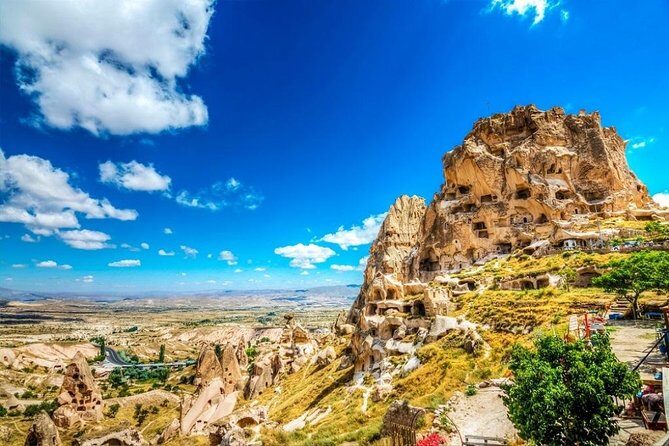
- Uchisar Castle for the view payoff
- Day 2: Rose Valley hikes, Çavuşin village sights, and Kaymaklı Underground City
- Rose Valley walk with church and tunnel spotting
- Çavuşin and the cave mosque stop
- Mustafapaşa (short visit)
- Kaymaklı Underground City (the most physical stop)
- Day 3: Ephesus ruins plus Meryemana’s pilgrimage calm
- Ancient City of Ephesus: the walking-tour format matters
- Meryemana (House of the Virgin Mary)
- End point: Izmir airport or hotel, with an optional return flight upgrade
- Hotels in Cappadocia and Izmir: where the comfort matches the theme
- The hot air balloon option: worth it, but only if you plan smart
- Price and value: what $1,410 is buying you (and what it isn’t)
- Group size and pacing: small enough to feel personal, long enough to feel real
- Who this tour fits best (and who should rethink it)
- Should you book the 3-Day Cappadocia & Ephesus Tour from Istanbul?
- FAQ
- What does the tour include for flights?
- Where do you get picked up and where does the tour end?
- What kind of hotel do you stay in during Cappadocia?
- Is a hot air balloon ride included?
- How many people are in the group?
- What meals are included?
- Is there a fitness requirement?
Key takeaways before you go
- Flying between regions keeps this trip from turning into a nonstop road saga
- Göreme Open-Air Museum + fairy-tale valleys give you the Cappadocia “wow” early
- Kaymaklı Underground City adds a real, physical sense of how people lived underground
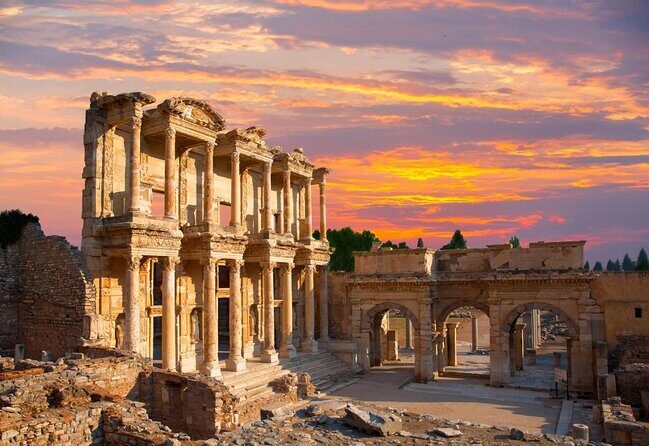
- Ephesus walking time hits top ruins like the Temple of Hadrian
- Optional hot air balloon is the extra you’ll most likely feel good about adding
- Small group (max 14) helps the pacing feel more human
Why this Cappadocia-and-Ephesus route saves you real vacation days
Turkey is huge. That’s the good news and the logistical headache. This tour solves it with a practical approach: you fly from Istanbul to Kayseri for Cappadocia, then fly onward to the Izmir area for Ephesus. The result is that your limited time gets spent on the sights you came for—UNESCO Göreme, underground churches and cities, and Ephesus’ major classical ruins—rather than losing hours to transfers.
I also like the “two-region” balance here. Cappadocia is dramatic and visual: fairy chimneys, valleys, cave churches. Ephesus is slower and stone-heavy: columns, temples, and the famous walk-through feel of a preserved ancient city. Doing them back-to-back is a jolt of variety, and it keeps the trip from feeling like one long theme park of the same kind of scenery.
One more point for value: the price you’re quoted includes the domestic flights plus two guided days and two 4-star overnights. That matters because flights and hotels can quietly become the biggest part of any short tour.
You can also read our reviews of more tours and experiences in Istanbul
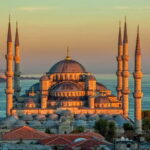
Day 1: Istanbul to Kayseri, then Göreme, Pasabag, and Uchisar’s big views
Your day starts with pickup in central Istanbul (the Ottoman Hotel Imperial area in Sultanahmet is listed as the start point), then travel to the airport in time for the flight to Kayseri. Once you land, you meet your guide and drive deeper into Cappadocia. This structure is important: it means you’re not just landing and waiting for the next activity—you’re actively pulled into the region right away.
Göreme Open-Air Museum (UNESCO)
Your first major stop is Göreme Open-Air Museum, one of the signature UNESCO sites in Cappadocia. This is where you see the famous rock-cut church complexes and the “fairy chimney” vibe in the same setting. The guide time is useful because it helps you read what you’re looking at—Byzantine-era context and how the carvings and structures fit into the broader story of the area.
If you’re the type who enjoys walking with explanations rather than just taking photos, this is one of the best segments of the tour.
Avanos pottery time (and why it fits)
After Göreme, the route continues to Avanos, a town tied to pottery production. You get a short workshop-style visit. The benefit here isn’t that you’ll become a potter by lunchtime; it’s that the town gives Cappadocia texture beyond rocks. You’re seeing a local craft tied to the region’s identity.
Pasabag (Monk’s Valley) and Dervent Valley
Next up is Pasabag (Monk’s Valley). This is the place for cone-like rock formations tied to hermits and monks who lived in isolation. It’s one of the stops where a little walking helps you understand how the shapes dominate the ground level, not just from afar.
Then the itinerary includes time in Dervent Valley, where you’ll notice fairy chimneys scattered across the terrain. That “walk and spot” approach works well because Cappadocia can overwhelm you if you only drive between lookouts.



Uchisar Castle for the view payoff
Finally, you visit Uchisar Castle, with a shorter stop length. This is a good capstone because it gives you a high vantage point over the rock formations. It’s also one of the places where you can slow down for photos and absorb the “how did this happen?” feeling.
Day 1 drawback to watch for: it’s not a short day. Between flight timing and multiple short stops, you’ll want to travel light and keep water and snacks handy if you’re the type who needs them. Your tour notes say food and drinks aren’t included unless specified, so plan accordingly.
Day 2: Rose Valley hikes, Çavuşin village sights, and Kaymaklı Underground City
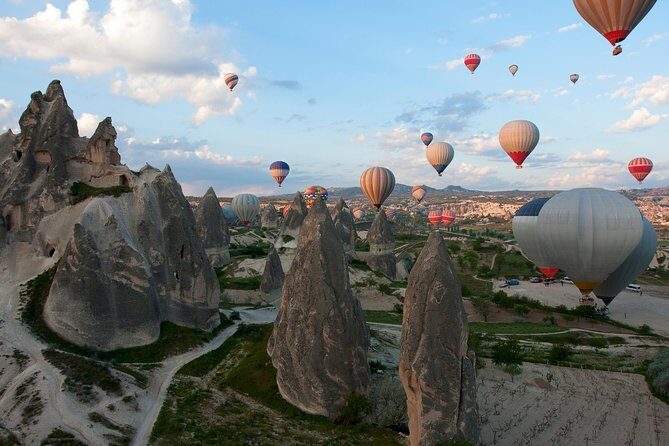
Day 2 gives you a calmer breakfast start and then another guided Cappadocia circuit.
Rose Valley walk with church and tunnel spotting
The route includes Rose Valley, a red-hued stretch between villages (noted as Göreme and Çavuşin). You’ll walk while your guide points out rock-carved churches and tunnels. This is a great day choice if you like “guided seeing”—you get context for why certain openings and carvings matter.
Also, Rose Valley is a nice change from the bigger “museum” style. It’s more like a living geology corridor with villages embedded in it.
Çavuşin and the cave mosque stop
You also stop at Çavuşin, including a look at a cave mosque. That helps show that these rock spaces didn’t end with the old empires. Even if you’re not religious, it’s the reminder that people continued to shape the area for practical life.
You’ll also have lunch time with your own expense. That’s good because it gives you flexibility, but it does mean you should decide in advance how you’ll handle meals and payment.
Mustafapaşa (short visit)
There’s a brief stop at Mustafapaşa. A short visit can feel like “just enough to notice,” but it can also work if you’re using the day to learn the region’s geography and building styles rather than hunting for one single monument.
Kaymaklı Underground City (the most physical stop)
Your Day 2 highlight is Kaymaklı Underground City. This stop lasts about an hour with admission included. Underground cities are one of the most mind-bending aspects of Cappadocia—less about scenic shapes and more about how communities survived. You get a sense of cramped scale, ventilation realities, and the design logic behind carved spaces.
For many people, this is the “I get it now” moment—Cappadocia isn’t only romantic; it was functional survival architecture.
Day 2 consideration: the walking is part of the experience, and the tour is listed for moderate physical fitness. If you’re prone to sore knees or you don’t like uneven rock surfaces, take your time and use any offered guidance on where to step.
Day 3: Ephesus ruins plus Meryemana’s pilgrimage calm

Day 3 moves you from Cappadocia to Ephesus. You’ll have breakfast, then travel to the Ancient City of Ephesus for a walking tour with admission included.
Ancient City of Ephesus: the walking-tour format matters
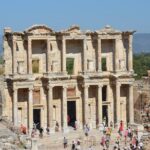
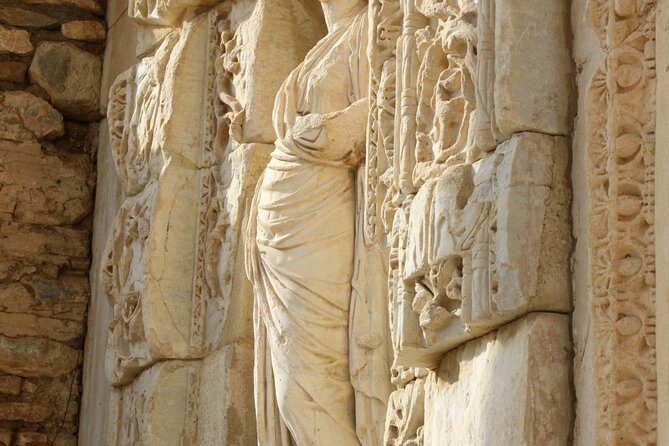
Ephesus is considered one of Europe’s best-preserved classical cities, and you can feel why as you move through the site. The itinerary includes key highlights such as the Temple of Hadrian. A guided walking approach helps a lot here because you’re seeing the remains in a spatial context—what’s near what, and why the site is laid out the way it is.
This is also where you’ll appreciate the difference between “seeing ruins” and “understanding ruins.” With a guide, you’re not just looking at scattered stone. You’re building a mental map.
Meryemana (House of the Virgin Mary)
After Ephesus, you take lunch in the main town (own expense), then visit Meryemana, the House of the Virgin Mary—also known as the Virgin Mary’s House. The guide explains the history and why the site became a place of pilgrimage.
What I like about this pairing is that it slows the day down after the high-energy ruin walking. It adds a spiritual dimension without turning the whole trip into a purely religious program.
End point: Izmir airport or hotel, with an optional return flight upgrade
The tour finishes with drop-off around Izmir airport, Izmir hotel, or Kusadasi hotel. There’s also an upgrade option that includes a flight back to Istanbul at the end. If your Istanbul plans are fixed (tight next-day schedule, business meeting, or you just want to avoid another airport hop), that upgrade can be worth it for peace of mind.
Day 3 practical note: lunch is on your own, so you’ll want cash/cards ready and a plan for where you’ll eat near the Ephesus town area.
Hotels in Cappadocia and Izmir: where the comfort matches the theme
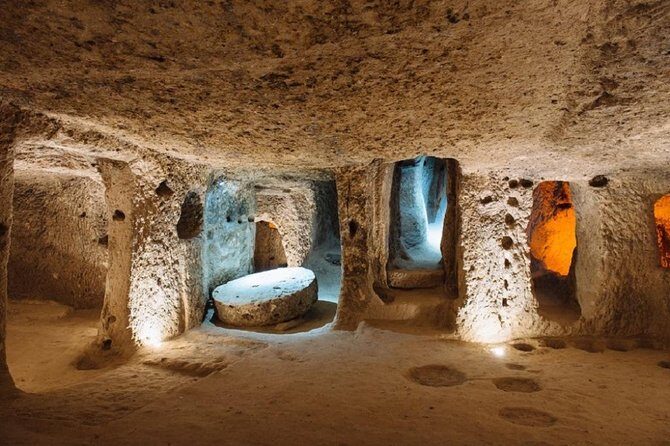
The lodging setup is one of the tour’s strengths.
In Cappadocia, you get an overnight in a boutique cave hotel—not just “a hotel near caves,” but a cave-style stay. That matters because your surroundings outside the room match your surroundings inside it. After a day of rock churches and underground spaces, sleeping in a cave setting feels like part of the story rather than a random place to crash.
In Izmir, you get a centrally located 4-star hotel. Some travelers have said the Izmir hotel experience didn’t quite match the magic of the Cappadocia cave stay. That’s not unusual—Cappadocia’s accommodation is often the “wow” factor—so just keep expectations calibrated. Think “good base in the city,” not “another once-in-a-lifetime cave moment.”
The hot air balloon option: worth it, but only if you plan smart
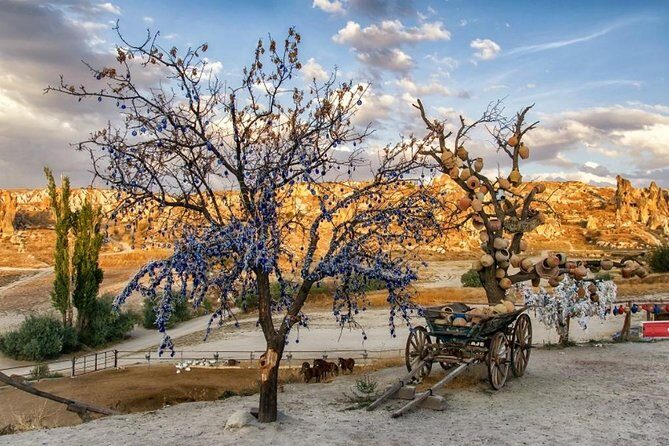
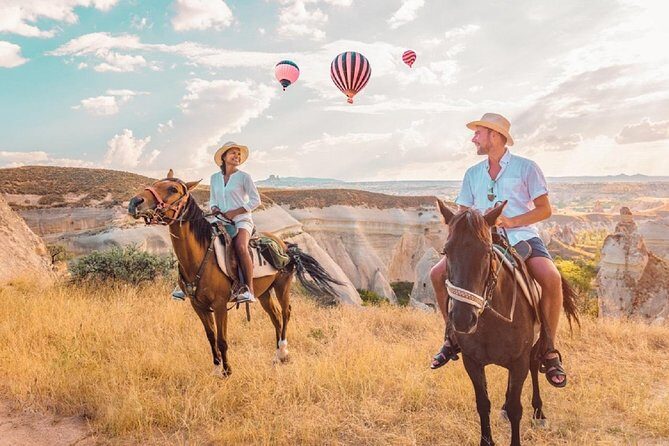
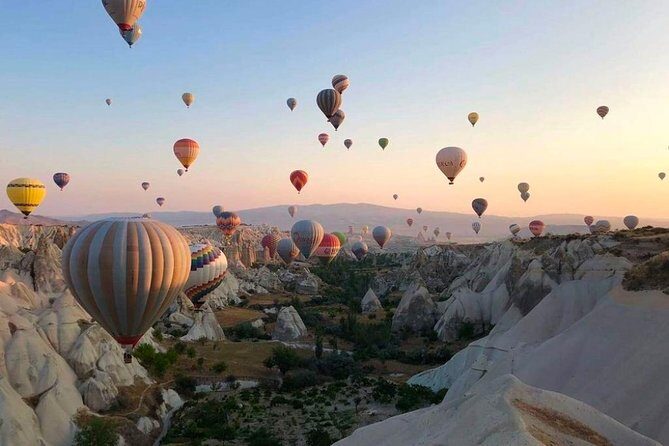
This tour offers an optional early morning hot air balloon ride over Cappadocia.
From what people highlight most, balloon time is one of the extras that can feel truly meaningful, not just another add-on. Cappadocia’s shapes are made for aerial views, and early morning light tends to be the best kind of gentle for photos.
If you’re considering it, the practical move is simple: treat it as a core experience, not a casual extra. That means being ready for an early start and keeping your energy for both the balloon and the rest of the day after.
Price and value: what $1,410 is buying you (and what it isn’t)
At $1,410 per person, this is not a budget tour. But it’s also not overpriced when you itemize what you’re getting.
You’re paying for:
- Domestic flights (Istanbul → Kayseri and Kayseri → Izmir are included)
- Two nights in 4-star accommodations
- Professional guiding for major visits
- Multiple paid admissions (Göreme, selected valley stops, Uchisar, Kaymaklı, Ephesus, and Meryemana are marked as included)
What’s not included is food and drinks beyond the listed meals, so your “real cost” depends on how you handle lunch days and optional extras like the balloon.
The biggest value story here is time. If you tried to self-drive or self-organize a short trip across these regions, you’d likely burn your schedule on transit. This tour trades money for schedule certainty.
The one value warning: communication. Some guests have complained about not receiving a clear itinerary and needing to coordinate pickup. That doesn’t mean the tour fails—it means you should stay proactive and confirm what time and where you meet on the first day.
Group size and pacing: small enough to feel personal, long enough to feel real
The tour has a maximum of 14 travelers. That’s a sweet spot for comfort: you get a group experience, but you usually won’t feel like you’re in a sardine show while walking ruins.
Pacing is the trade. Days include flights, multiple stops, and guided walks, so you should treat this as an active “see the big hits” trip. If you prefer slow travel with long café breaks, you might find the itinerary intense. If you want maximum value per day, this pacing is exactly what you’re paying for.
I also like that this mix includes both famous “headline” sights and a few places that help you understand how people lived—especially Kaymaklı Underground City.
Who this tour fits best (and who should rethink it)
This tour fits best if you:
- Want a tight, high-impact Turkey hit without spending your days in transit
- Like guided context for major sites like Göreme and Ephesus
- Are okay with moderate walking on uneven ground and in archaeological areas
- Would like the practical convenience of included flights and guided admissions
You might want to rethink it if you:
- Hate early starts (especially if you add the hot air balloon)
- Need ultra-clear day-by-day instructions from the first moment (plan to confirm ahead)
- Expect the Izmir hotel to match the Cappadocia cave hotel vibe
Should you book the 3-Day Cappadocia & Ephesus Tour from Istanbul?
Yes, if you want the smart version of seeing Turkey’s “greatest hits.” The combination of domestic flights, guided UNESCO time, underground history, and Ephesus ruins is exactly the kind of itinerary that works for short trips. I also think the cave hotel in Cappadocia is a genuine quality-of-experience upgrade, not just a marketing line.
Before you book, do two things. First, decide whether you truly want the balloon ride, since it’s the extra that most improves the “memory factor.” Second, be proactive with communication—confirm your pickup details close to departure and keep your own notes handy. If you do that, this tour is a strong value way to cover Cappadocia and Ephesus in just three days.
FAQ
What does the tour include for flights?
The tour includes a flight from Istanbul to Kayseri and a flight from Kayseri to Izmir. There is also an upgrade option that can include a flight from Izmir back to Istanbul at the end of the tour.
Where do you get picked up and where does the tour end?
Pickup is offered from the Ottoman Hotel Imperial in central Istanbul (Sultanahmet area). The tour ends with drop-off at Izmir Adnan Menderes Airport, an Izmir hotel, or a Kusadasi hotel.
What kind of hotel do you stay in during Cappadocia?
You stay overnight in a 4-star boutique cave hotel in Cappadocia.
Is a hot air balloon ride included?
An early morning hot air balloon ride over Cappadocia is available as an option, so it’s not automatically included unless you choose it.
How many people are in the group?
The tour has a maximum group size of 14 travelers.
What meals are included?
The tour includes breakfast (2) and dinner (2) as listed in the itinerary. Lunch is described as your own expense on at least some days.
Is there a fitness requirement?
The tour notes that you should have moderate physical fitness level, since it includes walking and visits to sites like the underground city and archaeological areas.