REVIEW · ISTANBUL
3-Day Small-Group Tour from Istanbul to Kusadasi: Troy, Gallipoli, ANZAC Battlefields and Ephesus Ancient City
Book on Viator →Operated by Neon Tours · Bookable on Viator
3 days is a whirlwind, in a good way. You’ll move from WWI battlefields to myth and then straight into ancient cities that still feel shockingly alive, all in one efficient small-group package.
I especially like the guided walking time at Gallipoli—Lone Pine, trenches, and memorial stops make the story easier to hold in your head. And I like the pacing that mixes the big-ticket sites (Troy and Ephesus) with a more specific stop at Pergamum’s Asclepion, where you learn how ancient medicine worked. One drawback to plan around: your days start early, and you should carefully confirm the end point since the trip is named Istanbul to Kusadasi and finishes in Kusadasi.
In This Review
- Key Things I’d Watch For on This Route
- A Three-Day “World History in One Bus” Plan
- Gallipoli Walk: Lone Pine, ANZAC Cove, and the Nek Trenches
- The “Real-Feeling” Memory Stops That Make the Story Click
- Overnight in Çanakkale: The Reset Before Troy and Pergamum
- Troy (Truva): The Trojan Horse Photo Moment and Myth Context
- Pergamum (Pergamon) and Asclepion: Ancient Medicine with Visible Clues
- Ephesus: Arcadian Way, Great Theater, and the Hadrian Moment
- The House of the Virgin Mary (Meryemana): A Pilgrimage Stop with Real Quiet
- Price and What You Actually Get for $1,195
- Logistics: Pickup Time, End Point, and How to Avoid Confusion
- Who This Tour Fits Best
- Should You Book It?
- FAQ
- How long is the tour?
- Where does the tour start and when?
- What’s included in the price?
- Is accommodation included?
- What are the main stops?
- What group size should I expect?
- When does the tour finish?
Key Things I’d Watch For on This Route
- A 6:30 am Istanbul pickup means an early start, so pack for a long first day.
- Small-group cap (up to 15 travelers) helps keep questions flowing at major sites.
- Gallipoli on foot gives you time at Lone Pine, ANZAC Cove, and surrounding memorial areas.
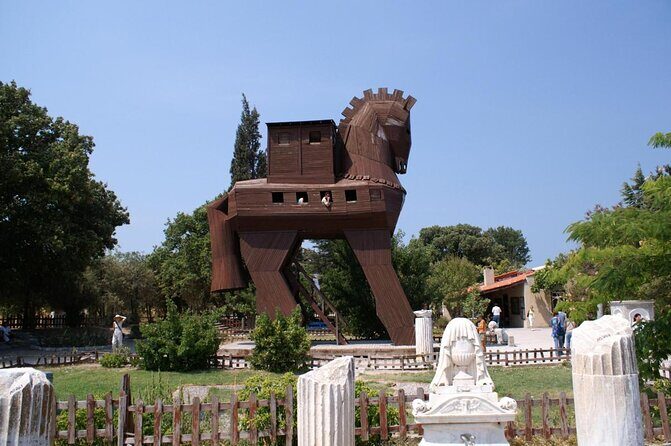
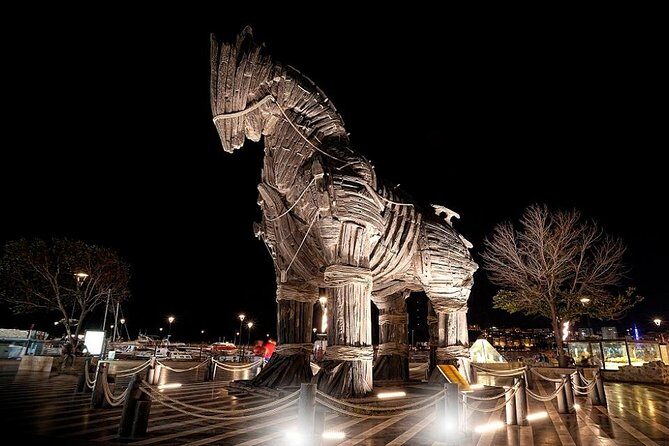
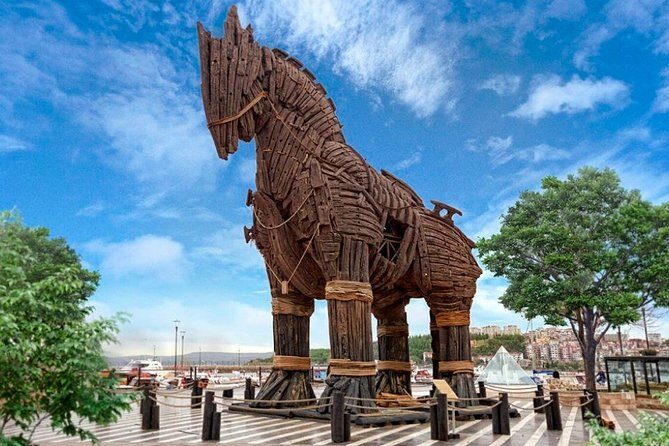
- Troy’s Trojan Horse moment is quick but memorable for photos and myth context.
- Pergamum Asclepion for “ancient medicine” is a smart change of pace from battlefields and temples.
- Ephesus + House of the Virgin Mary covers both ruins and pilgrimage lore in one day.
A Three-Day “World History in One Bus” Plan
This tour links four heavy-hitters: Gallipoli, Troy, Pergamum, and Ephesus. You’re basically traveling across layers of time—from the Ottoman/Allied clashes of WWI to Bronze Age myth at Troy, then to Greek and Roman city life at Pergamum and Ephesus.
It’s a coach trip with purposeful stops, not a slow leisurely vacation. That’s the trade: you get a lot, but you won’t have hours of free time to wander. For many people, that’s exactly the point—history gets arranged for you, and you spend your brainpower learning instead of logistics.
You can also read our reviews of more city tours in Istanbul

Gallipoli Walk: Lone Pine, ANZAC Cove, and the Nek Trenches
Day 1 is all about the Gallipoli peninsula. After an early pickup from central Istanbul (start point is the Ottoman Hotel Imperial in Sultanahmet) you ride out by coach, with your guide setting context for the campaign that dragged on for more than half a year. The big moment you’ll hear about is April 25, 1915, when ANZAC forces attacked with orders tied to Constantinople—and met fierce resistance.
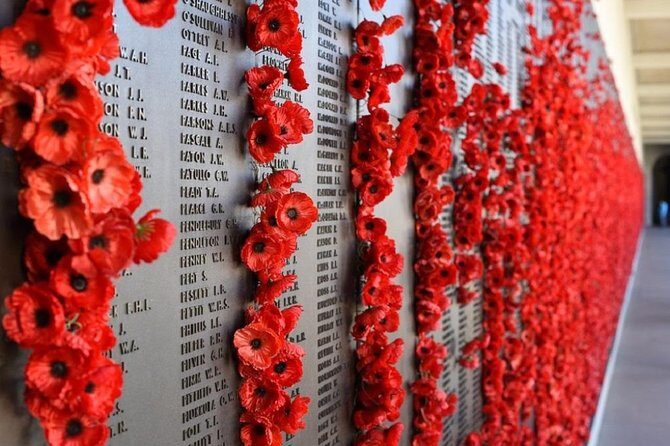
Then comes the part that matters: the walking. You’ll have a lunch break and then head out on a guided route that connects key battles and memorials. Lone Pine is Australia’s main memorial site here, and it’s designed for reflection. You’ll also move toward areas linked with the Nek trenches, with the story told around the troops who stormed the surrounding woodland. This is where the site shifts from names on stone into something you can picture.
From there you’ll see places tied to New Zealand and broader Allied remembrance—like the Chunuk Bair New Zealand Memorial—and you’ll end up at ANZAC Cove, a stop many people consider the emotional center of the peninsula. A Kabatepe Museum visit is also part of the day’s program, which helps you place what you’re seeing into the bigger timeline.
Practical note: Gallipoli is a walking-heavy day with time outdoors. Bring comfortable shoes and dress for sun plus cooler coastal wind, since weather can swing fast.
The “Real-Feeling” Memory Stops That Make the Story Click
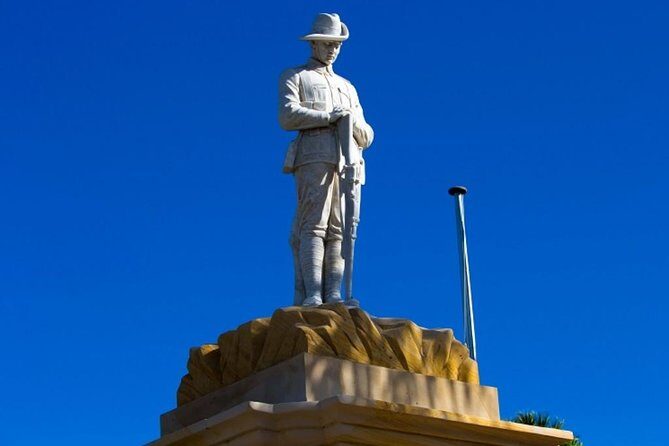
What makes Gallipoli work on this tour is the way the stops connect. It’s not just taking photos at one monument and moving on. The route is built to show how different units and places relate to the fighting.
You’ll spend time at multiple commemorative sites, including Lone Pine and ANZAC Cove, and you’ll also touch areas that connect to the broader battle pattern (including Nek trenches and the memorials around Chunuk Bair). That means your guide can give you a thread to follow instead of random facts.
If you like history that has geography attached—where you can point to the hill, cove, or trench area—this style of itinerary will feel satisfying.
Overnight in Çanakkale: The Reset Before Troy and Pergamum
After Gallipoli, you cross the Dardanelles Strait and check into your Çanakkale hotel in time for dinner. You’ll also have a short stop at Conk Bayiri Mehmetcik Park / Anıtı Kemalyeri Yazıtı, plus additional time around Chunuk Bair, so the day ends with more context rather than a sudden drop.
This overnight matters because it prevents you from trying to do all of Gallipoli and the ancient sites in the same nonstop run. You’ll still be busy on Day 2, but at least you’re not arriving exhausted at Troy and trying to focus.
Troy (Truva): The Trojan Horse Photo Moment and Myth Context
Day 2 starts with breakfast and then travel to Troy. Troy is one of those places that people talk about in myth, but it’s also a real archaeological site with layers of settlement—Bronze Age life, later Byzantine presence, and then ruin over time.
You’ll get a guided visit that focuses on the Trojan War story: the Greek myth about Paris and Helen, leading into a conflict that lasts ten years. The centerpiece you’ll see is the famous Trojan Horse display in the ancient city area. It’s a strong photo moment, but the better part is the way the guide ties the symbol back to why Troy matters in the first place.
A key detail for planning: your time here is about seeing the highlights without getting stuck in one spot. You’ll have some free time for close-up photos, which I like because you can get your shot and then refocus on learning while the guide explains the broader site story.
If you’re the type who likes to connect myth to real places, Troy will feel more meaningful than a standalone tourist stop.
You can also read our reviews of more tours and experiences in Istanbul




Pergamum (Pergamon) and Asclepion: Ancient Medicine with Visible Clues
After lunch in the Troy area, you travel to Pergamum. This day shifts from myth and battle to a different kind of fascination: the Asclepion, Pergamum’s ancient medical center.
You’ll learn that it started with more holistic remedies—things like sunbathing and herb-related practices are mentioned as examples—then grew into a structured medical school. The tour connects that evolution to the broader idea that ancient practices contributed to principles that later informed Western medicine.
What I like here is the specificity. It’s not just “here are ruins.” You’re walking through a site with a clear theme: how healing worked in the ancient world. That makes the whole visit feel targeted, and it breaks up the emotional tone after Gallipoli and the myth mood after Troy.
You then head on to Kusadasi, check into your hotel, and enjoy dinner. The evening is free, which is useful because by this point you’ll likely want a low-stress meal and a little downtime.
Ephesus: Arcadian Way, Great Theater, and the Hadrian Moment
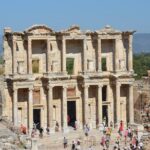
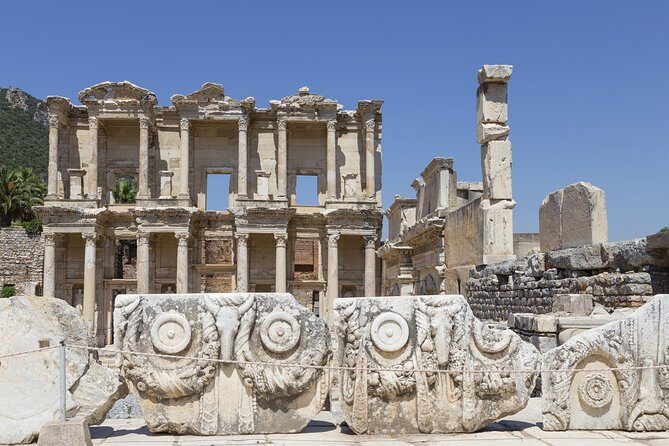
Day 3 is devoted to Ephesus. This is one of Europe’s best-preserved Classical city experiences, and the ruins are the reason. You’ll do a walking tour through major areas like the colonnaded Arcadian Way and the Temple of Hadrian, built to celebrate Emperor visits.
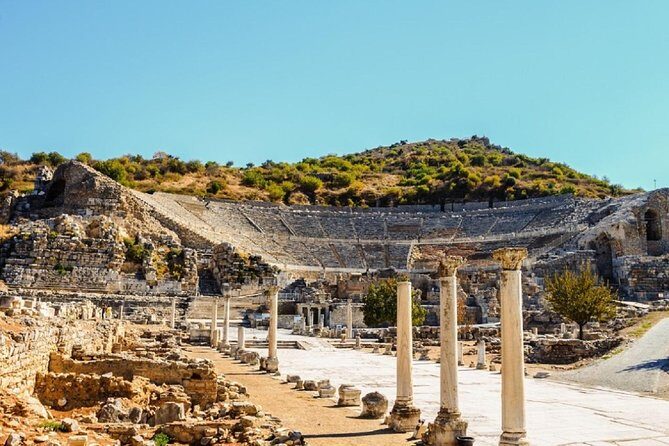
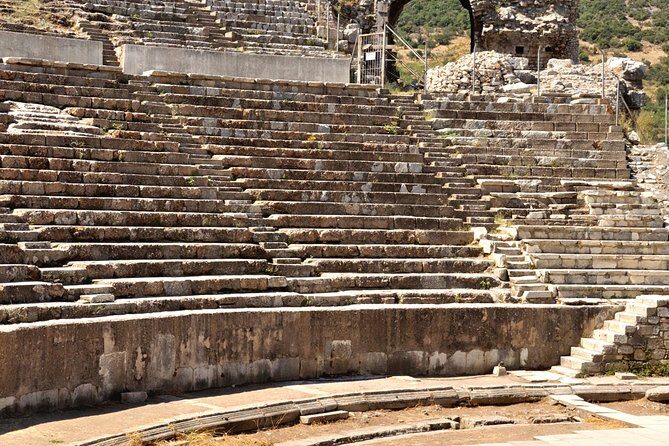
Ephesus can feel huge, but the tour gives you a structured route through the highlights. You also get to see the Great Theater/Odeion area as part of the stop sequence, plus time around the city’s main theatrical ruins.
If you’ve ever wondered why guides get excited about Ephesus, here’s the practical answer: so many city features are still legible, so you can understand how daily life and public events would have worked. It’s not just pretty stone; it’s layout and scale.
Comfort tip: shade can be limited in some ruin areas, so plan for sun exposure even if the mornings are cooler.
The House of the Virgin Mary (Meryemana): A Pilgrimage Stop with Real Quiet
After lunch in town, you’ll visit the House of the Virgin Mary (Meryemana). You’ll have time to look inside the chapel and hear from your guide about its history as a pilgrimage place.
This stop adds a different emotional texture to the day. Ephesus gives you city life; Meryemana gives you spiritual meaning and a quieter pause. It’s a good contrast on a day already packed with ruins and stone monuments.
Then you return to Kusadasi where the tour finishes with a hotel drop-off. Expect an end time around 6pm on Day 3, which means you’ll want to plan for dinner after you’re dropped.
Price and What You Actually Get for $1,195
At $1,195 per person for about 3 days, this isn’t a budget trip. But it’s also not just admission tickets and a driver. Your money is buying several things at once:
- Guiding across multiple major sites (WWI memorials, archaeology, and Classical ruins)
- 2 nights of 4-star accommodation (Çanakkale and Kusadasi)
- Meals as per the itinerary, with breakfasts (2) and dinners (2) explicitly included, and lunches built into the day plan
- Hotel pickup and drop-off, plus a small-group format
The “value” here depends on how you feel about your time. If you want to hit Gallipoli, Troy, Pergamum, and Ephesus without stitching together coaches, hotel bookings, and timed admissions yourself, this package starts to make sense. If you’d rather linger in one place and slow the pace, the schedule may feel tight.
One more practical value point: the tour’s success depends on coordination, and the guides are described as excellent and very invested in explaining the sites. For this type of trip, a passionate guide is half the product.
Logistics: Pickup Time, End Point, and How to Avoid Confusion
Start time is 6:30 am from the Ottoman Hotel Imperial in Sultanahmet. The trip also notes that you should contact the local service provider 24 hours before the tour to reconfirm the departure point and time.
One detail I’d treat as important: this tour is named Istanbul to Kusadasi and the program ends in Kusadasi with a hotel drop-off around 6pm on Day 3. Even if some listing wording can be vague, you should confirm where you’ll be dropped on the last day, especially if you’re staying in Istanbul on your own on the final evening.
Finally, the mobile ticket is included, which can make check-in and entry smoother once you’re moving between stops.
Who This Tour Fits Best
This is a great match if you want a high-structure history trip. You’ll love it if you enjoy guided walks at memorial sites and you like having a framework that connects myth, medicine, and empire-era city life.
You might not love it if you want lots of downtime or you dislike early mornings and long days on the road. This itinerary is built to keep moving.
If you’re traveling solo, couples, or small groups who want a guided experience without joining a massive crowd, the small-group setup (max 15 travelers) is a strong advantage.
Should You Book It?
I’d book this tour if you want to check off Gallipoli, Troy, Pergamum, and Ephesus in one short window and you prefer guided time over DIY planning. The Gallipoli walking route plus Asclepion’s ancient medicine focus makes the trip feel more than just a checklist of famous landmarks.
Don’t book blindly if you’re picky about endpoints or you need a very specific hotel drop-off arrangement on Day 3. Do the simple homework: confirm the pickup location and reconfirm where the tour ends in Kusadasi the day before departure.
If that’s sorted, this is a memorable way to see some of Turkey’s biggest stories—packed into a schedule that’s busy, but purposeful.
FAQ
How long is the tour?
It’s a 3-day tour (approx.).
Where does the tour start and when?
Pickup starts at 6:30 am from the Ottoman Hotel Imperial in Sultanahmet, Istanbul.
What’s included in the price?
The tour includes hotel pickup and drop-off, a professional guide, meals as per the itinerary, 2 nights of accommodation, and breakfast (2) plus dinner (2). Mobile ticket is also mentioned.
Is accommodation included?
Yes. You get 2 nights of 4-star hotel accommodation—one night in Çanakkale and one in Kusadasi (hotel names may vary).
What are the main stops?
You visit Gallipoli (including Lone Pine and ANZAC Cove), Troy, Pergamum Asclepion, and the Ancient City of Ephesus, plus the House of the Virgin Mary.
What group size should I expect?
The tour has a maximum of 15 travelers.
When does the tour finish?
It concludes in Kusadasi on Day 3, with a hotel drop-off, around 6pm.