REVIEW · ISTANBUL
6 Days Istanbul Cappadocia Tour in Spanish with 2 internal flights
Book on Viator →Operated by Turquesa Tours · Bookable on Viator
Two cities, one well-paced Spanish-guided route. I like how this trip strings together the big Istanbul icons and then swaps you into Cappadocia’s otherworldly valleys without making you suffer long bus days. Spanish-speaking guides keep the story clear, and I really like that many site entry fees are handled for you during guided stops. The main thing to weigh is the pace: after you land and transfer, each day is built around set visits, so it’s not the slow-and-lazy kind of vacation.
What makes it feel practical is the choreography: name-listed airport help, private transfers in Istanbul, and two internal flights that move you fast enough to actually see both regions. I also appreciate the small group size (up to 12 travelers), which tends to make questions and photo stops easier. If you want lots of free time to roam on your own, you’ll have to schedule it around the guided blocks.
One quick note on vibe: Istanbul is all about walking-and-spotting history in layers, while Cappadocia gives you wide views and rock-carved places. If you’re the type who likes a plan but still wants good moments to look around, this works well.
In This Review
- Key highlights to know before you go
- How the 6 days actually flow, and why the 2 flights matter
- Day 1 and Day 2: Landing in Istanbul and walking the Sultanahmet giants
- Fountain of Ahmed III: a quick history warm-up
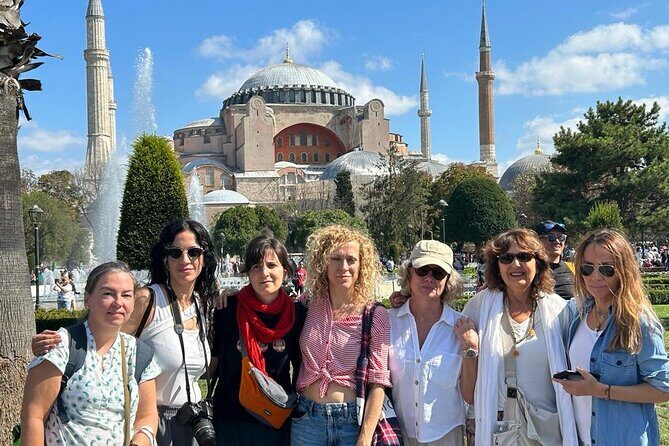
- Hagia Sophia Grand Mosque: mosaics and the dome moment
- Blue Mosque: the famous interior tiles
- Sultanahmet Square, Hippodrome, and the “what is that?” monuments
- Grand Bazaar: your shopping window, with guide-led orientation
- Cappadocia Day 3: A flight, then a cave hotel day that feels like a reset
- Day 4 in Cappadocia: Northern valleys, fairy chimneys, and places that feel time-traveled
- Fairy Chimneys: the signature view, explained
- Pasabag (Monks Valley): the “wow” chimney variety
- Zelve Open Air Museum: rock-cut churches and old life
- Devrent Valley: camel-shaped imagination
- Göreme Panorama: Turkish tea with the big view
- Bazaar 54 and Kapadokya Seramik: crafts with a hands-on angle
- Day 5 in Cappadocia: Underground city, Ortahisar views, Pigeon Valley, and Avanos crafts
- Ozkonak Underground City: hiding in plain sight
- Ortahisar: a famous rock formation district
- Pigeon Valley: a working landscape, not just a view
- Avanos: the artistic heart tied to clay
- Pink Lotus Jewellery: a workshop stop
- Back to Turkey’s cities: Kayseri airport and the final Istanbul transfer
- Day 6: one calm morning, then home
- Price and logistics: what you’re paying for (and where you might spend extra)
- Guides, group size, and how to get good photos without stress
- Who should book this Istanbul + Cappadocia tour?
- Should you book it? My straight take
- FAQ
- Is the tour guided in Spanish?
- What’s included in the price?
- Are entrance fees included for the sites we visit?
- How many people are in the group?
- Do I need to pay for meals?
- Which airports are used for transfers and flights?
Key highlights to know before you go
- Up to 12 people means the group stays manageable and you’re not lost in a crowd.
- Spanish-speaking licensed guides run the visits, with explanations built for comprehension, not just quick stops.
- Two internal flights (Istanbul ↔ Kayseri) save serious time versus overland travel.
- Cave-style boutique hotels in Cappadocia keep the experience connected to the landscape.
- Entrance fees for guided sites are included on the key archaeological visits.
- Workshops and crafts show up in Cappadocia, not just viewpoints.
How the 6 days actually flow, and why the 2 flights matter
This is a true “connector” itinerary: Istanbul first, then a flight to Kayseri, then back to Istanbul. You’ll spend 5 nights total—most of them in Cappadocia after the internal flight—so the trip has enough time to feel like more than just a day-trip checklist.
The day-by-day structure matters because of time and energy. In Istanbul, you’re focused on the historic Sultanahmet area and a Grand Bazaar visit. Then you fly to Kayseri and settle into Cappadocia with a boutique hotel (the tour specifically emphasizes traditional cave stays). If you’ve ever done Istanbul plus Cappadocia on your own, you know the hard part is transportation time. Here, the air hops are built into the plan, which helps you get viewpoints and underground places without feeling like you’re always transferring.
Also: airport handling is part of the value. The tour promises an assistant waiting with your name at the airport, and you get private vehicle transfers in Istanbul. That sounds small, but arriving in Turkey with a clear plan is the difference between enjoying your first hours and getting stuck in stress.
You can also read our reviews of more tours and experiences in Istanbul
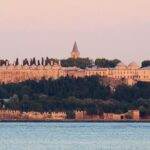
Day 1 and Day 2: Landing in Istanbul and walking the Sultanahmet giants
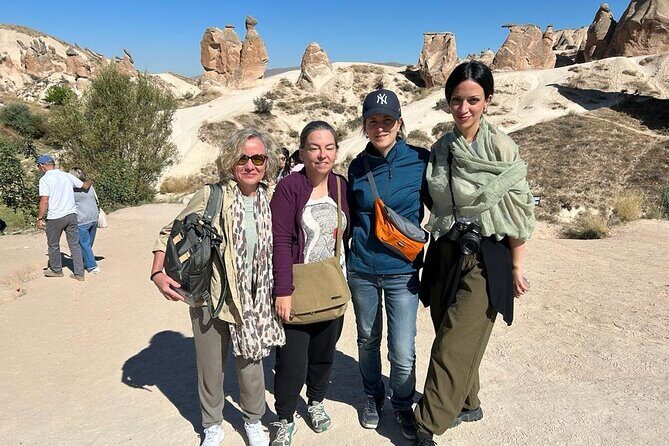
Day 1 is simple: you arrive at Istanbul Airport (IST) or Sabiha Gökçen, meet an assistant at the international terminal area, then get a private transfer to your hotel. It’s a clean start and gives you the night in Istanbul to shake off jet lag or just wander near your base.
Day 2 is where the historic core gets concentrated. You’ll begin at a fountain connected to Ahmed III (a small stop, but the guide uses it to set context before larger sites). Then it becomes big, fast.
Fountain of Ahmed III: a quick history warm-up
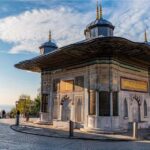
This fountain, built in 1728, is tied to Sultan Ahmed III, described as a poet, calligrapher, and musician. The practical win here is that it frames the Ottoman-era lens before you step into major monuments. It’s a short moment that makes the next stops easier to understand.
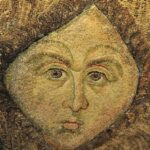
Hagia Sophia Grand Mosque: mosaics and the dome moment
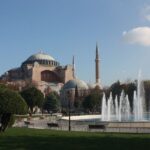
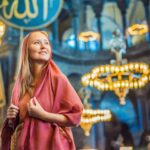
You visit Hagia Sophia Grand Mosque with a Spanish-speaking guide, and this stop has an admission fee included. The tour focuses on what you’ll actually see: the mosaics and the massive dome. Even if you’ve seen photos before, this is the kind of place where you’ll want to pause just to take in scale. Dress rules apply to mosques, so I recommend planning for conservative clothing—shoulders covered helps.
Blue Mosque: the famous interior tiles
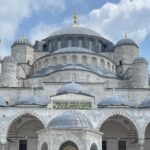
Next is the Blue Mosque (Sultanahmet Mosque), also visited with the guide and with free admission on this itinerary. It’s one of those sites where the exterior is already impressive, but the interior details are the real payoff. You’ll get a guided explanation in Spanish, which helps you notice what you might otherwise overlook.
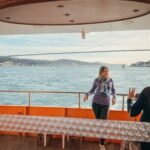

Sultanahmet Square, Hippodrome, and the “what is that?” monuments
The itinerary then sweeps through Sultanahmet Square and the historic Hippodrome area. This is where you see the city’s layers: Roman and Byzantine roots, then Ottoman-era continuity around the same stage.
You’ll stop at a cluster of monuments—each a short “information plus look” moment:
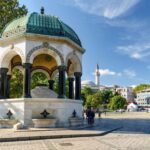
- German Fountain: gifted after Kaiser Wilhelm’s 1898 visit.
- Obelisk of Theodosius: tied to ancient eras and moved to Istanbul by imperial orders.
- Serpent Column: three intertwined snakes connected to Greek-Persian conflict stories.
- Column of Constantine: the story here is about bronze covering and later looting during the crusade era.
These are quick stops, but they add up. Without guidance, these objects can feel like random stone. With explanations, they turn into a map of power and memory.
Grand Bazaar: your shopping window, with guide-led orientation
The day ends with Grand Bazaar, presented as the largest and oldest shopping center in the world, with thousands of shops. The tour gives you guided background, then provides time to explore on your own.
Here’s my practical advice: set a shopping goal before you enter (one type of souvenir, one fabric item, one pottery piece). Grand Bazaar can get overwhelming because it’s big and busy. Having the guide’s overview first helps you move faster afterward.
Cappadocia Day 3: A flight, then a cave hotel day that feels like a reset
On Day 3, you’re picked up from your Istanbul hotel and driven to the airport. You fly to Kayseri (about an hour per the itinerary). After landing, your team waits with your name, and you transfer to your Cappadocia hotel (about an hour).
The tour emphasizes staying in boutique hotels, specifically mentioning traditional cave lodging for the rest of the day. That matters because Cappadocia is not just scenery—it’s also the way people have lived in rock-cut spaces. Even if you spend limited time in the room on this first day, waking up in that environment sets the tone for the valley visits that come next.
Day 4 in Cappadocia: Northern valleys, fairy chimneys, and places that feel time-traveled
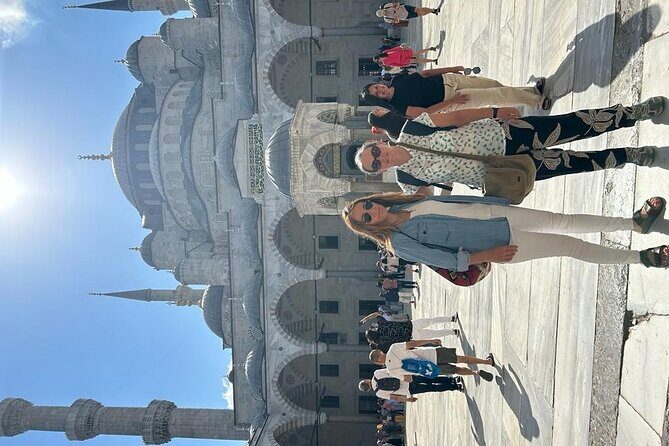
Day 4 focuses on Cappadocia’s northern side with a Spanish-speaking guide. You’ll get information at each stop and time to view, photo, and absorb.
Fairy Chimneys: the signature view, explained
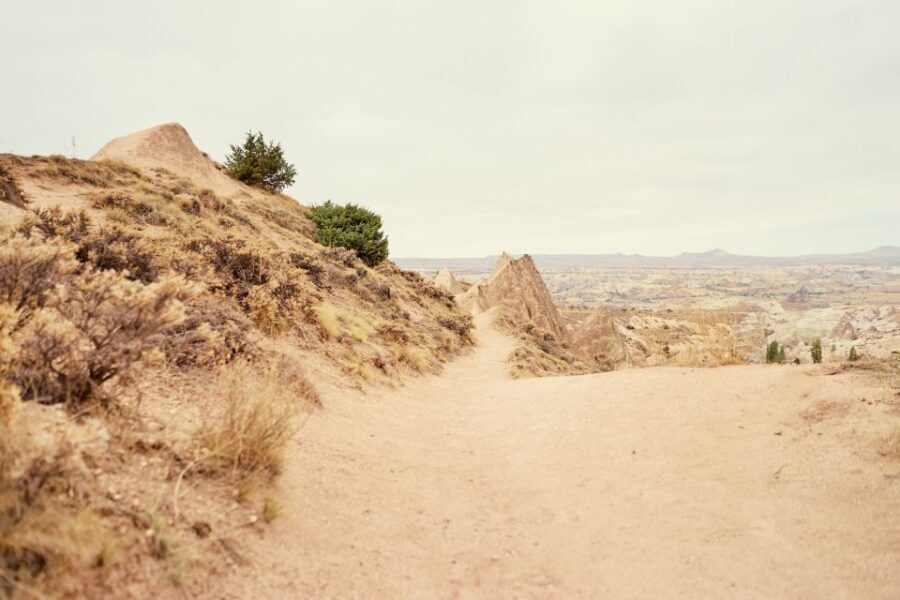
You start with Fairy Chimneys, described as formations shaped over millions of years by fire, water, and wind. The guide explains how they’re formed, which helps you understand why the shapes look the way they do. You’ll likely see hotels carved into these forms, too—so it’s geology plus living culture.
Pasabag (Monks Valley): the “wow” chimney variety
You visit Pasabag, also known as Monks Valley, and this stop includes admission. It’s described as almost like a stage scene for the formation of fairy chimneys. If you like comparing shapes and layers, this is a great place to spend a bit longer, even though the itinerary time is set.
Zelve Open Air Museum: rock-cut churches and old life
Next is Zelve Open Air Museum, and it’s a stop people often remember because you can actually walk through rock-carved spaces tied to monastic life. Small chapels and churches are carved into the rock, and the tour highlights how it can feel like you stepped back in time.
This is a “slow down and look” stop. I’d keep your phone light for a few minutes and just take in what’s carved and how the space was used.
Devrent Valley: camel-shaped imagination
At Devrent Valley (also called the valley of imagination), you’ll see fairy chimneys that resemble different shapes. One famous formation resembles a camel. This is the kind of location where you’ll enjoy it more if you let your eyes play—rather than hunting for one perfect photo, look for multiple “faces” in the rock.
Göreme Panorama: Turkish tea with the big view
You’ll stop at Göreme Panorama, described as offering the most beautiful view of the Göreme Valley. The itinerary even notes Turkish tea here, which is a nice practical touch: you’re not just looking, you’re taking a short break in a good spot.
Bazaar 54 and Kapadokya Seramik: crafts with a hands-on angle
The day also includes two craft-focused visits:
- Bazaar 54: a hand weaving example, with explanations of carpet weaving and dyes, plus time to purchase if you want.
- Kapadokya Seramik: pottery connected to the Kızılırmak River clay. The tour says you’ll repeat this pottery ritual too.
If you’re the kind of traveler who wants more than souvenirs, these stops help you understand what you’re buying. If you’re not, just keep your wallet rules simple and treat it like a demonstration you can watch quickly.
Day 5 in Cappadocia: Underground city, Ortahisar views, Pigeon Valley, and Avanos crafts
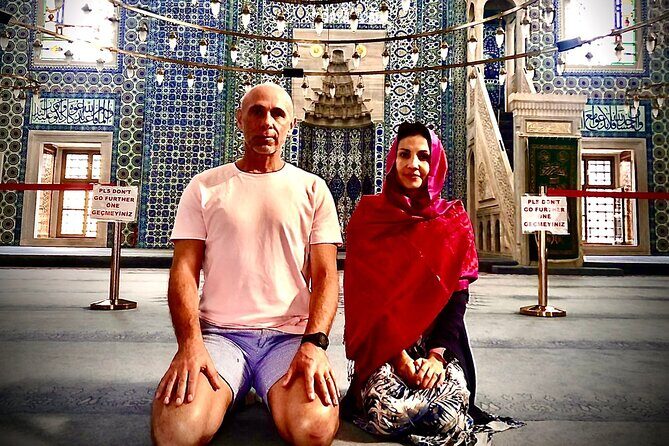
Day 5 continues the northern theme with a Spanish-speaking guide, and it’s even more “Cappadocia-specific” because it leans into caves, rock cities, and regional crafts.
Ozkonak Underground City: hiding in plain sight
This is one of the itinerary’s included-admission highlights: Ozkonak Underground City. It’s described as built by carving volcanic rocks, designed to be invisible from the outside during invasion threats. You’re guided through it with Spanish explanations.
My advice here is practical: underground spaces can feel warm or dim depending on the day and ventilation. Wear comfortable shoes and don’t rush. The point is to understand how people lived below ground, not just to pass through.
Ortahisar: a famous rock formation district
You then reach Ortahisar, described as a region with fairy chimney formations, rock churches, and houses extending toward the Ortahisar castle. Even with limited time, you’ll get a sense of the area’s vertical shape and how homes used the rock.
Pigeon Valley: a working landscape, not just a view
At Pigeon Valley, the tour explains how pigeon nests were carved into rocks and how people fed pigeons for centuries. Their dung was used in vineyards, and eggs were used in construction of frescoes in churches.
That detail turns the view into something useful: this valley wasn’t only scenery; it was a production system. It’s a nice change from the typical viewpoint-only approach.
Avanos: the artistic heart tied to clay
You visit Avanos, described as spanning the Kızılırmak River and known for ceramics. The itinerary says the region’s clay helped develop pottery over time, and it even claims it used to be linked to marriage prospects—an example of how craft was social, not just economic.
Pink Lotus Jewellery: a workshop stop
Next is Pink Lotus Jewellery, described as a jewelry workshop where precious stones are processed into pieces. You have an information-and-view style stop here, with free time as part of the visit.
Back to Turkey’s cities: Kayseri airport and the final Istanbul transfer
After the Cappadocia day, you’re transferred to Kayseri Erkilet Airport (ASR) (about an hour). Then you fly back to Istanbul, and your assistant waits with your name to transfer you by private vehicle to your hotel.
Day 6: one calm morning, then home
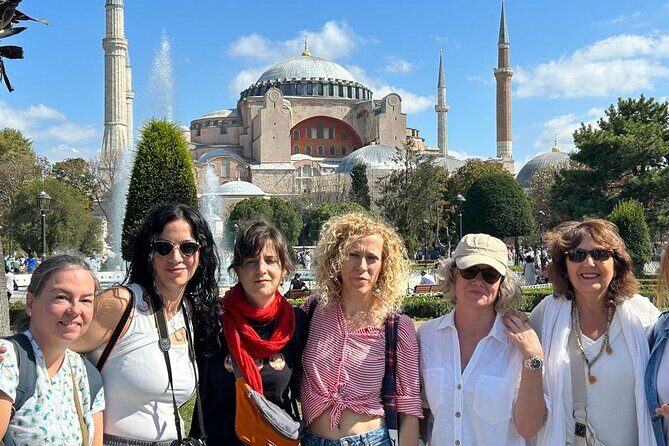
Your last morning starts with breakfast at the hotel, then a private transfer to the airport for your return flight. It’s a straightforward finish: no last-minute sightseeing push, just a clean end to the itinerary.
Price and logistics: what you’re paying for (and where you might spend extra)
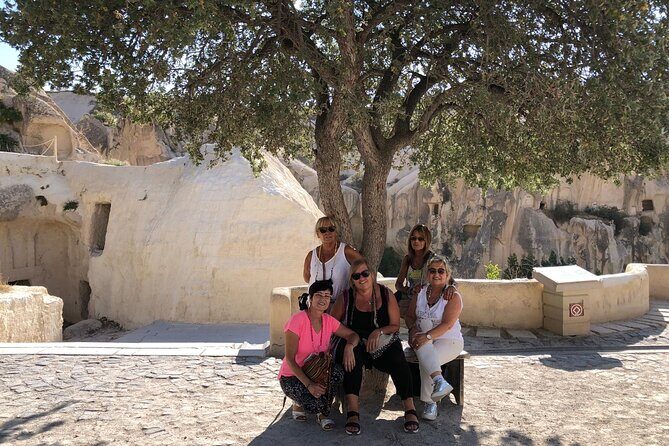
At $1,922.24 per person for about 6 days, this is not a budget squeeze. The good news is that the price covers the hardest pieces:
- 5 nights with daily breakfast
- Two internal flights with 15k luggage
- All guided tours in Spanish with licensed guides
- Entrance fees for the archaeological sites visited during guided excursions
- Six airport/hotel transfers in Istanbul
- Two lunches during tours
So you’re paying for convenience plus guided interpretation. That tends to reduce planning mistakes, especially if you’re short on time and want to hit Istanbul and Cappadocia without extra research.
What you’ll still pay for:
- Drinks, visas, personal expenses, porters, and tips
- Dinners (not included)
- Lunches on days without tours (depending on your schedule, you may need to plan for meals)
One more practical point: the itinerary is described as non-refundable and non-changeable. If your dates are shaky, keep that in mind before booking.
Guides, group size, and how to get good photos without stress
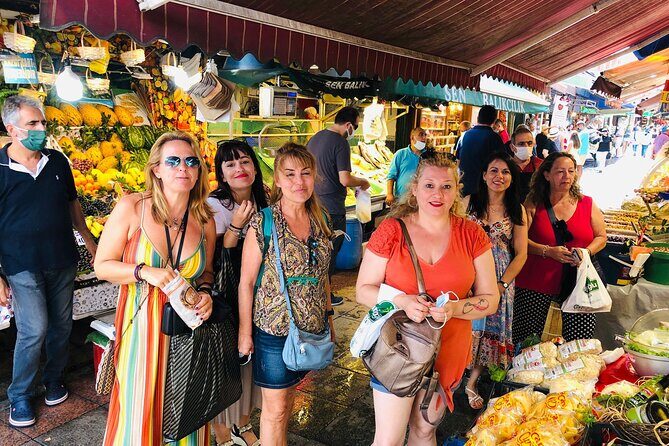
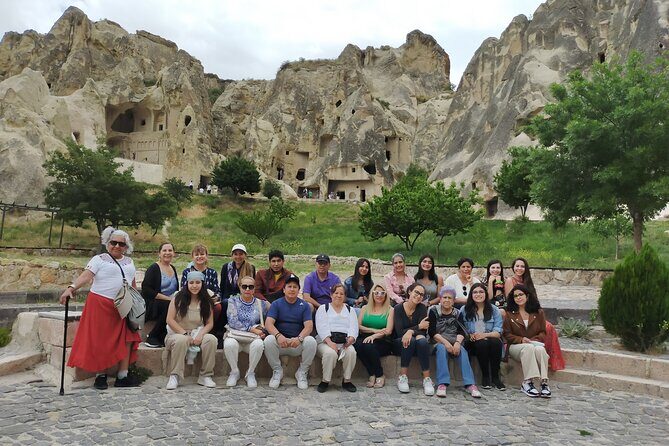
The tour caps the group at 12 travelers, and that’s a real advantage. In crowded areas like Sultanahmet and Grand Bazaar, smaller groups make it easier to ask questions and keep track of where you should be next.
The guide experience is also a strong point. Past participants have praised guides like Berkin in Istanbul and Deniz in Cappadocia, with a driver named Osman mentioned for smooth transfers. Even without assuming the same team each time, the overall structure is built for clear Spanish explanations and patient pacing.
For photos, you’ll get built-in viewing blocks—especially in Cappadocia panoramas and valley stops. Still, be ready to move. This is a guided itinerary, so photos are yours, but you’ll be doing them during the time window the day allows.
Who should book this Istanbul + Cappadocia tour?
This fits best if you:
- want Spanish-guided sightseeing without having to piece together tickets and entry logistics
- like a plan with built-in context (history explanations plus practical stops)
- prefer not to spend your limited days fighting transportation
- enjoy both major monuments (Istanbul) and rock-carved places (Cappadocia)
It may feel less ideal if you’re the type who wants long, wandering free time in each city. The days are designed around guided blocks, and that’s the trade for hitting both regions in one week.
Should you book it? My straight take
I’d book this if you want an organized route that connects Istanbul’s Sultanahmet highlights to Cappadocia’s valleys, underground city, and craft stops—with transfers and most key entries handled. The two internal flights are the big value driver: they keep the days productive instead of travel-heavy.
I’d think twice if your schedule is flexible (because the tour is described as non-refundable) or if you hate structured sightseeing. For solo travelers or couples who want comfort and clear direction, it’s a strong pick. For groups of friends who can handle a guided pace, the small group size helps a lot.
If you’re planning this, pack comfortable shoes, bring something that works for mosque visits, and set your own target for shopping—especially for Grand Bazaar—so you don’t get swept into the maze without a plan. That simple strategy makes the whole week feel more “yours.”
FAQ
Is the tour guided in Spanish?
Yes. The tours are described as guided by Spanish-speaking guides licensed by Turkey’s Ministry of Culture and Tourism.
What’s included in the price?
The price includes 5 nights accommodation with daily breakfast, 2 internal flights (Istanbul ↔ Kayseri) with 15k luggage, guided tours with entrance fees for visited archaeological sites, airport/hotel transfers in Istanbul, and 2 lunches.
Are entrance fees included for the sites we visit?
Entrance fees are included for the archaeological sites visited during guided excursions, and the itinerary marks specific stops as included.
How many people are in the group?
The group size is limited to a maximum of 12 travelers.
Do I need to pay for meals?
Dinners are not included, and lunches are only included on the days when tours are running. You’ll need to budget for drinks and other personal expenses.
Which airports are used for transfers and flights?
You’ll be met at Istanbul Airport (IST) or Sabiha Gökçen for arrival and assisted transfers in Istanbul. The internal flight goes to Kayseri (with Kayseri Erkilet Airport ASR used on the way back to Istanbul).