REVIEW · ISTANBUL
Full-Day Gallipoli Tour From Istanbul
Book on Viator →Operated by Karavan Travel · Bookable on Viator
Gallipoli hits hard, even on a bus. This small-group full-day trip from Istanbul takes you straight to the ANZAC memorials and WWI battle sites around the Gallipoli Peninsula, with a professional English-speaking guide to connect the names to the terrain. I really like the focus on the ground truth: landing areas, trenches, and cemeteries rather than a quick photo stop. I also like that you get a structured route—Anzac Cove, The Nek, and major burial grounds—so the day actually makes sense. The tradeoff is simple: it’s a long day starting at 6:30 am, with lots of driving and walking.
The tour caps out at 8 travelers, which helps keep questions from getting lost in the crowd. You also get hotel pickup and drop-off plus an air-conditioned vehicle, and the day includes lunch—so you’re not juggling logistics at the most exhausting part of the trip. One consideration: if you’re picky about food or sensitive to comfort-stop timing, the included lunch may feel basic on a day that can run close to 14 hours.
Key points to know before you go
- 6:30 am pickup means you’ll earn the early arrival and have more calm time at the memorials
- Max 8 travelers keeps it personal, not a cattle-car history lesson
- ANZAC Cove to The Nek: you’ll walk a narrow ridge area where the fighting is tied to specific points
- Big cemetery stops include Ari Burnu, Nek Cemetery, Lone Pine, and other named memorial sites
- Lunch + air-conditioned transport reduce stress, but plan for a long day and possible basic meals
- Guides like Hassan and Bulent are praised for respectful, fact-heavy explanations for both sides
In This Review
- Getting to Gallipoli: the 6:30 am start from Istanbul
- Anzac Cove: where the Dardanelles story turns into names
- The Nek: a narrow ridge with heavy meaning
- Cemeteries and memorials: Ari Burnu, Nek Cemetery, Lone Pine
- What the guide does with the campaign story (Hassan and Bulent are named)
- Lunch, comfort stops, and what to pack for a 14-hour day
- Price and value at $285: what you’re really paying for
- Who should book this Gallipoli tour—and who might want alternatives
- Should you book the Full-Day Gallipoli Tour from Istanbul?
- FAQ
- How long is the Full-Day Gallipoli Tour from Istanbul?
- What time does pickup start?
- Is hotel pickup and drop-off included?
- Is the tour offered in English?
- What’s included in the tour price?
- Is admission included for the Anzac Cove stop?
- What is the cancellation policy?
Getting to Gallipoli: the 6:30 am start from Istanbul
This tour starts early—pickup is listed for 6:30 am. That matters because Gallipoli is farther than many people expect from Istanbul. A full-day schedule like this is built around one idea: leave early, arrive with enough daylight, then work your way through the key WWI locations without rushing every stop.
Expect a day that feels like two parts. First is the long ride out of the city and across to the peninsula. Then you switch gears to walking, reading, and listening at memorials and burial grounds. In at least one recent experience, the time spent on-site was close to five hours, which is a solid block for a route like this—enough time to take it in without feeling like you’re sprinting from marker to marker.
Practical tip: wear comfortable walking shoes you’ve already broken in. This is not just “look and go.” You’ll be on your feet at the places where people landed, fought, and were later buried. If you’re the kind of person who pauses and reads names slowly, give yourself permission to do that. That’s usually where the meaning lands.
Anzac Cove: where the Dardanelles story turns into names
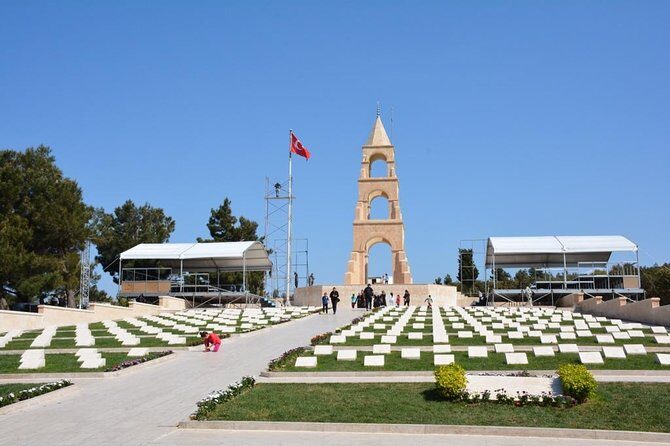
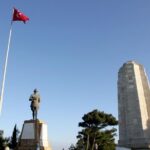
Your main anchor stop is Anzac Cove, built around the places tied to the early fighting and the heavy casualties that followed. Here you’ll see war memorials and a museum tribute to those lost during the Battle of the Dardanelles. Even if you think you know the outline of the campaign, the site helps translate the story into something you can stand inside—coastline, viewpoints, and the “this is where they came ashore” context.
The guide route at this stop is designed to connect multiple named sites into one timeline. You’ll hear about areas like Brighton Beach and Beach Cemetery, and you’ll visit the Ariburnu Cemetery and Anzac Commemoration area. From there the route expands toward other major landmarks connected to the fighting.
One thing I like about how this stop is framed: it doesn’t treat the campaign as a distant lecture. It ties the suffering to specific locations—so you’re not just learning dates. You’re learning geography with a human center. And that’s why this tour tends to stick with people long after they’re back in Istanbul.
You can also read our reviews of more tours and experiences in Istanbul


The Nek: a narrow ridge with heavy meaning
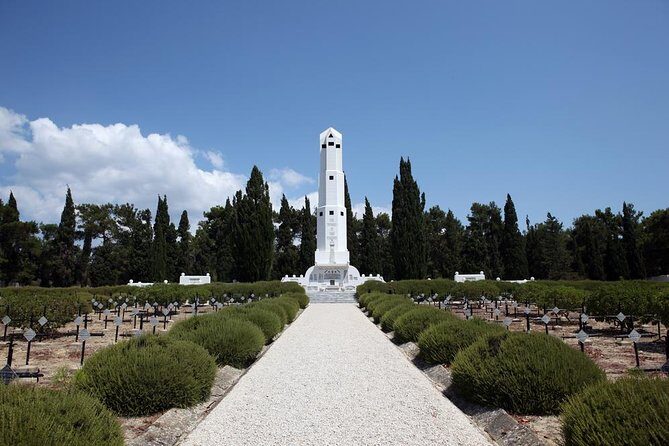
After the Cove area, the day shifts into the kind of terrain that makes WWI feel real fast—The Nek. This is described as a narrow ridge where ANZAC troops fought, and you’ll walk around the area with the guide explaining what happened there.
This is the kind of stop where you stop thinking in terms of “tourism” and start thinking in terms of “what would it be like to be ordered forward in a place like this?” A ridge like that doesn’t just look dramatic. It shapes movement, visibility, and the ability to maneuver—exactly what WWI battles were about.
If you’re traveling with a group of mixed interests, this part can be a bridge. History buffs will focus on trench lines and battle movement. People who came for the remembrance side tend to take their time here and read the memorial plaques carefully. Either way, it’s one of the most meaningful stops on the itinerary.
Pack for this section accordingly: bring layers. Coastal weather can change, and you’ll be outside longer than you might expect on an all-day trip.
Cemeteries and memorials: Ari Burnu, Nek Cemetery, Lone Pine
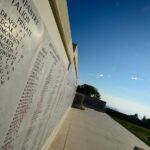
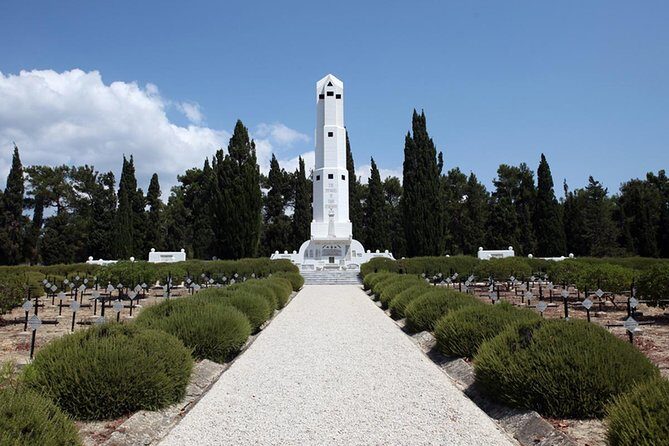
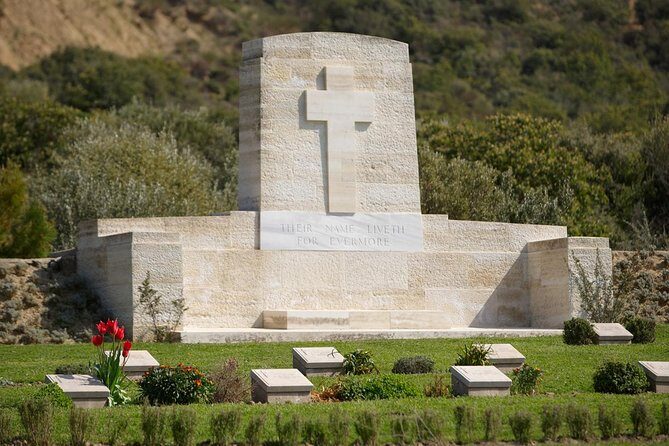
The tour highlights include burial sites such as Ari Burnu Cemetery, Nek Cemetery, Lone Pine Cemetery, and more. That lineup matters because it gives the day balance: you’re not only looking at the battlefield “stage set,” you’re also meeting the aftermath.
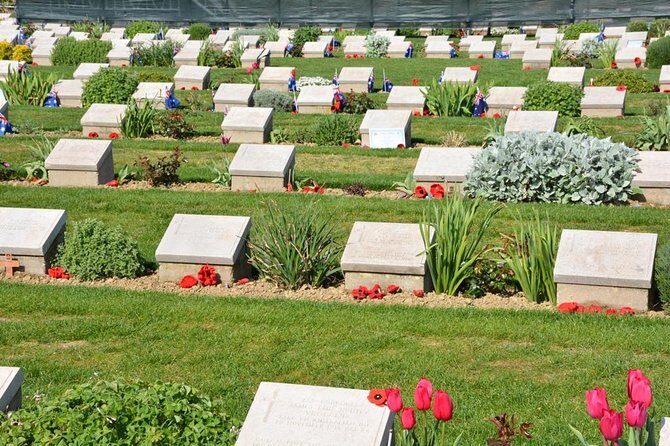
Here’s what makes cemetery stops powerful on this peninsula: they force you to slow down. The names and ages aren’t background. They’re the point. In one experience, seeing graves of young men was described as confronting and sad, and that tone fits what most people feel when they stand in these places.
The guide’s job is crucial here. A good English-speaking guide doesn’t just recite facts. They explain why these cemeteries are where they are and how the memorials relate to the campaign’s phases—so the visit becomes a guided understanding, not a self-guided sadness spiral.
Route highlights you can look forward to include:
- Ari Burnu Cemetery (early landing-area link)
- Nek Cemetery (tied to the ridge fighting)
- Lone Pine Australian Memorial (major ANZAC remembrance focal point)
- Turkish and allied trenches and tunnels referenced as Johnston’s Jolly
- Additional memorials and reference points like the 57th Regiment Turkish Memorial and Chunk Bair New Zealand Memorial
This is also where the tour’s broader context shows up: you learn not only about the fighting, but about the Ottoman Empire’s last days and the role of Mustafa Kemal (Atatürk). For many visitors, that historical context is what turns the memorial sites into a full story rather than a series of separate stops.
What the guide does with the campaign story (Hassan and Bulent are named)
The day is built around a professional English-speaking guide, and the guide quality shows up clearly in the feedback. Names like Hassan and Bulent come up in published feedback, with praise for being respectful, and for explaining battles from both sides.
That balance matters on Gallipoli. A lot of tours treat the topic like it belongs only to one national story. This one is set up so you come away understanding why it’s remembered across nations—Australia, New Zealand, Turkey, and beyond. You’ll also connect the campaign to the origins of ANZAC Day, since Australia and New Zealand created remembrance for their armed forces tied to this conflict.
If you’re the type who likes to ask questions, this is another reason to go on a small-group day. With a maximum of 8 travelers, you’re more likely to get direct answers instead of hearing everything through a wall of other people’s questions.
One more point that I think you’ll appreciate: the guide explanations are meant to match the physical stops. You’re not just learning a timeline in a classroom. You’re getting the explanation while you can still look out at the kind of terrain the story depends on.
Lunch, comfort stops, and what to pack for a 14-hour day
Lunch is included, and there’s air-conditioned transport. That helps a lot, because the biggest challenge of a full-day cross-peninsula trip isn’t the price. It’s the stamina math.
The length listed is about 14 hours, and the day starts at 6:30 am. One published note describes the lunch as basic, and another points out that comfort stops can break up the return drive into meal moments that aren’t always satisfying. Your best move is to plan like the day might be long on waiting and short on variety.
Here’s what you can do to make it smoother:
- Bring a small snack and water for between-meal gaps (even with included lunch)
- Wear layers so you’re not stuck sweating in the morning and shivering later
- Keep a compact rain layer handy, since weather can shift quickly near the coast
- Bring a phone battery or power bank for long transfers (especially if you enjoy reading background on-site)
If you care about audio or personal comfort, a small earbud set can also help, because the guide explanations may compete with bus noise during transit.
On the transportation side, the vehicle is air-conditioned. One comment in the feedback mentioned turning on air conditioning on the mini bus, so don’t be shy about speaking up if the cabin feels too warm.





Price and value at $285: what you’re really paying for
At $285 per person, this isn’t a budget “see it in an hour” day trip. You’re paying for three things that matter on Gallipoli days:
1) Time and logistics
A drive from Istanbul plus a long on-the-ground schedule means someone is coordinating transport and timing so you can focus on the sites.
2) A professional English-speaking guide
For Gallipoli, the difference between a good and a bad day is usually the explanation. The tour is set up to connect specific memorials to what happened, including origins of ANZAC Day and wider Ottoman-era context.
3) Inclusion of lunch and hotel pickup/drop-off
Pickup and drop-off in central Istanbul is part of the package. Lunch is included. That reduces decision fatigue and stops you from losing hours to finding food and getting back to a transit point.
Could the included lunch be basic? Yes. But in a day like this, “included” tends to beat “hungry and improvising at the wrong time.” If you’re going for the memorials and the campaign story—with a guide handling the facts and the tone—this price can feel fair compared with the cost of piecing together transport and a guide yourself.
Who should book this Gallipoli tour—and who might want alternatives
This tour fits best if you:
- care about WWI memorials and battlefield sites around Gallipoli
- want an English-speaking guide who covers the story clearly
- appreciate a small group (max 8) so questions and pacing feel human
- don’t mind a long day that starts early
It’s also a good choice if you’re visiting for remembrance rather than just “must-see history.” The cemeteries and ridge fighting sites are built for honoring, not checking boxes quickly.
You may want to rethink if you:
- hate early mornings and long drives
- need lots of food options beyond basic lunch and comfort stops
- get uncomfortable with heavy emotional content tied to graves and memorial names
That said, the experience is designed so most people can participate. Children must be accompanied by an adult, and smart casual dress is the stated dress code. It’s set up to be accessible in the practical sense—just not “easy” in the energy sense.
Should you book the Full-Day Gallipoli Tour from Istanbul?
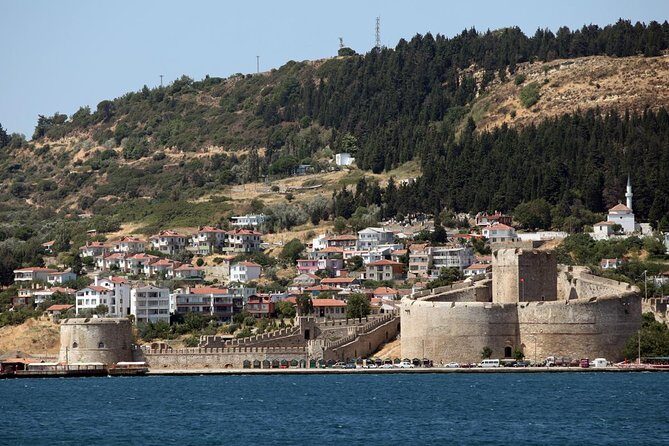
If your goal is a respectful, structured day at the core Gallipoli sites—Cove, The Nek, and major cemeteries—this tour is a strong bet. The small-group size and English-speaking guidance make it easier to understand what you’re seeing, and the included lunch and hotel pickup reduce a lot of friction on a long day.
Book it if you can handle early pickup and you’re comfortable with emotionally heavy stops. Pass or pair with a lighter plan elsewhere if you’re traveling with limited stamina or you’re not ready for cemetery visits and war memorials.
One more practical check before you commit: confirmation and timing depend on booking time, and the tour requires good weather. If conditions are poor, you’ll be offered a different date or a refund, so don’t wait too long to schedule it into your Istanbul days.
FAQ
How long is the Full-Day Gallipoli Tour from Istanbul?
The tour is listed as approximately 14 hours.
What time does pickup start?
Pickup starts with a 6:30 am start time.
Is hotel pickup and drop-off included?
Yes. Hotel pickup and drop-off in central Istanbul is included. If your hotel is outside the city limits, a supplement may apply.
Is the tour offered in English?
Yes, it is offered in English.
What’s included in the tour price?
Included items are a professional English-speaking guide, lunch, hotel pickup and drop-off, and air-conditioned transportation.
Is admission included for the Anzac Cove stop?
The itinerary notes Anzac Cove admission as free (Admission Ticket Free).
What is the cancellation policy?
You can cancel for a full refund up to 24 hours before the experience’s start time. If you cancel less than 24 hours before, the amount paid is not refunded. The tour also requires good weather, and if canceled due to poor weather you’ll be offered another date or a full refund. Free cancellation is available.
If you want, tell me your travel dates and where you’re staying in Istanbul (neighborhood is enough). I can help you plan the timing around this early 6:30 am pickup.